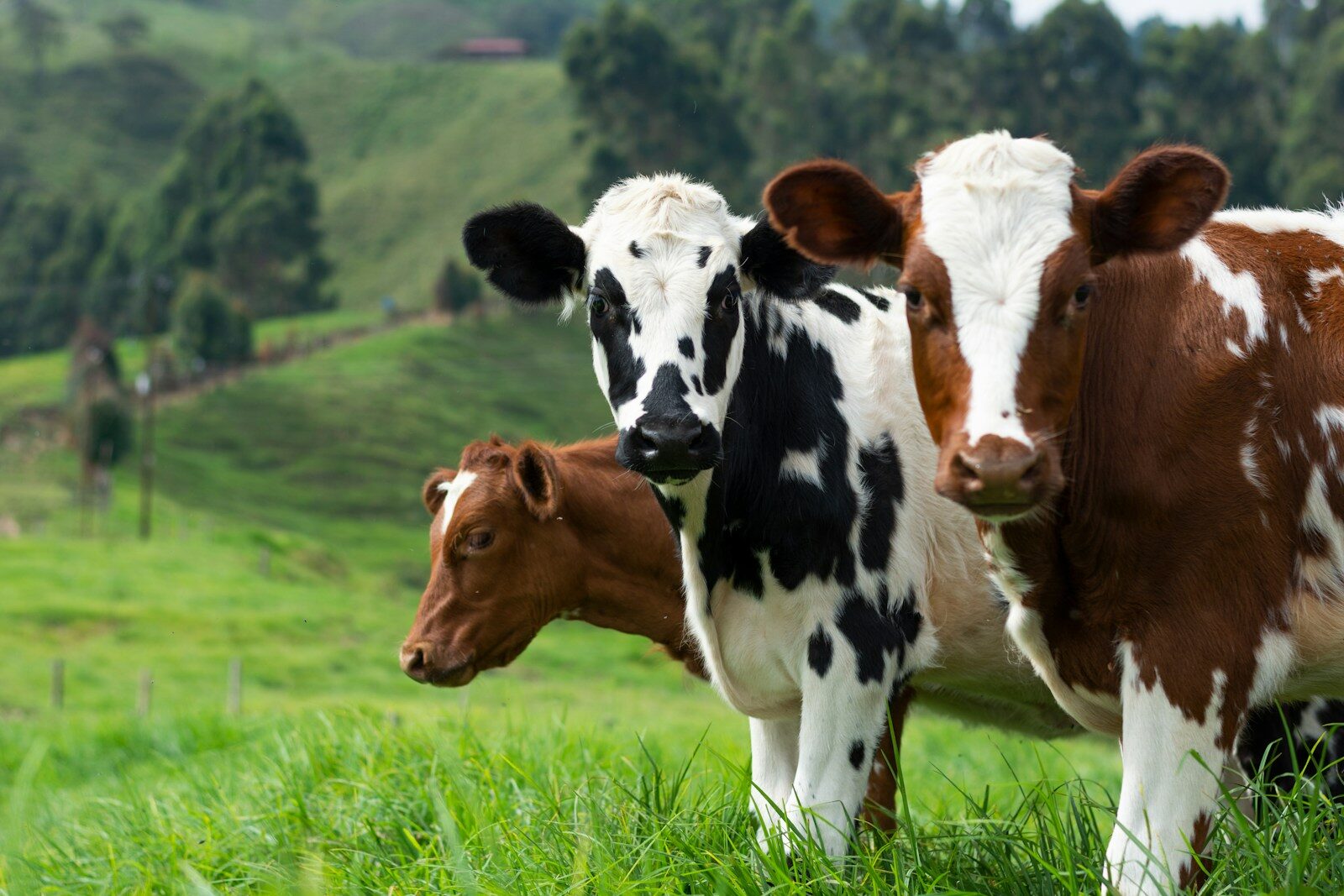
Cows Have Best Friends and Get Stressed When Separated From Them — Dairy Farmers Have Started Pairing Cattle to Boost Milk Output and Welfare
Cows grazing side by side in a pasture aren’t just keeping each other company by chance. These animals form genuine friendships with specific herd members, choosing preferred companions they return to day after day. Research shows that cows experience measurable stress when separated from their chosen friends, with elevated heart rates and increased agitation when their preferred partner isn’t nearby.
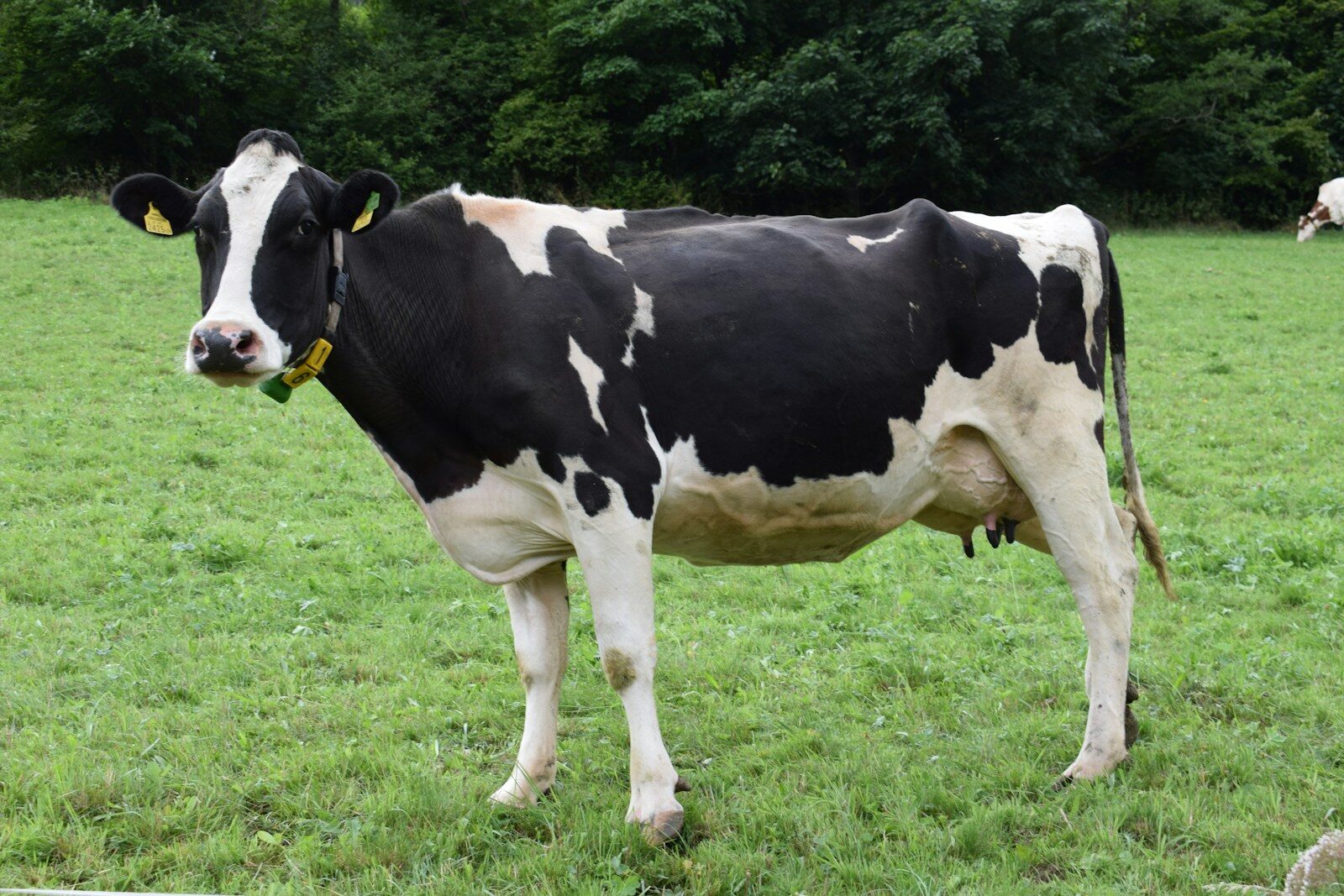
The discovery that cows have best friends and experience emotional distress when separated has prompted changes in how some farmers manage their herds. Modern dairy operations are increasingly recognizing that keeping bonded pairs together can reduce stress and improve overall herd health. These partnerships aren’t random associations but rather selective bonds that cattle actively maintain through grooming, proximity, and consistent interaction.
Understanding the depth of cattle social structures reveals surprising complexity in animals often viewed as simple livestock. The physiological evidence behind these friendships demonstrates that cows need companionship much like other social mammals, with their emotional responses showing up in both behavior and measurable biological markers.
How and Why Cows Form Deep Friendships
Cows develop genuine friendships through recognition, preference, and shared experiences within their herds. These bonds involve specific partner selection and demonstrate clear emotional connections that affect their daily behavior and wellbeing.
Recognition and Social Memory
Cows possess sophisticated cognitive abilities that allow them to recognize and remember individual herd members. They can distinguish between dozens of different cows based on visual cues, vocalizations, and past interactions.
Research shows that cows choose best friends based on shared personality traits and previous positive experiences together. These animals remember which companions made them feel safe during stressful situations and actively seek out those same individuals in the future.
Their social memory extends beyond simple recognition. Cows recall which herd members they’ve had pleasant interactions with and which ones they’d rather avoid. This selective memory shapes their social networks and influences who becomes a close friend versus just a herd mate.
Bonded Pairs in the Herd
Within larger herds, cows form strong social bonds and develop preferences for certain members. These preferred partners function like a built-in safety system during uncertain or stressful situations.
Cows engage in mutual grooming, known as allogrooming, which strengthens their friendships. They have specific partners they prefer to groom and graze beside rather than randomly interacting with any available cow.
Key friendship behaviors include:
- Grazing side by side consistently
- Grooming each other regularly
- Resting in close proximity
- Vocalizing differently when together versus apart
When separated from their best friends, cows display signs of distress including increased heart rate, restlessness, and vocalization. Stressed cows will deliberately seek out calmer herd mates to help them relax.
Mother-Calf Relationships
Mother cows and their calves develop powerful emotional bonds within hours after birth. In natural conditions, the weaning process can take months, giving these relationships time to grow strong and resilient.
When separated too abruptly or early, both mother and calf show clear distress signals. A mother cow will cry out for hours while searching for her separated calf, demonstrating the depth of their connection.
These early bonds lay the foundation for the social skills calves develop as they mature. Young cows learn friendship behaviors and social interaction patterns through their initial relationship with their mothers before extending those skills to other herd members.
The Emotional Lives of Cows
Cows experience a range of emotions beyond simple contentment, displaying behaviors that indicate joy, playfulness, grief, and distress when separated from companions they’ve bonded with.
Signs of Joy and Playfulness
Research into the emotional lives of cows reveals that these animals exhibit clear signs of happiness and excitement. Young calves are particularly prone to jumping, running, and kicking up their heels in sudden bursts of energy that resemble play behavior in other mammals.
Adult cows show contentment through subtle body language. They’ll stand peacefully while ruminating, appearing calm and relaxed when with their preferred companions. When something new appears in their environment, cows display curious yet cautious behavior, stretching their necks and tongues toward the object while maintaining a safe distance.
Some cows even develop playful or mischievous personalities. Farmers have documented individuals who deliberately swing their tails during milking or lead the herd in breaking through fences, suggesting a level of intentionality and even humor in their actions.
Grief and Companionship Loss
When cows are separated from their best friends, they experience measurable stress responses. Studies tracking heart rate and cortisol levels show that cows paired with unfamiliar herdmates display significantly elevated stress markers compared to when they’re with their chosen companions.
The physical manifestations of this separation anxiety are clear. Heart rates rise dramatically when bonded pairs are split up, and behavioral changes become apparent. Separated cows may vocalize more frequently, eat less, and show signs of agitation.
This stress isn’t temporary discomfort—it represents genuine emotional distress that affects their wellbeing. The presence of a preferred companion functions as a stress buffer, helping cows cope with uncertain or uncomfortable situations throughout their daily lives.
Stress Response to Separation
When cows are separated from their preferred companions, they exhibit clear physiological and behavioral changes that indicate distress. These stress responses affect not only the animals’ wellbeing but also their overall health and productivity on dairy farms.
Observable Signs of Stress
Research has found that cows display increased heart rate, restlessness, and vocalization when separated from their best friends. The vocalization patterns are particularly telling—cows sound different when calling for their preferred partners compared to when they’re with them.
Heart rate monitoring reveals measurable differences in stress levels. Studies show that cattle had lower heart rates and stress responses when separated from the herd with a preferred friend versus being paired with a non-preferred partner. This physical evidence demonstrates that the emotional lives of cows are more complex than previously understood.
Physical and Behavioral Changes
The strain manifests in several ways beyond just vocalization and elevated heart rates. Cows become noticeably more agitated and may pace or move around more frequently when their chosen companions aren’t nearby.
Preferred partners appear to function like a built-in safety system—a familiar companion who reliably buffers stress during uncertain or difficult situations. Without this companion, cows lack their usual coping mechanism for handling new or challenging circumstances.
Mental attachment between cattle becomes evident through these behavioral changes. The animals show anxiety and discomfort that goes beyond simple herd mentality, indicating genuine social bonds.
Impact on Productivity
Common sources of stress for cattle include heat, illness, poor nutrition, high milk production, and mental strain. The more strain a cow experiences, the more likely stress will harm its fertility and overall health.
Separation anxiety can disrupt normal eating and resting patterns, which directly affects milk production. When cows are stressed, they may eat less or produce lower quality milk. This has led many dairy farmers to reconsider how they group and manage their herds, keeping preferred pairs together whenever possible to maintain both animal welfare and farm productivity.
Scientific Evidence for Cow Friendships
Research from the past decade has revealed that cows form social bonds and experience measurable stress when separated from preferred companions. Studies measuring physiological responses like heart rate and cortisol levels provide concrete evidence for the emotional lives of cows.
Behavioral Studies and Allogrooming
A 2013 study by Krista Marie McLennan tracked 400 dairy cattle in the UK and found that cows do form social bonds with preferred partners. Younger animals showed the most relationships, while older cattle relied less on social connections.
Researchers observed specific behaviors that indicated preference between certain cows. These included grooming partnerships, feeding proximity, and time spent together. A 2021 study discovered that cows preferred familiar individuals as grooming partners and feeding neighbors, especially after being moved to new groups.
The research revealed something interesting about how these friendships work. A 2025 study showed that while cows didn’t form stable, long-term cliques across entire barns, they did create clusters in specific areas like feeding or resting zones. This means their “best friends” might shift depending on the activity or time of day.
Heart Rate and Cortisol Research
Scientists monitored cattle when separated from their herd with different companions to measure stress responses. Cows showed lower heart rates and reduced stress indicators when near their chosen friends compared to non-preferred partners.
The physiological data was clear. Heart rate measurements and cortisol levels both increased when cows were separated from preferred companions versus when they remained together. These stress markers provided objective evidence that cows have best friends beyond simple herd behavior.
However, a 2024 study found no direct association between social bonds and milk production or somatic cell count. This suggests that while cattle have preferred companions, their health metrics aren’t entirely dependent on maintaining specific friendships.
Farming Practices and Welfare Innovations
Dairy farmers are rethinking traditional cattle management by keeping bonded cows together, leading to measurable improvements in both animal welfare and farm productivity. These changes reflect growing recognition of the emotional lives of cows and their need for social stability.
Pairing Cattle for Better Welfare
Research has shown that cows have best friends and get stressed when separated from their chosen companions. Farmers now actively observe which cows spend the most time together and make efforts to keep these pairs housed in the same pens or grazing areas.
When cows remain with their preferred partners, they experience lower stress levels during routine farm activities like milking or veterinary checks. The companion functions like a built-in safety system that helps buffer anxiety during uncertain situations.
Some farmers have started grouping cattle based on social preferences rather than just age or production stage. This approach requires more careful observation and record-keeping but pays off in calmer, healthier herds. Recognizing these social bonds has become part of a more holistic approach to animal husbandry.
Effects on Milk Yield and Health
Keeping bonded pairs together has produced tangible benefits for farm operations. When farms keep bonded cows together, they reduce stress and improve both animal health and productivity.
Stressed cattle produce less milk and show weaker immune responses to disease. By contrast, cows housed with their friends maintain steadier milk production and require fewer veterinary interventions. The reduction in physiological stress translates directly to better overall herd performance.
Farmers also report that paired cattle adapt more quickly to changes in routine or environment. This resilience makes daily operations smoother and reduces the time staff spend managing anxious animals.
Challenges Faced by Farmers
Implementing friendship-based housing isn’t always straightforward. Farmers need to invest time in observing social dynamics within their herds, which can be difficult on larger operations with hundreds of animals.
Infrastructure presents another obstacle. Barns and milking facilities designed for efficiency may not easily accommodate flexible groupings based on social bonds. Retrofitting existing facilities or designing new ones with social housing in mind requires capital investment.
Some cattle form strong bonds that conflict with production schedules, such as when one cow needs medical isolation or culling decisions affect bonded pairs. Farmers must balance welfare considerations with economic realities, creating ethical dilemmas that don’t have easy answers.
The Role of Social Contact in Reducing Stress
Physical proximity to chosen companions dampens physiological stress responses in cattle, while isolation from preferred partners triggers measurable increases in heart rate and agitation. Farmers are increasingly keeping bonded pairs together during transport and pasture moves to support herd welfare.
Social Buffering and Bovine Well-Being
Contact with a preferred partner activates what researchers call social buffering in cattle. This means a familiar companion literally reduces stress-linked responses during threatening or unfamiliar events.
The difference shows up clearly in measurable ways. Cows separated with a preferred partner during isolation challenges displayed significantly lower heart rates compared to those paired with non-preferred herdmates. They also showed less agitation-type behavior.
The emotional lives of cows involve selective relationships rather than treating all herd members as interchangeable. Their chosen partners function like a built-in safety system during stressful situations. The trusted companion’s presence reduces the overall load of pen changes, veterinary handling, and transport.
Social grooming between preferred partners reinforces these bonds. This intentional behavior clusters within specific relationships rather than spreading evenly across the herd.
Recommendations for Dairy Operations
Keeping familiar partners together during planned disruptions helps minimize stress responses in dairy herds. This applies to pen moves, new routines, veterinary procedures, and short-term separations.
Pair housing of calves provides significant welfare and growth benefits compared to individual housing. Calves raised together show improved performance after weaning and reduced stress responses.
When regrouping becomes unavoidable, reducing reshuffling frequency allows cows to form and maintain stable connections. Small operations can observe which animals consistently pair up and avoid unnecessary breakups during stressful routines. Even large dairies can track grooming patterns to identify preferred partnerships worth preserving.