Octopuses Have Three Hearts and Blue Blood — Two Pump Blood to the Gills While the Third Stops Beating Every Time the Animal Swims
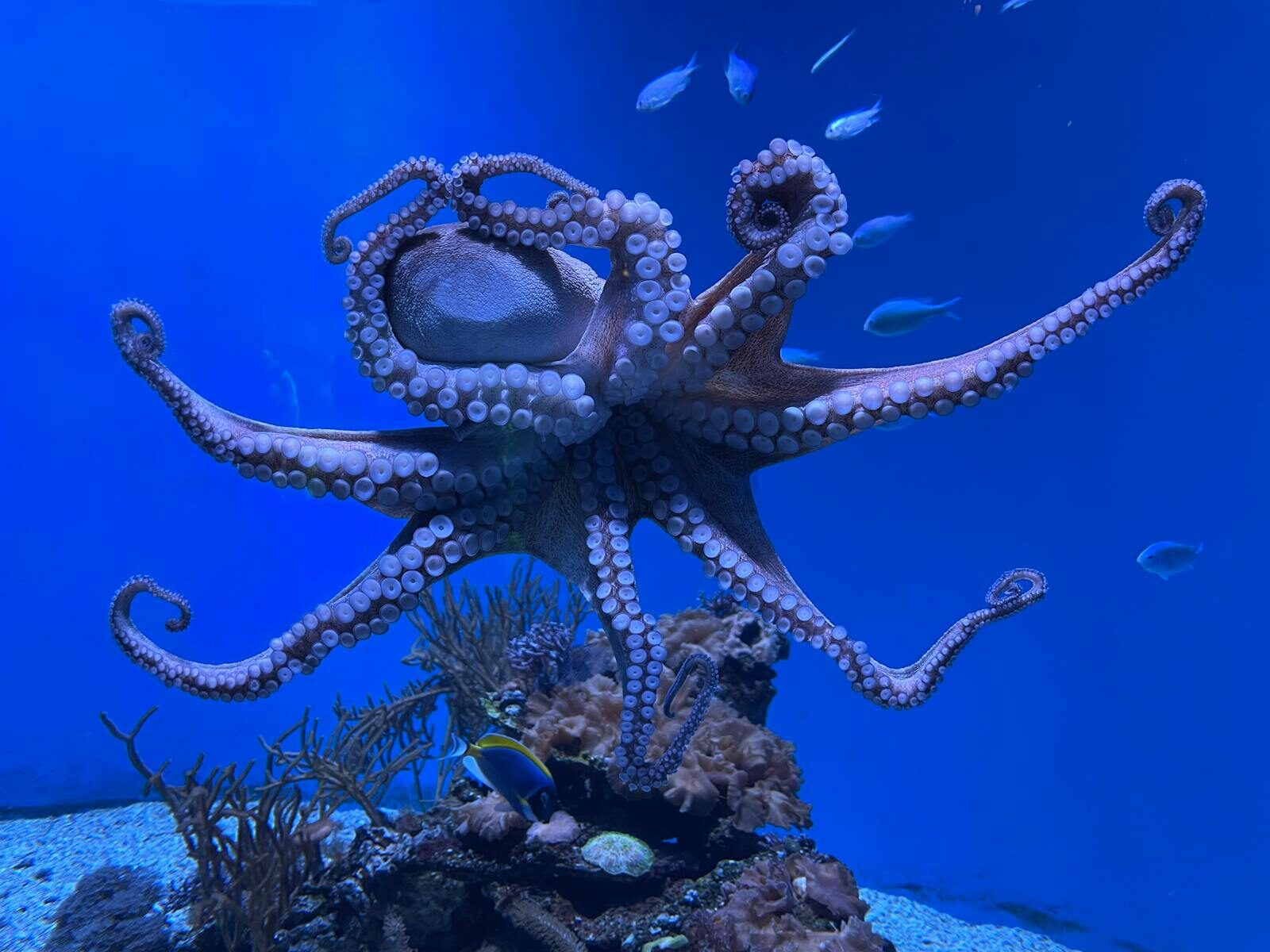
Octopuses are among the ocean’s most unusual creatures, and their anatomy proves it. An octopus has three hearts working in coordination: two branchial hearts pump blood through the gills to pick up oxygen, while one systemic heart circulates oxygenated blood throughout the body. What makes this even stranger is that the systemic heart actually stops beating when the animal swims, which is why octopuses prefer crawling along the ocean floor rather than swimming long distances.
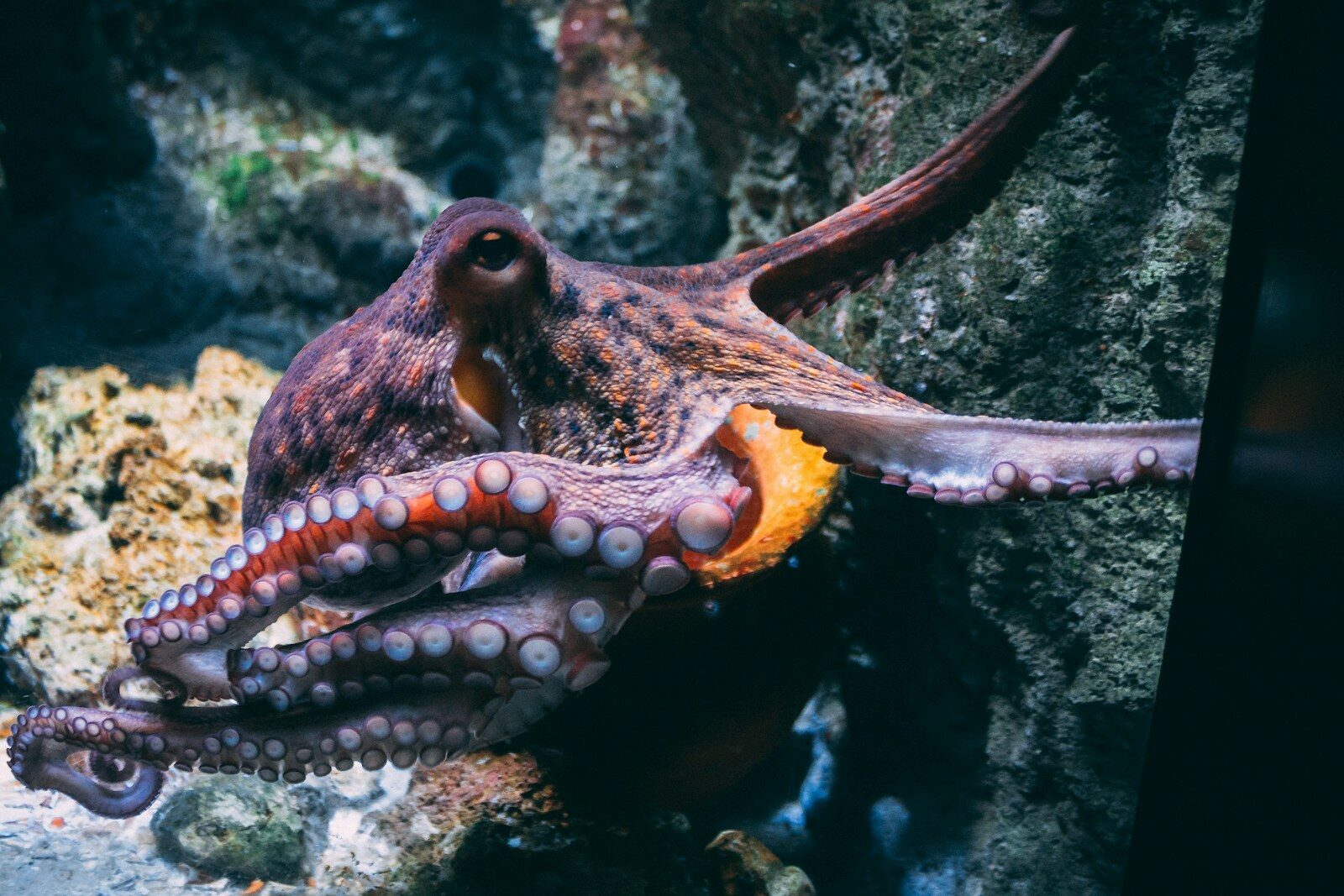
The oddities don’t stop there. Octopuses have blue blood thanks to hemocyanin, a copper-based molecule that transports oxygen instead of the iron-based hemoglobin found in human blood. This unusual circulatory setup isn’t just a quirk of evolution—it’s a sophisticated adaptation that allows these intelligent invertebrates to thrive in challenging marine environments.
From their efficient two-stage pumping system to their remarkable problem-solving abilities, octopuses demonstrate how drastically different body plans can support complex life. Understanding how their hearts, blood, and circulation work together reveals why these eight-armed animals are so well-suited to their underwater world.
How the Octopus Circulatory System Works
The octopus circulatory system relies on three hearts working in coordination to move blood throughout the body. Two branchial hearts handle blood flow to the gills for oxygenation, while the systemic heart distributes oxygen-rich blood to the rest of the animal’s body.
Roles of the Systemic and Branchial Hearts
An octopus has three hearts that facilitate efficient oxygen delivery throughout its eight-armed body. The two branchial hearts are specifically tasked with pumping deoxygenated blood through each of the two gills.
These specialized hearts work exclusively on getting blood to the gills where it can pick up oxygen. Meanwhile, the systemic heart serves as the main pump that circulates oxygenated blood from the gills to the rest of the octopus’s body.
This three-heart setup allows the octopus to maintain efficient circulation despite having blue, copper-based blood that’s less effective at carrying oxygen than the iron-based blood found in vertebrates. Each heart has its own distinct job in keeping the circulatory system running smoothly.
Oxygenated Versus Deoxygenated Blood
The flow of octopus blood follows a clear path through the circulatory system. Deoxygenated blood travels from the body tissues to the branchial hearts, which pump it through the gills.
At the gills, the blood picks up oxygen and becomes oxygenated. The systemic heart then pumps this oxygenated blood to the rest of the body, delivering nutrients and oxygen to all the tissues.
The octopus’s copper-based hemocyanin blood gives it a blue color and requires extra pumping power compared to red blood. This is part of why octopuses evolved their multi-heart system in the first place.
Why Some Hearts Stop When Swimming
The systemic heart stops beating when an octopus swims, which is one reason why swimming is less efficient for these animals than crawling or jet propulsion. This quirk of octopus biology means swimming is actually pretty exhausting for them.
During swimming, the systemic heart pauses while the gill hearts continue supplying blood to the gills. This explains why octopuses prefer to crawl along the ocean floor or use jet propulsion for quick escapes rather than swimming long distances.
The temporary shutdown of the systemic heart during swimming demonstrates why octopuses tend to be relatively sedentary creatures that conserve energy whenever possible.
The Science Behind Blue Blood
Octopuses possess blue blood due to hemocyanin, a copper-based protein that functions far differently from the iron-based hemoglobin found in human blood. This copper compound makes oxygen transport less efficient but offers unique advantages for survival in cold ocean environments.
Hemocyanin Versus Hemoglobin
The fundamental difference between octopus blood and human blood lies in their oxygen-carrying proteins. Humans rely on hemoglobin, an iron-based molecule that binds oxygen and gives blood its red color. Octopuses use hemocyanin instead, which contains copper atoms at its core.
Hemocyanin is only about a quarter as effective as hemoglobin at transporting oxygen throughout the body. This lower efficiency explains why octopuses need three hearts to circulate their blood adequately. The extra pumping power compensates for the protein’s reduced oxygen-carrying capacity.
Despite its inefficiency, hemocyanin works better than hemoglobin in cold, low-oxygen environments. The protein remains stable and functional in the frigid waters where many octopus species live.
Copper-Based Oxygen Transport
The copper atoms in hemocyanin create a distinctive chemical structure that changes color when exposed to oxygen. When copper-based hemocyanin binds with oxygen, it takes on a blue appearance rather than the red associated with iron-rich hemoglobin.
This copper-based blood circulates through a complex pathway. The two branchial hearts pump deoxygenated blood through the gills, where hemocyanin picks up oxygen molecules. The systemic heart then distributes this oxygen-rich blue blood to the rest of the body.
Octopuses extract oxygen from their blood very efficiently out of necessity. Their bodies use nearly all available oxygen before the blood cycles back through the system.
Blood Color and Survival Strategies
The blue coloration of octopus blood results directly from the oxidation of copper within hemocyanin molecules. This visible trait connects to deeper survival adaptations that have evolved over millions of years.
The copper-based system performs particularly well in low-temperature waters where oxygen solubility increases. Many deep-sea octopus species benefit from this advantage in their cold habitats. The protein maintains its structure and function even when temperatures drop significantly.
However, the system comes with trade-offs. The heavier weight and lower efficiency of hemocyanin mean octopuses tire easily during sustained activity. This limitation has shaped their hunting and movement strategies, pushing them toward ambush tactics and crawling rather than swimming long distances.
Adaptations for Low-Oxygen and Deep-Sea Life
Octopuses thrive in challenging marine environments where oxygen is scarce, thanks to their unique three-heart system and copper-based blood. These adaptations allow various octopus species to survive in cold deep-sea habitats and oxygen-depleted waters that would be inhospitable to most other marine animals.
Living in Low-Oxygen Environments
Blue blood is an adaptation that helps octopuses survive in cold and oxygen-poor conditions commonly found in their habitats. Instead of iron-based hemoglobin like humans have, octopuses use a copper-rich protein called haemocyanin to transport oxygen through their bodies.
This haemocyanin gives their blood a distinctive blue color. The protein is dissolved directly in the blood plasma rather than being carried inside blood cells.
In cold conditions with low oxygen levels, haemocyanin transports oxygen more efficiently than the hemoglobin found in vertebrate blood. The blood’s viscosity requires significant pressure to circulate, with blood pressures that can exceed 75 mmHg.
The three-heart system works in tandem with this copper-based blood to maximize oxygen delivery. Two branchial hearts push blood through the gills where it picks up oxygen, while the systemic heart then distributes this oxygenated blood throughout the body.
Deep-Sea and Antarctic Octopus Species
Deep-sea octopus species have evolved specialized adaptations to handle extreme conditions. These creatures live in environments with crushing pressures, near-freezing temperatures, and minimal oxygen availability.
The giant pacific octopus (Enteroctopus dofleini) inhabits cold Pacific waters and can weigh between 22 to 110 pounds with an arm span reaching up to 4.8 meters. This species relies heavily on its efficient circulatory system to function in these frigid conditions.
Antarctic and deep-sea species benefit particularly from the enhanced oxygen-carrying capacity of haemocyanin. When water temperatures drop and oxygen becomes scarce, their copper-based blood outperforms iron-based alternatives.
The closed circulatory system keeps blood confined within vessels, allowing for more precise control over oxygen distribution. This becomes critical in deep-sea environments where energy conservation is essential for survival.
Why Octopuses Have Three Hearts
Why octopuses have three hearts relates directly to their need for efficient oxygen circulation in challenging environments. The systemic heart circulates oxygen-rich blood around the body, while two branchial hearts sit at the base of each gill to push blood through for oxygenation.
This three-heart configuration solves a specific physiological challenge. The viscous, copper-based blood requires substantial pressure to move through the circulatory system effectively.
Each branchial heart focuses on pumping deoxygenated blood through its respective gill. Once the blood becomes oxygen-rich, the systemic heart takes over to distribute it throughout the body.
The system has one notable quirk: the systemic heart becomes inactive when the animal swims. This causes octopuses to lose energy quickly during swimming, which explains why they mostly crawl along the seafloor rather than swim long distances.
Comparisons With Other Cephalopods and Animals
Octopuses share their multi-heart system with other cephalopods, though key differences exist in how these creatures pump blood. The distinction between open and closed circulatory systems separates cephalopods from many other invertebrates and highlights their evolutionary adaptations.
Squid and Nautilus Circulatory Systems
Squid possess the same three-heart configuration as octopuses. Two branchial hearts pump blood through the gills while a single systemic heart circulates oxygenated blood throughout the body.
The nautilus stands apart from its cephalopod cousins with a different setup. This ancient mollusk has only two heart chambers rather than three distinct hearts. Its circulatory system functions differently because the nautilus leads a less active lifestyle compared to the fast-moving squid and octopuses.
Cuttlefish follow the standard three-heart pattern seen in octopuses and squid. All these cephalopods rely on copper-based hemocyanin rather than iron-based hemoglobin, which gives them their characteristic blue blood.
Cephalopods Versus Vertebrates
The three-heart system in most cephalopods contrasts sharply with vertebrate anatomy. Mammals, birds, reptiles, and fish get by with a single heart that handles all blood circulation duties.
Key differences include:
- Number of hearts: Cephalopods have three (or two in nautiluses) versus one in vertebrates
- Blood color: Blue hemocyanin-based blood in cephalopods versus red hemoglobin-based blood in vertebrates
- Oxygen binding: Copper molecules carry oxygen in cephalopods while iron performs this role in vertebrates
Octopuses have a closed circulatory system where blood stays within vessels, similar to vertebrates. This shared feature represents convergent evolution between two very different animal groups.
Open Versus Closed Circulatory Systems
Cephalopods stand out among invertebrates by having closed circulatory systems. In these systems, blood remains confined within vessels and doesn’t directly bathe the organs.
Most other mollusks use open circulatory systems where blood flows freely through body cavities. Clams, snails, and oysters pump hemolymph into spaces around their organs rather than through dedicated blood vessels. This approach works fine for slow-moving creatures but limits athletic performance.
The closed system gives cephalopods a major advantage. It allows for higher blood pressure and more efficient oxygen delivery to muscles. This adaptation supports the active hunting lifestyle of squid and octopuses, though it requires extra hearts to maintain proper circulation pressure through the gills.
Unique Octopus Anatomy and Intelligence
Octopuses possess distributed neural processing across their body, with most neurons located outside the brain in their arms. Their hunting strategies and movement patterns reflect sophisticated energy management, particularly when their systemic heart stops during swimming.
The Mystery of Nine Brains
While octopuses technically have one central brain, they operate more like they have nine distinct processing centers. Two-thirds of an octopus’s neurons are found in its arms rather than in its head, giving each arm semi-autonomous control.
This distributed nervous system allows each arm to taste, touch, and even make decisions independently. An octopus arm can continue to hunt for food and react to stimuli even when severed from the body. The central brain coordinates overall behavior, but the arms handle much of the detailed work on their own.
This setup gives octopuses remarkable problem-solving abilities. They can open jars, navigate mazes, and distinguish between different shapes and patterns. Each arm contains around 40 million neurons, more than some small animals have in their entire bodies.
Ambush Hunting and Movement
Octopus species employ various hunting techniques, with ambush predation being a common strategy across different environments. They hide in crevices or blend into their surroundings using specialized skin cells called chromatophores that change color and texture instantly.
When prey approaches, they strike quickly using their eight arms to grab fish, crustaceans, and mollusks. Some species use their arms to probe into small spaces while keeping their body protected. The arms work independently to feel for prey while the octopus remains camouflaged.
For movement, octopuses have three main options: crawling along the seafloor using their arms, swimming by undulating their arms and body, or jet propulsion through their siphon. Each method serves different purposes depending on the situation and energy requirements.
Energy Conservation Strategies
The octopus’s unusual cardiovascular system directly impacts how it moves. When an octopus swims, its systemic heart stops beating, which makes swimming an energy-intensive and less efficient form of travel.
This is why octopuses prefer crawling or walking along the ocean floor for routine movement. The two gill hearts continue pumping during swimming, but without the systemic heart circulating oxygenated blood throughout the body, the octopus tires quickly.
Jet propulsion offers a middle ground where the gill hearts maintain function while the animal moves rapidly for short bursts. This explains why octopuses typically save swimming for emergencies or brief transitions between hiding spots rather than using it as their primary mode of transportation.