The Sea Pig Is a Pink, Translucent Cousin of the Sea Cucumber That Walks the Ocean Floor on Tube Feet — Thousands Cluster Together in the Abyss
Deep in the ocean’s darkest reaches, thousands of pink, bloated creatures march across the seafloor on inflated legs. Sea pigs are translucent deep-sea animals that belong to the sea cucumber family and use tube feet to walk along the ocean floor, often gathering in enormous herds that can number in the hundreds or thousands. Despite their peculiar name and pig-like appearance, these bizarre animals are actually a type of sea cucumber in the genus Scotoplanes, living at depths where sunlight never penetrates.
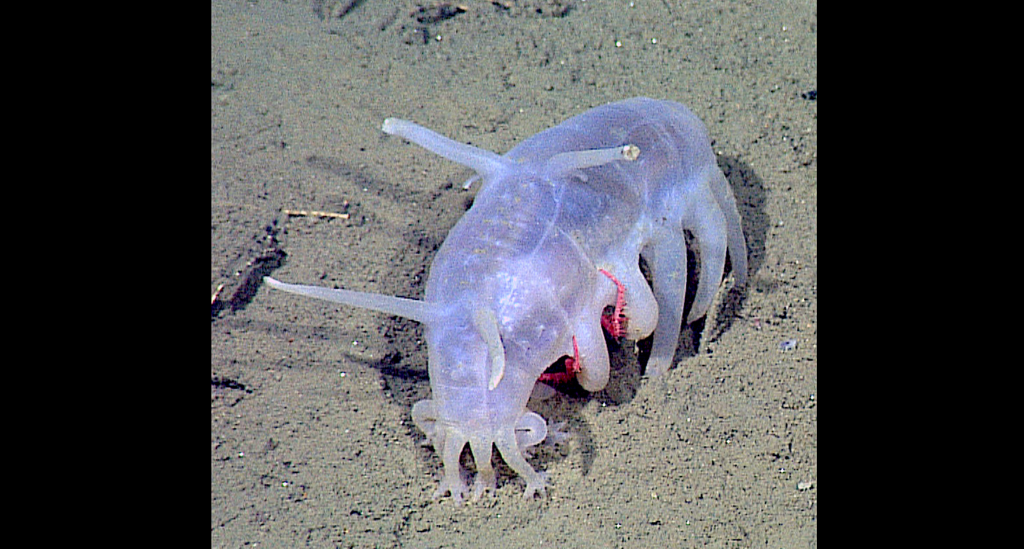
These oddball creatures look like something from another planet with their swollen bodies, multiple pairs of elongated tube feet, and see-through pink skin. Sea pigs are among the most commonly sighted animals on certain parts of the deep seafloor, yet they remain wrapped in mystery. Scientists still puzzle over their behaviors, like why they sometimes carry hitchhiking crabs on their backs or what drives their population changes over time.
From their unusual anatomy to their role as the deep ocean’s cleanup crew, sea pigs reveal just how strange and wonderful life becomes in the abyss. These creatures navigate a world of crushing pressure and total darkness, processing mud for nutrients and forming relationships with other deep-sea dwellers that researchers are only beginning to understand.
Classification and Relatives
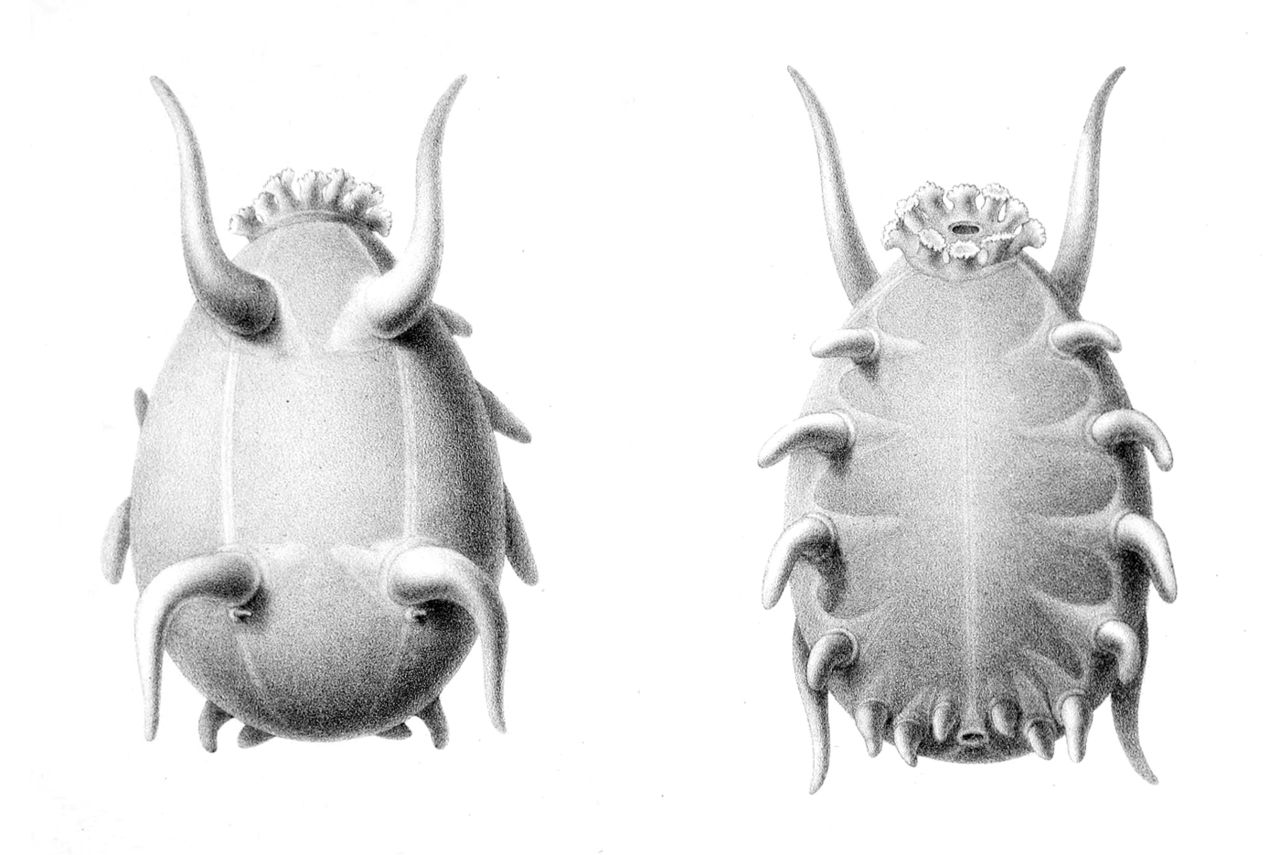
Sea pigs belong to the echinoderm family and represent a specialized group of sea cucumbers adapted for deep-sea life. The most studied species, Scotoplanes globosa, was discovered during a historic 19th-century expedition and shares evolutionary ties with starfish and sea urchins while displaying unique characteristics that set it apart from its shallow-water relatives.
How Sea Pigs Fit Into the Echinoderm Family
Sea pigs are members of the phylum Echinodermata, placing them in the same biological group as starfish, sea urchins, and other familiar ocean creatures. More specifically, they belong to the class Holothuroidea, which encompasses all sea cucumbers.
Within this class, sea pigs are part of the Elpidiidae family, a group of deep-sea holothurians specifically adapted to life on the abyssal plain. The genus Scotoplanes represents these peculiar creatures, with Scotoplanes globosa being one of the most recognized species.
Research indicates that Scotoplanes globosa is most closely related to the genus Peniagone, another group of deep-sea sea cucumbers. Like other echinoderms, sea pigs display radial symmetry in their body plan, though this bilateral appearance is more pronounced than in their spiny-skinned relatives.
Differences Between Sea Pigs and Other Sea Cucumbers
While sea pigs are technically sea cucumbers, they’ve evolved distinct features that make them stand out. The Scotoplanes genus is the only group of holothurians observed to “walk” using tube feet in their characteristic manner, pushing fluid in and out of tube-foot cavities through muscle contractions.
Their translucent, pinkish bodies differ significantly from most sea cucumbers. They possess five to seven pairs of elongated tube-like limbs extending from their bodies, which they use for locomotion along the ocean floor.
Sea pigs measure between 2 to 15 cm in length and are remarkably buoyant compared to other sea cucumbers, making them easily displaced by strong currents. The tube-like structures on top of their bodies are actually feet rather than sensory antennae, though scientists remain uncertain whether these upper appendages assist in walking or serve sensory functions.
Discovery and Scientific History
The discovery of sea pigs traces back to one of marine science’s most ambitious undertakings. Swedish scientist Hjalmar Théel first described these creatures after specimens were collected during the HMS Challenger expedition between 1873 and 1876.
Théel officially described Scotoplanes globosa in 1882, six to nine years after its initial sighting. The H.M.S. Challenger expedition proved instrumental in discovering numerous deep-sea species, including many sea cucumbers that were previously unknown to science.
Since then, sea pigs have been found in some of the ocean’s deepest locations. They’ve been documented in the Kermadec Trench at depths of 6,659 meters and in the Philippine Trench at an astonishing 9,997 meters during the Galathea expedition in the 1950s.
Anatomy and Adaptations
Sea pigs possess unique physical features that enable them to thrive in the extreme conditions of the deep ocean floor. Their bodies showcase specialized structures for locomotion, feeding, defense, and survival in an environment where pressure is immense and food is scarce.
Inflated and Stilt-Like Tube Feet
The most distinctive feature of sea pigs is their elongated tube feet that resemble inflated legs. Unlike most sea cucumbers that keep their stumpy tube feet tucked beneath their bodies, sea pigs use stilt-like tube feet to elevate themselves above the soft sediment of the ocean floor.
These tube feet operate through a hydraulic system powered by water pressure and muscle contractions. The animal pumps water into these appendages, causing them to extend and provide stability on the muddy seafloor. This elevated position prevents the sea pig from sinking into the soft substrate while allowing it to move across the abyssal plain.
Sea pigs typically have six to ten tube feet distributed around their bodies. Some are positioned on the underside for walking, while others are located on the back and around the mouth for different functions.
Tentacles and Dorsal Papillae
Sea pigs have specialized feeding tentacles surrounding their mouth that help them process sediment. These tentacles sweep organic particles into the mouth as the animal crawls along the seafloor, filtering out nutrients from the mud.
On top of the body, sea pigs display prominent dorsal papillae that protrude upward. These papillae are modified tube feet that may serve sensory functions, helping the animal detect chemical cues in the water. The papillae could also aid in respiration by increasing surface area for gas exchange in the oxygen-poor deep sea environment.
The arrangement and number of these papillae can vary between individual sea pigs and may help scientists distinguish between different species within the genus.
Translucent Skin and Defensive Toxins
Sea pigs range from pale pink to nearly translucent, measuring between 4 and 15 centimeters in length. Their see-through bodies result from the lack of pigmentation needed in the perpetually dark abyssal zone where no light penetrates.
The thin, translucent skin allows internal structures to be visible from the outside. This transparency offers no disadvantage since no predators in their natural habitat can see their coloration in the pitch-black depths.
Like other sea cucumbers, sea pigs produce holothurin, a toxic compound that serves as a chemical defense mechanism. This toxin can deter potential predators and may be released when the animal feels threatened, though encounters with predators are relatively rare at abyssal depths.
Respiration and Reproductive Oddities
Sea pigs breathe through a respiratory tree, an internal branching structure that extracts oxygen from seawater. Water is pumped into the cloaca and passes through this tree-like organ, allowing gas exchange to occur even in the low-oxygen conditions of the deep sea.
Their reproductive anatomy is notably simple. Sea pigs possess a single gonad rather than paired reproductive organs. Depending on the individual, this means they have either one testis or one ovary.
This streamlined reproductive system may be an adaptation to the energy-limited environment of the abyss, where resources are scarce and efficiency is critical for survival.
Life in the Deep Ocean
Sea pigs thrive in extreme environments thousands of meters below the surface, inhabiting some of the most remote and inhospitable regions of the world’s oceans. These creatures have adapted to crushing pressures, near-freezing temperatures, and complete darkness across vast stretches of the deep seafloor.
Abyssal Plains and Deep-Sea Habitats
Sea pigs make their home on abyssal plains, the flat, sediment-covered expanses that stretch across the deep ocean floor. These environments exist at depths ranging from 3,300 to 19,500 feet below the surface. The abyssal plain represents one of Earth’s largest habitats, yet remains one of the least explored.
Unlike the vibrant ecosystems found in shallow waters, the deep sea presents a stark landscape. Sunlight never penetrates to these depths, and temperatures hover just above freezing. The seafloor consists primarily of soft mud composed of decomposing organic material that drifts down from above.
Sea pigs crawl across this muddy terrain using their distinctive tube feet. They elevate their bodies above the sediment while searching for food particles. This bathyal sediment plain provides everything these deep-sea sea cucumbers need to survive, despite its seemingly barren appearance.
Range and Global Distribution
Sea pigs live worldwide across all major ocean basins. They inhabit the Atlantic, Pacific, and Indian Ocean, demonstrating remarkable adaptability to different deep-sea environments. Their presence spans from Arctic to Antarctic waters.
These creatures are among the most commonly sighted animals on abyssal plains in many regions. They congregate in areas where food availability is highest, sometimes forming massive groups numbering in the thousands. The global distribution of sea pigs reflects their success as deep-sea deposit feeders.
Scientists have documented sea pig populations at various depths and locations worldwide. Their abundance makes them key players in deep-ocean ecosystems, contributing significantly to the processing of organic material on the seafloor.
Monterey Bay and Notable Deep-Sea Locations
The deep waters off Monterey Bay host substantial sea pig populations that researchers have studied extensively. The Monterey Bay Aquarium Research Institute has observed these creatures for decades at Station M and other deep-sea sites. These observations have revealed important patterns in sea pig behavior and population dynamics.
MBARI scientists found that deep-sea communities can change dramatically and erratically over time at depths around 4,000 meters. Sea pigs gather in huge groups near food sources like sunken whale carcasses. One documented observation showed a sea pig carrying a juvenile king crab at approximately 1,260 meters depth.
Surviving Bathyal and Hadal Depths
Sea pigs inhabit bathyal zones, which extend from 1,000 to 4,000 meters, and venture into even deeper abyssal regions. Some populations exist at depths exceeding 6,000 meters. The pressure at these depths can exceed 600 times the atmospheric pressure at sea level.
Their translucent, gelatinous bodies help them withstand crushing pressures that would destroy most organisms. Sea pigs have no gas-filled spaces that would collapse under pressure. Their bodies consist largely of water, which doesn’t compress.
These adaptations allow sea pigs to thrive where few other animals can survive. While hadal depths in deep-sea trenches represent even more extreme environments, sea pigs primarily occupy the slightly shallower abyssal plains where organic material accumulates more readily.
Feeding Behavior and Ecological Role
Sea pigs play a crucial role as detrital feeders in deep-sea ecosystems, processing sediment to extract organic material while gathering in massive groups at nutrient-rich sites. Their feeding activities influence nutrient cycling across the abyssal plains where they live.
Marine Snow and Detrital Feeding
Sea pigs feed primarily on marine snow, the continuous shower of organic particles that drifts down from surface waters to the ocean floor. They process sediment on the seafloor, extracting decomposing organic material and other nutrient-rich organic particles from the mud.
Using their tube feet, these creatures shovel food into their mouths as they move across the abyssal plain. The modified tube feet surrounding their mouths help them efficiently collect and consume the organic matter they encounter. This feeding method allows them to survive in an environment where food is scarce and unpredictable.
Sea pigs use their stilt-like tube feet to suspend their bodies above the soft mud while feeding. This elevated position may help them access fresher detritus that hasn’t settled deeply into the sediment.
Gatherings at Whale Falls
Huge groups of sea pigs have been spotted congregating near whale falls, the carcasses of dead whales that sink to the ocean floor. These sites represent concentrated sources of nutrition in the otherwise food-poor deep sea.
The gatherings at whale falls demonstrate how deep-sea animals respond to sudden influxes of organic matter. Hundreds or even thousands of sea pigs may cluster together to feast on the decomposing tissue and associated bacteria. Such aggregations highlight their ability to detect and migrate toward nutrient-rich areas across the featureless abyssal plain.
Nutrient Cycling and Benthic Ecosystem Impact
Through their feeding activities, sea pigs contribute significantly to nutrient cycling in deep-sea ecosystems. They break down organic matter and redistribute nutrients across the seafloor, making these materials available to other organisms in the benthic community.
Research in marine ecology has shown that sea pig populations can change dramatically over time, though scientists remain uncertain about what drives these fluctuations. Their abundance makes them important indicators of ecosystem health and change in abyssal environments. The communities they’re part of can shift erratically, reflecting broader patterns in deep-sea food availability and ocean conditions.
Feeding Strategies and Food Preferences
Sea pigs show a clear preference for fresh detritus over older, degraded organic material. They actively seek out recently deposited marine snow and other decomposing matter that still contains substantial nutritional value.
Their feeding behavior involves constantly moving across the seafloor in search of food patches. This strategy helps them locate areas where organic particles have recently accumulated. The fact that they often travel in large herds may also play a role in their feeding efficiency, though the exact advantages of group movement remain under investigation by deep-sea research teams.
Social Life, Symbiosis, and Parasites
Sea pigs don’t live solitary lives in the deep ocean. These creatures gather in large groups and form peculiar relationships with other animals, including hitchhiking crabs that climb aboard for reasons scientists are still trying to understand.
Herding and Group Living
Sea pigs herd across the ocean floor in groups of thousands, moving together like terrestrial livestock across abyssal plains. This grouping behavior is particularly noticeable when food sources become available.
Huge groups have been spotted feasting near sunken whale carcasses, where they congregate to feed on the abundant organic matter. The animals use their tube feet to walk together across the soft sediment, creating an unusual sight in the otherwise sparse deep-sea environment. These gatherings allow sea pigs to take advantage of concentrated food sources that fall to the seafloor.
Juvenile King Crabs and Hitchhikers
One of the most puzzling behaviors involves juvenile king crabs that ride on sea pigs’ backs. The lithodid crab Neolithodes diomedeae has been observed hitchhiking on Scotoplanes without providing any clear benefit to their hosts.
Scientists documented this curious hitchhiker relationship on the dominant animal in deep-sea environments off the California coast. The young crabs perch on the sea pigs as they walk across the abyssal plains, possibly gaining easier access to food particles stirred up by their mobile hosts. Why sea pigs tolerate these passengers remains a mystery.
Symbiotic Interactions and Parasitism
The relationship between sea pigs and king crabs represents a potential case of commensalism, where one organism benefits while the other remains unaffected. However, researchers haven’t ruled out parasitism if the crabs actually harm their hosts.
The symbiosis between Scotoplanes and Neolithodes diomedeae occurs on featureless bathyal sediment plains, making the interaction even more intriguing given the sparse nature of deep-sea habitats. The crabs may use sea pigs as mobile platforms to access better feeding positions or avoid predators. Further research is needed to determine whether this relationship truly benefits both parties or if the crabs exploit their hosts without reciprocation.
Mysteries, Research, and Future Discoveries
Scientists still have many unanswered questions about sea pig biology and behavior, while recent expeditions continue to reveal new species in unexplored ocean regions.
Unsolved Reproduction and Lifespan Puzzles
The reproductive habits of sea pigs remain largely unknown to researchers. Scientists haven’t observed their mating behaviors or documented their full life cycle in the deep ocean environment where they live.
Their lifespan is equally mysterious. Deep-sea animals often live much longer than their shallow-water relatives, but researchers haven’t determined how many years sea pigs survive in the abyss.
One of the most puzzling behaviors involves juvenile king crabs hitchhiking on sea pigs without providing any clear benefit to their hosts. Scientists can’t explain why sea pigs tolerate these passengers or what purpose this relationship serves.
Recent Discoveries and New Species
Marine researchers photographed a hot pink “Barbie pig” sea cucumber during Pacific Ocean expeditions, representing a species previously unknown to science. The creature earned its nickname from its bright coloring and tiny tube feet.
Different genera of sea pigs exist beyond the commonly studied Scotoplanes. Pink sea pigs from the genus Amperima have been observed slowly moving across abyssal plains, using modified tube feet to shovel nutrient-rich sediments into their mouths.
Expeditions to Antarctica’s ocean floor have also documented sea pigs in polar waters, expanding scientists’ understanding of their global distribution.
The Role of Marine Science in Understanding Sea Pigs
MBARI researchers have observed deep-sea animals including sea pigs on the abyssal seafloor for decades. Their long-term monitoring revealed that these communities can change dramatically and erratically over time.
Scientists still don’t understand what drives these population fluctuations. The causes behind sudden shifts in sea pig abundance remain unclear despite extensive research efforts.
Scotoplanes serves as an important subject for studying adaptation to extreme environments. Their success in the deep ocean provides insights into how life thrives under crushing pressure, near-freezing temperatures, and limited food availability.