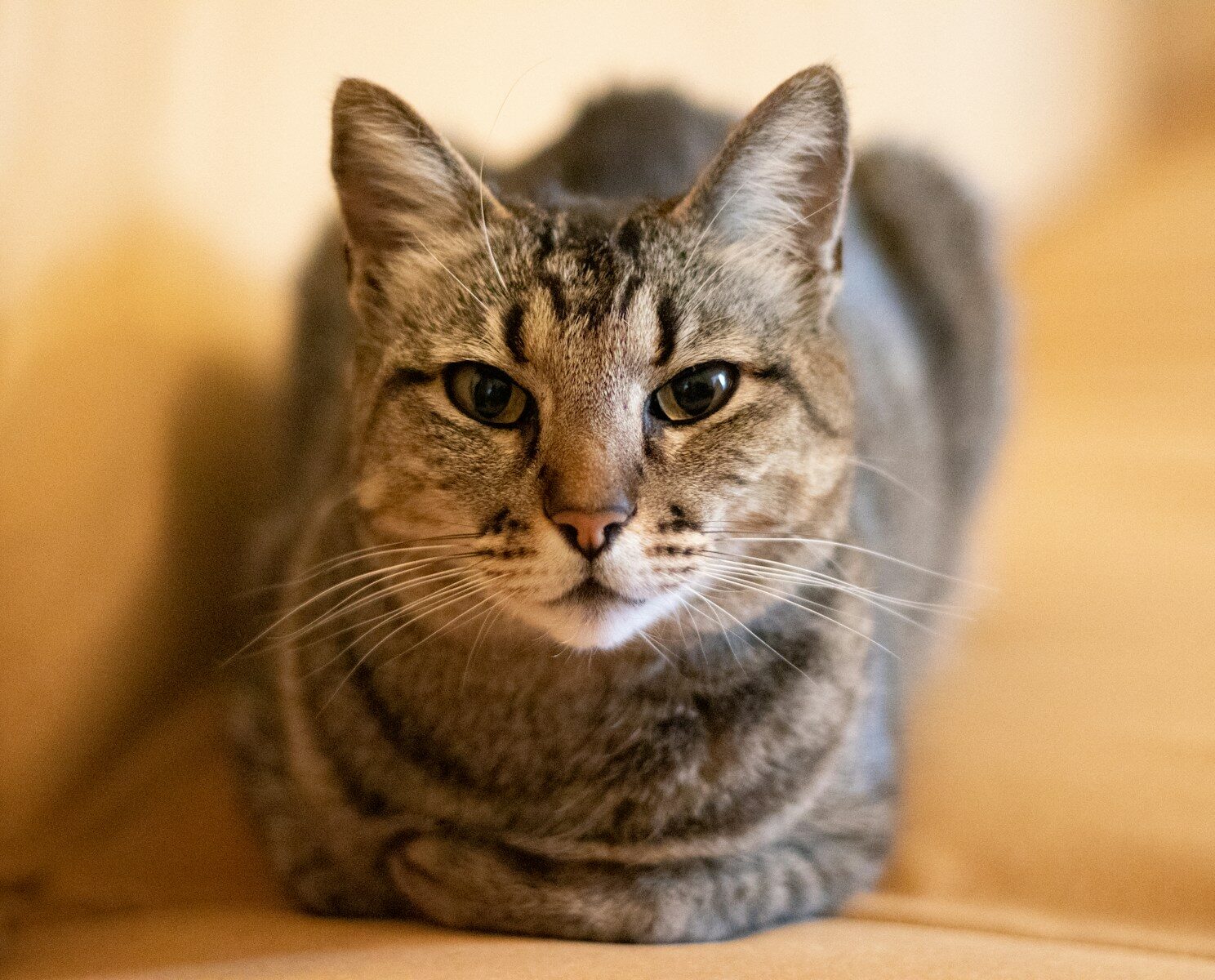
A Bonded Pair of Senior Cats Sat in a Shelter Cage for 3 Years Until a Couple Specifically Asked for “the Hardest Ones to Adopt” — They Went Home That Day
Two senior cats spent more than three years living together in a single shelter cage, watching as younger, single cats found homes while they remained overlooked. Their story changed in an instant when a couple walked into the shelter and made an unusual request—they wanted to adopt the animals that nobody else would take. That same day, the bonded pair left the shelter together and began their new life as a family.
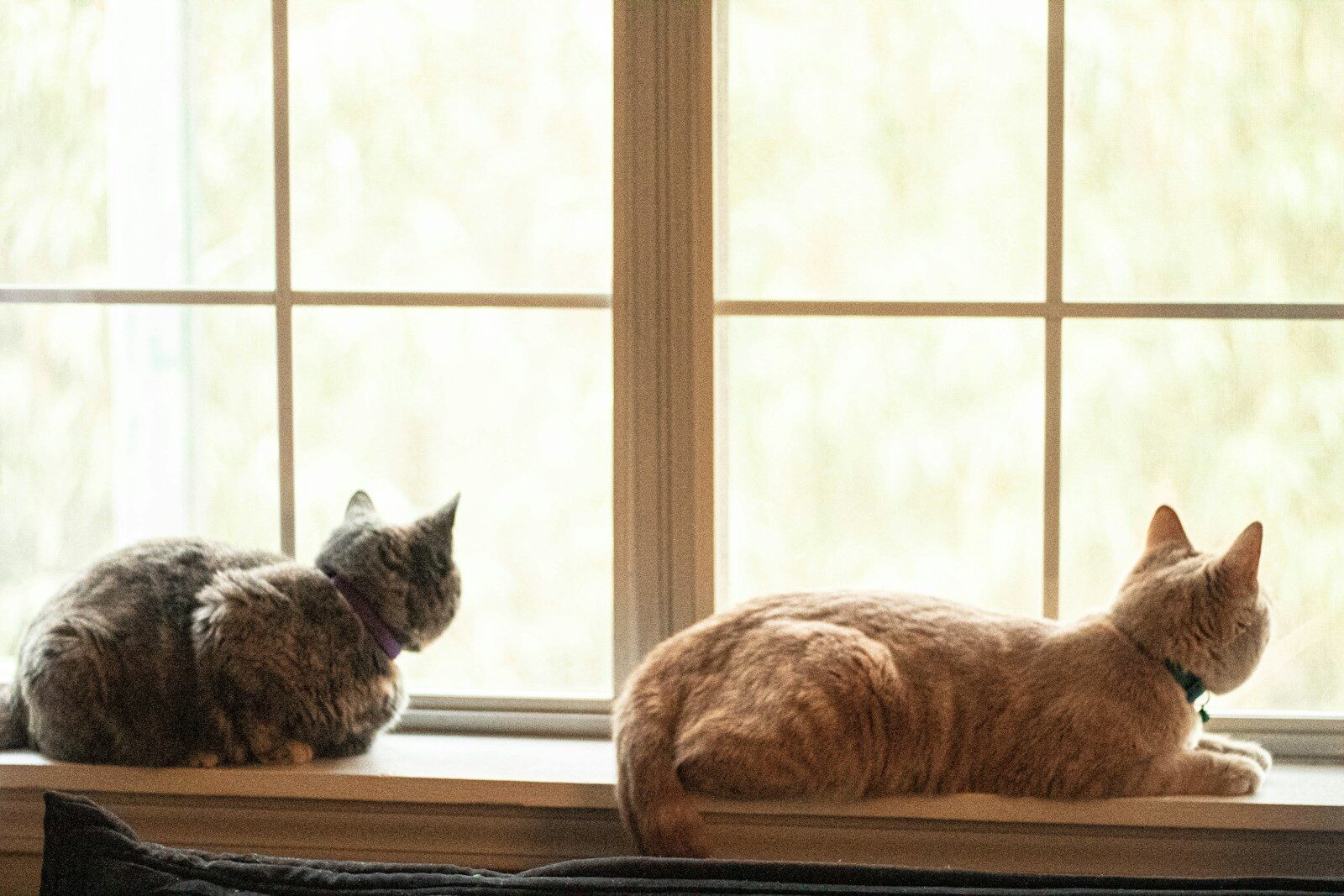
Most people don’t realize that senior cats, especially bonded pairs, face the longest shelter stays and the lowest adoption rates. These two cats beat the odds because someone chose to see their value instead of their challenges. Their transformation from overlooked shelter residents to beloved pets reveals what’s possible when adopters open their hearts to animals that need it most.
The journey from a three-year shelter stay to a forever home highlights why age and companionship matter in adoption decisions. This couple’s choice didn’t just save two cats—it demonstrated how asking for “the hardest ones to adopt” can lead to the most rewarding relationships.
Why Senior Cats Often Wait the Longest
Senior cats face significant adoption challenges that keep them in shelters far longer than their younger counterparts. Most potential adopters walk past older cats in favor of kittens and young adults, leaving senior felines waiting months or even years for homes.
The main barriers to senior cat adoption include:
- Perceived health concerns and potential veterinary expenses
- Shorter time together compared to adopting a younger cat
- Lower energy levels that some people find less entertaining
- Preconceived notions about older cats being set in their ways
When senior cats come as bonded pairs that need to be adopted together, the wait becomes even longer. Many people looking to adopt want just one cat, which means bonded seniors get overlooked twice—once for their age and again for being a package deal.
The financial aspect also plays a role. Adopting two cats means twice the food, litter, and medical bills, which can feel daunting to potential adopters already concerned about senior health issues.
Age-related stigmas persist despite senior cats often being calmer, already litter trained, and past destructive kitten behaviors. They typically adjust well to new homes and form deep bonds with their adopters. Yet shelters report that senior cats, especially bonded pairs, routinely experience the longest shelter stays of any demographic.
The reality is that bonded pairs may be overlooked simply because people are shopping for a single cat, making the combination of advanced age and paired status a double disadvantage in adoption settings.
The Unique Bond Between Paired Cats
Bonded cats share a deep emotional connection that goes beyond typical feline interactions. These pairs rely on each other for comfort, security, and companionship in ways that shape their entire well-being.
What Makes a Bonded Pair
A bonded pair consists of two cats that have formed an inseparable relationship and depend on each other emotionally. These cats often groom one another, sleep curled up together, and follow each other from room to room throughout the day.
Bonded pair cats can be siblings who grew up together, but unrelated cats can also form these tight connections. Sometimes two cats meet in a shelter or foster home and instantly click, developing a friendship that becomes essential to their happiness.
The signs of bonding are clear. These cats share food bowls, beds, and play gently without aggression. When separated, they may cry or show distress until reunited with their companion.
One cat might be shy while the other is confident, with the braver cat helping their friend feel safe in new situations. This emotional support system becomes especially valuable during stressful times like moving to a new home.
Challenges and Joys of Adopting Two Together
Adopting bonded pair cats means taking on twice the veterinary bills, food costs, and litter box maintenance. Potential adopters need enough space for two cats to move around comfortably and the financial capacity to handle unexpected medical expenses for both animals.
Despite these practical considerations, the benefits often outweigh the challenges. Bonded pairs entertain each other through play, which reduces boredom and prevents destructive behavior. They adjust to new homes faster because they have a familiar companion by their side during the transition.
These cats tend to be happier and less anxious than single cats. They provide constant companionship to each other, meaning they’re less likely to become lonely when their humans are away at work. Many cat owners find that caring for bonded cats actually feels easier than managing a single cat who needs all their entertainment and comfort from humans alone.
Life Inside a Shelter Cage
Senior cats spending years in shelter cages face a drastically different existence than home life, with limited space and constant stress affecting both their physical routines and psychological well-being.
Daily Routine for Senior Shelter Cats
Senior cats in shelters typically spend 20-23 hours per day confined to their cages. Their daily routine revolves around scheduled feeding times, usually twice per day, and brief cleaning periods when staff replace litter boxes and wipe down surfaces.
Most shelters allow cats out for supervised playtime or socialization for 30 minutes to an hour daily, though this varies by facility capacity and staffing. During these moments, bonded pairs of cats often stay close together, grooming each other or simply sitting side by side.
The constant noise from barking dogs, other cats, and shelter visitors creates an environment that never truly quiets. Senior cats must eat, sleep, and use the litter box all within a few square feet of space. Many develop stress-related behaviors like over-grooming or becoming withdrawn.
Mental and Emotional Impact of Extended Stays
Extended shelter stays take a serious toll on cats’ mental health, particularly seniors who’ve already experienced the trauma of losing their homes. Cats spending months or years in cages often become depressed, showing decreased interest in food, play, or human interaction.
Senior cats that remain at shelters for extended periods may cling to their bonded companions as their only source of comfort and stability. The lack of mental stimulation and enrichment can lead to cognitive decline in older cats. Some become increasingly fearful or aggressive as a defense mechanism.
Shelter staff notice that long-term residents often lose the personality traits that make them adoptable, creating a difficult cycle where the cats who need homes most become harder to place.
How Compassionate Adopters Change Lives
When adopters specifically seek out animals that face the longest shelter stays, they transform not just individual lives but demonstrate how intentional kindness creates ripple effects throughout rescue communities. These decisions validate the worth of every animal regardless of age or adoptability status.
The Story of the Couple Who Asked for ‘the Hardest Ones to Adopt’
A San Diego couple rescued two 21-year-old bonded cats named Pepa and Meli from a local shelter after their owner passed away. Amanda Smith and her husband had previously adopted Camellia, a 16-year-old blind and deaf cat, when a volunteer reached out about the elderly sisters.
The couple made a four-hour one-way drive to pick up the cats. When they arrived home, they discovered Pepa was emaciated with severe dental problems and matting. Meli exhibited fearful and aggressive behavior at the shelter, which had moved her off the adoption floor.
Within their new home, Pepa transformed into an affectionate companion who greets the family at the door with nose boops. Meli took nearly three months to emerge from hiding but eventually began accepting head scratches. The family feeds them four to six times daily and constantly monitors their health, committed to giving them comfort during their final years instead of dying alone in a shelter cage.
Why Some People Choose Overlooked Pets
Some adopters deliberately seek animals with the lowest adoption chances because they recognize these pets deserve love despite their challenges. Senior bonded pairs are notoriously difficult to place in shelters due to potential health costs and shorter lifespans.
Common reasons adopters choose overlooked pets include:
- Understanding that senior animals offer calm, established personalities
- Wanting to provide end-of-life dignity to abandoned animals
- Having experience with special needs pets
- Feeling called to make a difference for the most vulnerable
Many of these adopters view the inevitable grief as worthwhile. They gain deep fulfillment from knowing they changed an animal’s final chapter from abandonment to belonging.
The Journey to Their New Home
The couple’s request changed everything for the two senior cats who had watched countless other animals leave the shelter. When shelter staff heard someone specifically wanted the hardest cats to adopt, they immediately thought of this bonded pair.
The cats had spent three years in their cage, becoming a familiar fixture at the facility. Bonded pairs take significantly longer to find homes than single animals, and adding senior age to the equation made their situation even more challenging.
What made them “hard to adopt”:
- Both cats were over 10 years old
- They required adoption together as a bonded pair
- Senior cats are among the most overlooked shelter animals
- Potential adopters typically prefer younger, single cats
The staff quickly prepared the paperwork. There was no hesitation from the couple once they learned about these two felines who had relied on each other for comfort throughout their extended shelter stay.
That same day, the cats left the shelter in their carriers, side by side just as they’d been for years. The close emotional attachment bonded cats share meant separating them would have caused serious stress, so keeping them together was essential.
Their three-year wait finally ended. The couple drove them to a home where they’d spend their golden years together, proving that some adopters truly understand the value of giving older animals a second chance.
Life After Adoption for Older Bonded Cats
Senior bonded cats experience significant emotional and behavioral changes when they transition from shelter life to a permanent home, requiring patience as they learn to trust their new environment. Their established bond with each other provides stability during this adjustment period.
Building Trust and Comfort
Older cats who’ve spent years in a shelter need time to decompress and feel safe in their new surroundings. The first few weeks often involve hiding, cautious exploration, and testing boundaries as they process the dramatic change in their environment.
Bonded pairs can adjust more easily to new homes because they bring familiar companionship to an unfamiliar place. Having their trusted friend nearby reduces anxiety and helps both cats feel more secure as they navigate new rooms, sounds, and routines.
Adopters should create quiet spaces where the cats can retreat when overwhelmed. Setting up separate feeding stations, multiple litter boxes, and cozy hiding spots gives senior cats control over their environment. They’ll venture out on their own terms, gradually expanding their comfort zone as trust builds with their new family.
Adapting to a Loving Environment
Senior bonded cats begin showing their true personalities once they realize they’re safe and wanted. Cats who seemed withdrawn in the shelter often become affectionate and playful when given proper space and patience in a home setting.
The transition typically takes several weeks to months depending on each cat’s history and temperament. Cats learn by watching each other, so when one bonded cat starts trusting their adopters, the other usually follows. This mutual encouragement speeds up the adaptation process.
Regular routines help senior cats settle in faster. Feeding at consistent times, maintaining predictable play sessions, and respecting their need for both togetherness and individual attention creates the stability older cats crave after years of uncertainty.