Crows Hold Grudges Against Humans Who Wrong Them and Teach Other Crows to Recognize the Same Face — Researchers in Seattle Documented the Behavior Over Years
Crows are among the most intelligent birds on the planet, and their ability to remember human faces rivals that of many mammals. Research conducted at the University of Washington revealed that crows can hold grudges against individual humans for up to 17 years and actively teach other crows to recognize and avoid the same threatening faces. This isn’t just about a bird remembering someone who shooed it away once or twice—it’s a sophisticated system of social learning that gets passed down through crow communities.
The Seattle study, which began in 2006, showed that crows can recognize threatening humans even when those people weren’t the original ones who wronged them. Researchers wearing specific masks while trapping crows found themselves scolded by dozens of birds who had never even been caught. The knowledge spread through the crow population like wildfire, demonstrating that these corvids don’t just remember—they communicate detailed information about potential dangers to their flock.
What makes this behavior especially fascinating is how it reveals the complex social structures and cognitive abilities of corvids. These birds aren’t simply reacting on instinct. They’re making calculated decisions about who to trust and who to avoid, and they’re ensuring that valuable survival information gets passed along to the next generation.
Seattle’s Landmark Crow Grudge Study
Professor John Marzluff at the University of Washington launched a groundbreaking experiment in 2006 that revealed how crows can hold grudges for up to 17 years. The research demonstrated that American crows not only recognize individual human faces but also share this information across their social networks.
Experiments with Masks and Human Interaction
Marzluff kicked off his study by wearing a threatening caveman mask while trapping seven wild crows on the University of Washington campus. He banded the birds with leg rings before releasing them unharmed.
The researchers then periodically walked around campus wearing the same “dangerous” mask while feeding crows. They also introduced a neutral mask bearing Dick Cheney’s likeness, which volunteers wore while feeding birds without causing distress.
The results were striking. When Marzluff wore the threatening mask, 47 out of 53 crows scolded him aggressively. This was a massive jump from the original seven trapped birds. The crows clearly recognized the threatening human face and responded with hostility.
Meanwhile, people wearing the Cheney mask received no harassment whatsoever. The crows had learned to differentiate between specific faces.
Tracking Behavioral Changes Over the Years
The number of scolding encounters reached their peak in 2013, seven years after the initial trapping. Nearly every crow that spotted the dangerous mask responded with aggressive caws and alarm calls.
But then something interesting happened. The scolding gradually decreased over time as the original crows aged and died. By September 2023—17 years after the experiment began—Marzluff walked the campus in the threatening mask and didn’t receive a single scolding.
This timeline revealed that crow grudges can last nearly two decades. The birds maintained their hostility throughout their lifespans, demonstrating remarkable long-term memory for faces associated with negative experiences.
Passing Knowledge Through Generations
The most fascinating discovery was how knowledge spread among the crow population. Birds that were never trapped personally still learned to recognize and scold the dangerous mask.
Grudge-holding crows pass their anger to family and friends, creating a social transmission of threat information. Young crows learned which humans to avoid simply by observing their parents’ reactions.
This social learning explains why 47 crows eventually scolded the mask when only seven were originally trapped. The research, which appeared in Proceedings of the Royal Society B, showed that animal cognition in corvids includes cultural knowledge transfer. Parent crows essentially taught their offspring to recognize dangerous individuals, creating a multigenerational memory of threats that persisted until the last informed crow died.
How Crows Recognize and Remember Human Faces
Crows possess sophisticated facial recognition abilities that rival those of primates, allowing them to distinguish between individual people for decades. These birds process human features through specialized neural pathways and attach emotional significance to specific faces based on past interactions.
Facial Recognition Skills and Memory
Crows can identify and remember individual human faces for remarkably long periods. Research shows they recognize faces for over 25 years, maintaining detailed mental records of people who have helped or harmed them.
This ability extends beyond simple recognition. Crows differentiate between hundreds of individual faces in their environment, categorizing each person based on threat level and past experiences.
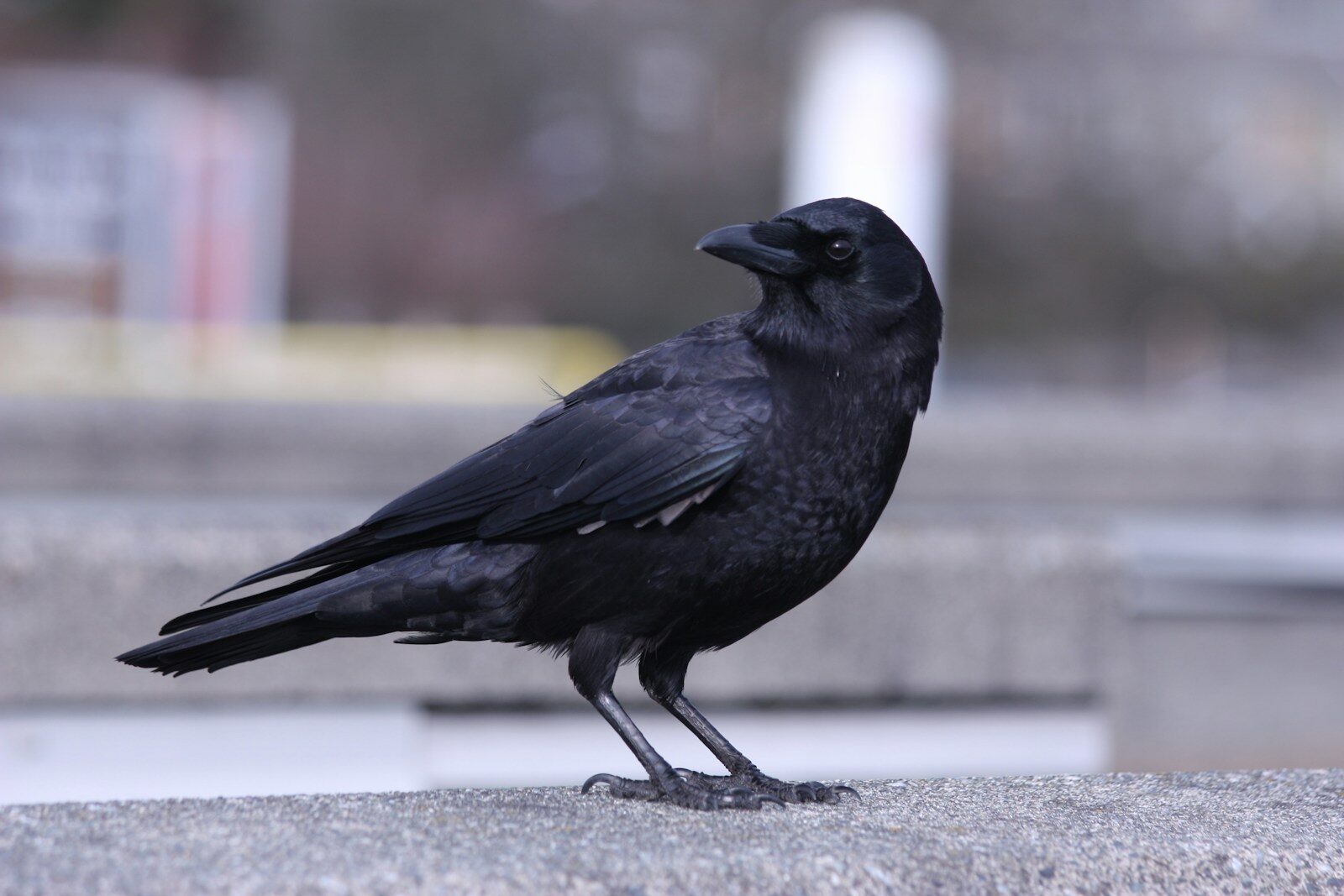
The American crow (Corvus brachyrhynchos) demonstrates this skill consistently across different populations. They pick up on facial features like eye spacing, nose shape, and overall face structure. Even when researchers wear masks, crows remember the specific mask design and react accordingly when they see it again years later.
Their memory doesn’t fade quickly either. Studies tracking crow behavior over multiple decades confirm these birds maintain accurate facial recognition throughout their lifetimes.
Neurological Basis for Face Identification
The crow brain contains specialized regions dedicated to processing visual information about faces. Their nidopallium caudolaterale, analogous to the mammalian prefrontal cortex, handles complex cognitive tasks including face recognition.
Avian cognition research reveals crows possess neural circuits specifically adapted for identifying and storing facial patterns. These pathways allow rapid processing of human features, enabling split-second decisions about whether to approach or avoid a person.
Brain imaging studies demonstrate that crows activate distinct neural patterns when viewing familiar versus unfamiliar faces. The intensity of activation correlates with the emotional significance attached to that person.
Emotional Responses and Associative Learning
Crows don’t just remember faces—they attach feelings and experiences to them. When a person traps or threatens a crow, the bird forms a negative association that triggers defensive behaviors like scolding or dive-bombing upon future encounters.
This associative learning shapes crow behavior powerfully. Biologists explain this helps crows recognize dangerous predators and warn others in their group.
Key emotional responses include:
- Scolding calls directed at threatening individuals
- Dive-bombing attacks on people who previously harmed them
- Avoidance behaviors when spotting dangerous faces
- Relaxed interactions with people who fed or helped them
The emotional component strengthens memory retention, ensuring survival-critical information stays accessible for years.
Teaching and Social Transmission Among Crows
Crows don’t just remember threats on their own—they actively share this information with other members of their group through vocal warnings, direct teaching behaviors, and long-term community knowledge that persists across generations. This social learning demonstrates the sophisticated nature of crow cognition within the corvid family.
Alarm Calls and Group Warnings
When a crow identifies a threatening human, it emits distinct alarm calls that alert nearby crows to the danger. These vocalizations serve as immediate warnings that trigger defensive responses in other birds, even those who’ve never personally encountered the threat. The calls are specific enough that crows can differentiate between levels of danger based on the intensity and pattern of the sounds.
In the University of Washington study, researchers observed that crows who had never been trapped still scolded the person wearing the “dangerous” mask. At one point, 47 out of 53 crows scolded Professor John Marzluff while he wore the threatening mask, despite only seven birds being originally captured. This dramatic increase showed how crows actively teach one another which humans to avoid through immediate vocal communication.
Parental Demonstration and Learning
Adult crows demonstrate threat recognition to their offspring through direct behavioral modeling. When a parent crow encounters a dangerous person, young crows observe both the alarm response and the specific facial features associated with the threat. This observational learning allows juvenile crows to identify threats they’ve never personally experienced.
The teaching process involves parents repeatedly displaying defensive behaviors—such as dive-bombing, scolding calls, and evasive flight patterns—when the threatening individual appears. Young crows then mimic these responses when they encounter the same person, effectively inheriting their parents’ grudges. This method of knowledge transfer showcases crow intelligence that rivals many mammals in complexity.
Community Memory and Cultural Transmission
Crow communities maintain collective memories of threats that extend far beyond individual lifespans. The information about dangerous humans spreads through social networks within the local population, creating what researchers call cultural transmission. This means that crows can hold grudges for up to 17 years, with the knowledge passing from generation to generation.
In the Seattle research, scolding behaviors peaked in 2013 before gradually declining, suggesting that as the original crows and their direct descendants aged out of the population, the transmitted knowledge eventually faded. However, the 17-year duration demonstrates how persistent these community memories can be. Even crows that never witnessed the original trapping event participated in the group response, showing how social transmission of knowledge about threats operates within bird communities.
The Intelligence of the Corvid Family
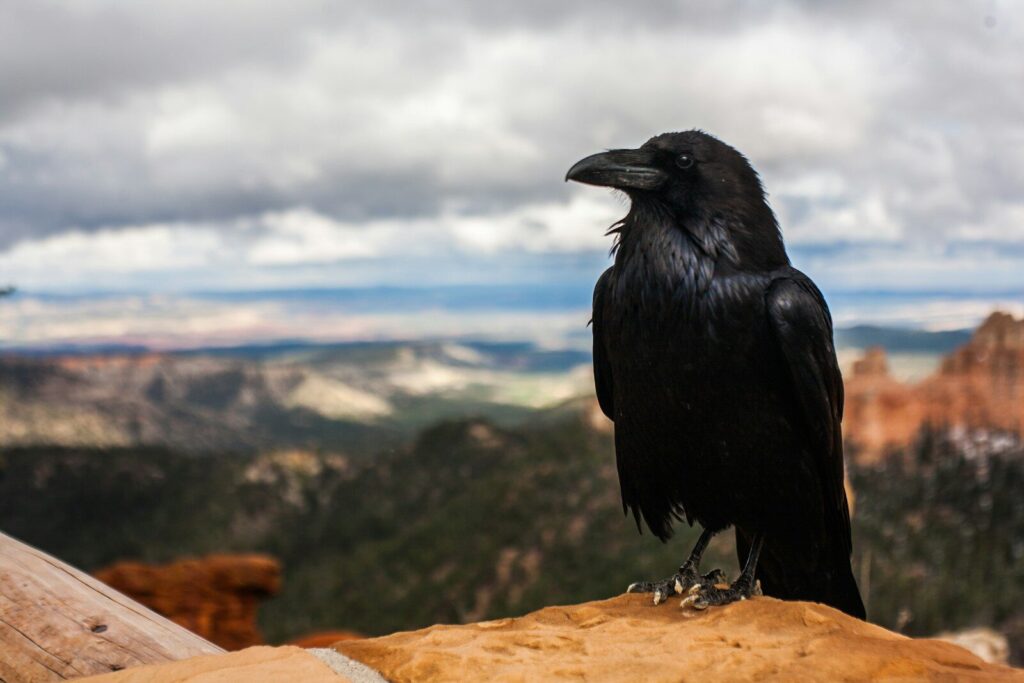
Crows belong to the corvid family, which includes ravens, magpies, and jays—all recognized as members of the avian elite with profound cognitive abilities. These birds demonstrate intelligence through tool creation, social transmission of knowledge, and even counting abilities.
Tool Use and Problem Solving
Crows have mastered the art of using tools in ways that showcase their problem-solving skills. They fashion tools from twigs, forming them into the right shape for specific jobs and creating hooked implements to snag food.
Stories abound of crows dropping nuts onto busy roads and waiting for cars to crack them open before retrieving the food once traffic stops. Some have figured out how to use sticks to extract insects from tree bark. These behaviors aren’t instinctive—they’re learned and adapted based on the situation.
Crows also cache food strategically and will move their hidden stash if another creature sees them hiding it. This demonstrates not just memory but an understanding of deception and perspective-taking.
Social Complexity and Emotional Intelligence
The corvid family displays remarkable social intelligence that rivals many mammals. Ravens and crows hold grudges against each other, perform acrobatics, and even host funerals for deceased family members.
These birds can recognize individual faces within their own species and across species boundaries. They communicate threats throughout their social networks, teaching others which humans or animals pose dangers. Chimps and other great apes demonstrate their intelligence by understanding they can lie to others, but crows hold grudges in ways that few other animals can match.
Corvids show behaviors that surprisingly resemble human societies, displaying both grudges and loyalty depending on how they’re treated.
Comparisons with Other Corvids
While crows get much of the attention in animal intelligence research, other corvids demonstrate similar capabilities. Ravens, the largest members of the family, share the crow’s talent for tool use and social learning. Magpies have passed the mirror self-recognition test, indicating self-awareness.
Jays excel at planning for the future and understanding what other birds know or don’t know. The extraordinary social intelligence of corvids as a family includes all these species—crows, ravens, jays, magpies, and jackdaws. Each species brings its own strengths, but they all share the cognitive toolkit that sets corvids apart in the animal kingdom.
Adaptation and Urban Behavior
Crows have developed distinct behavioral patterns based on their environment, with urban populations displaying notable differences from their rural counterparts in how they interact with humans and exploit city resources.
Urban Crows Versus Rural Crows
Urban crows demonstrate remarkable adaptability to city life that sets them apart from rural populations. These city-dwelling birds have learned to navigate human schedules, traffic patterns, and food sources with precision. They’ve been observed dropping nuts onto busy roads and waiting for vehicles to crack them open before retrieving their meal when traffic lights change.
Key behavioral differences include:
- Food acquisition: Urban crows scavenge from trash bins and outdoor dining areas, while rural crows primarily hunt insects and forage naturally
- Nesting sites: City crows build nests on buildings and artificial structures rather than traditional tree locations
- Social density: Urban populations often form larger, more concentrated groups due to abundant food sources
Rural crows maintain more traditional behaviors and tend to be warier of human contact. Urban crows, by contrast, have grown accustomed to constant human presence and exploit it to their advantage.
Behavioral Flexibility and Survival Strategies
Crow intelligence shines through their ability to modify survival strategies based on environmental demands. These birds can fashion tools from twigs to extract insects from tree bark or create hooks to reach food in difficult spots.
Urban environments have pushed crows to develop sophisticated problem-solving skills. They recognize individual humans who pose threats or provide food, adjusting their behavior accordingly. This flexibility extends to teaching their young which humans to avoid or attack, ensuring survival knowledge passes through generations.
The birds also demonstrate timing awareness, appearing at specific locations when food becomes available. Some urban crows have learned to associate fast-food restaurant schedules with feeding opportunities, showing up precisely when workers dispose of food waste.
Why Grudge-Holding Matters for Crows
This ability to remember threats and share that information provides crows with survival advantages while also creating challenges for people who live and work in areas where these intelligent birds thrive.
Evolutionary Benefits of Memory
Crow memory serves as a critical survival tool that extends far beyond simple recognition. When a crow identifies a threatening human, it can avoid that person for years, reducing the risk of capture or harm.
The social transmission of this knowledge amplifies the benefit exponentially. If one crow learns about a dangerous individual and teaches dozens of others, the entire community gains protection without each bird needing to experience the threat directly.
This form of social learning among crows allows information to spread rapidly through populations. Young crows learn which humans to avoid from their parents and peers, creating a cultural knowledge base that persists across generations.
Key survival advantages include:
- Avoiding repeated encounters with trappers or researchers
- Protecting nest sites from known threats
- Reducing energy spent on unnecessary alarm calls for non-threatening individuals
Implications for Human-Wildlife Relations
The grudge-holding behavior documented in research creates practical challenges for wildlife managers and urban residents. Someone who accidentally disturbs a crow’s nest might face years of harassment, including dive-bombing attacks and aggressive scolding.
In places like Dulwich, London, residents have modified their behavior to avoid crow confrontations, with some choosing to stay indoors during certain times. This demonstrates how crow intelligence directly impacts human activities in shared spaces.
Wildlife rehabilitators and researchers must now consider the long-term consequences of their interactions with crows. A single negative encounter can create lasting hostility that affects not just the individual crow but potentially dozens of birds that learn from it.
Understanding this behavior helps people coexist more peacefully with urban crow populations by avoiding actions that trigger defensive responses.