
Penguins Propose by Offering a Pebble to Their Chosen Mate — Many Species Stay Together for Life and Recognize Each Other by Voice Alone in Huge Colonies
Penguins have developed one of nature’s most charming courtship behaviors in the harsh Antarctic environment. Male penguins in several species present carefully selected pebbles to females as part of their courtship and nest-building rituals, combining romance with practical survival needs. These stones serve a critical purpose beyond symbolic gestures—they help construct nests that protect eggs from the frozen ground.
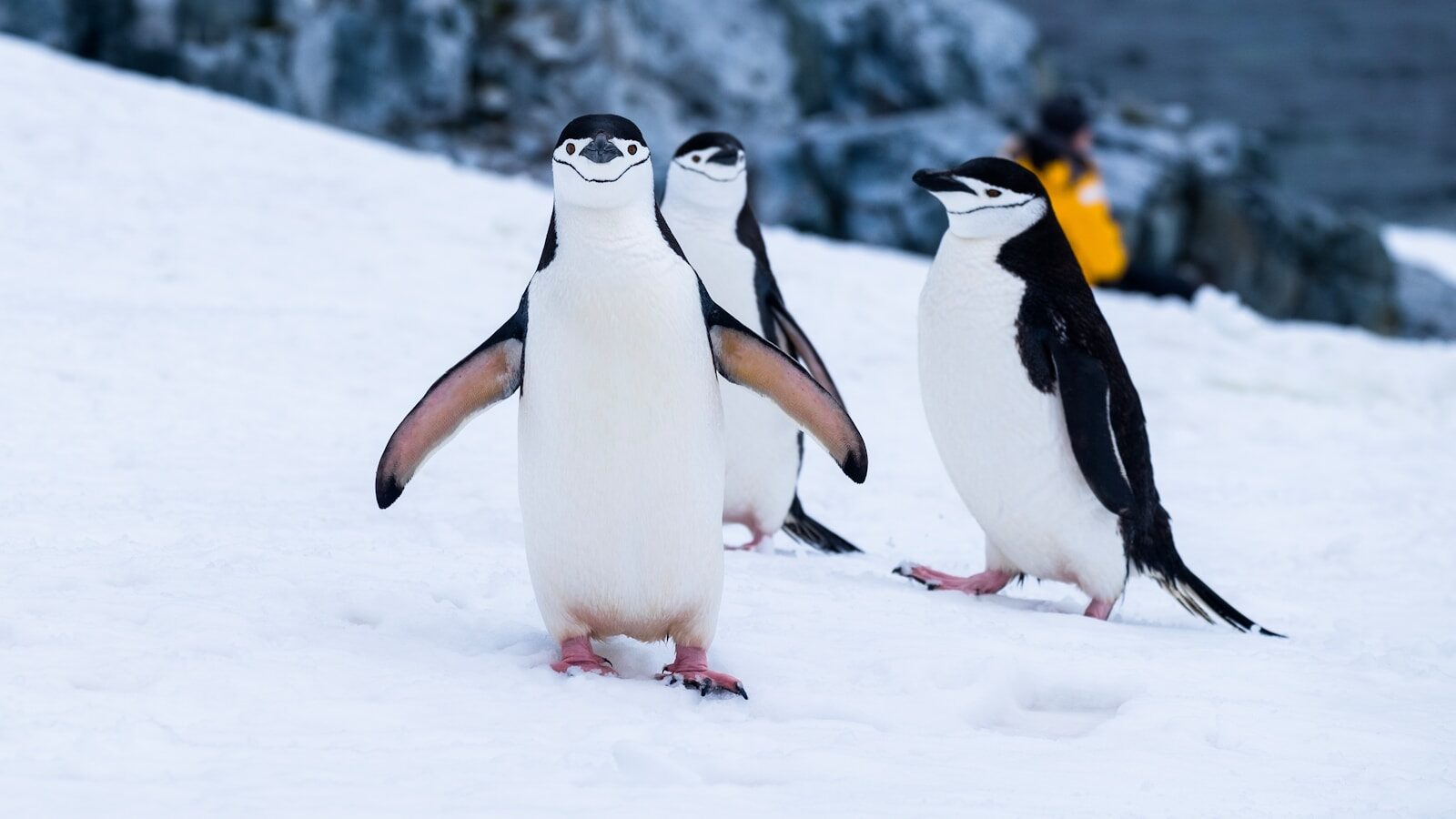
What makes penguin partnerships even more remarkable is their loyalty. Many penguin pairs stay together across multiple breeding seasons, with some species showing divorce rates as low as 15%. In massive colonies containing thousands of birds, mates can identify each other by voice alone, navigating the chaos to reunite season after season.
The pebble offering ritual isn’t just a cute story popularized on the internet. It reflects how these birds have adapted to survive in one of Earth’s most demanding habitats, where nest materials are scarce and every decision impacts the survival of the next generation.
Pebble Presentation: The Heart of Penguin Courtship
Male penguins in several species present pebbles to potential mates as part of their courtship behavior, combining both romantic gesture and practical nest-building necessity. The ritual varies in importance across species, though it remains a fascinating aspect of how these birds form bonds.
Pebble Gifting Ritual Explained
The pebble gifting ritual occurs primarily in Gentoo, Adélie, and Chinstrap penguins, where males search their surroundings for stones to present to females. When a male identifies a potential mate, he picks up a pebble and waddles over to place it at her feet. If she accepts by adding it to her nest site, the pair begins forming their bond.
The presentation often comes with additional behaviors like head bowing, shaking, and vocalizing. These actions strengthen the connection between the two birds. Both partners typically continue bringing pebbles even after pairing up, contributing to nest construction together.
Male penguins don’t necessarily search entire beaches for perfect pebbles, despite popular claims. Some birds do show selectivity in their choices, while others quickly grab stones from neighboring nests. The act of presenting happens fast, especially when stealing from rivals.
Symbolic Versus Practical Purpose
Pebbles serve dual roles in penguin courtship as both bonding gestures and essential building materials. The stones help construct elevated nests that protect eggs from wet ground when snow melts or rain floods the colony. A single gentoo nest can contain up to 1,700 pebbles.
The practical aspect dominates the behavior. Stones keep eggs above water level, making them crucial for breeding success. Without proper elevation, eggs and chicks risk drowning in harsh Antarctic conditions.
However, the timing of pebble exchanges during courtship adds a symbolic dimension. Males arriving first at breeding colonies begin gathering stones before females appear. When females show up, the continued exchange reinforces pair bonds beyond mere construction needs.
Comparisons to Human Proposals
The idea that penguin pebble presentations resemble human engagement proposals has captured popular imagination, though the comparison oversimplifies penguin behavior. While both involve gift-giving during mate selection, penguins don’t evaluate pebbles based on aesthetics the way humans judge diamond rings.
Female penguins prioritize different criteria when choosing mates. They don’t rely heavily on pebble quality during selection. The usefulness of stones for nest-building matters more than any perceived perfection.
The romantic framing reflects human tendency to anthropomorphize animal behavior. Penguins engage in courtship rituals where they bow, preen, and call to each other, learning their partner’s unique voice. These vocalizations prove far more important for long-term pair bonding than any single pebble exchange.
Human proposals involve symbolic commitment separated from practical necessity. Penguin pebbling blends both functions inseparably, making direct comparisons misleading despite surface similarities.
The Species That Gift Pebbles and Their Unique Behaviors
Three main Antarctic penguin species engage in pebble courtship rituals: Adélie, Gentoo, and Chinstrap penguins. Each species displays distinct approaches to collecting, presenting, and using stones during their breeding seasons.
Adélie Penguins: Classic Pebble Proposers
Adélie penguins use pebbles to build nests in the rocky Antarctic regions where they breed. Males search for the best stones to present to potential mates, looking for smooth and well-shaped pebbles that will impress females.
These penguins face a unique challenge during nest building. Pebbles are valuable commodities in their colonies, and not every bird wants to do the hard work of finding them. Some Adélie penguins will steal stones from neighboring nests when the opportunity arises, creating an ongoing cycle of pebble theft and protection.
The male’s initial pebble offering serves dual purposes in Adélie penguin breeding behavior. It demonstrates his commitment to the partnership while providing the first building block for their nest. Females evaluate potential mates partly based on the quality of stones they bring, making pebble selection a crucial part of courtship success.
Gentoo Penguins: Master Nest Builders
Gentoo penguins propose with pebbles in what many observers consider the most deliberate courtship ritual among penguin species. Males carefully select stones and present them to females as gifts that acknowledge their relationship. The Antarctic environment lacks vegetation, so hardy pebbles become the primary nest-building material.
Gentoo penguins mate for life and continuously add pebbles to their nests throughout the breeding season. Both partners participate in gathering stones, strengthening their bond through this shared activity. The accumulated pebbles create elevated nests that protect eggs from flooding and cold ground temperatures.
These penguins show particular attention to stone quality. They prefer smooth, round pebbles over jagged or irregular ones, and males compete to find the most appealing specimens for their partners.
Chinstrap Penguins: Social Dynamics in Colonies
Chinstrap penguins participate in pebble courtship alongside Adélie and Gentoo species, though their colonies operate with distinct social structures. Males present pebbles to females during pair formation, and these stones form the foundation of nests that can contain hundreds of pebbles by season’s end.
Their colonies are densely packed, creating intense competition for quality nesting materials. Chinstrap penguins must balance nest building with defending their territory from neighbors who might attempt to steal their carefully collected stones. Males and females work together to guard their pebble collection while continuing to add new stones.
The pebble-giving behavior reinforces pair bonds in Chinstrap penguin breeding behavior, with partners regularly bringing new stones to each other throughout the nesting period.
Why Pebbles Matter: Nest Construction and Egg Protection
Pebbles serve a critical function beyond courtship rituals in penguin colonies. These stones provide the foundation for nests that keep eggs elevated and dry in one of Earth’s harshest environments.
Building Strong Nests in Harsh Environments
Antarctic penguins face a unique challenge when it comes to nest construction. Unlike birds in warmer climates that can use twigs, leaves, and grass, penguins work with what’s available in their icy habitat.
Gentoo penguins scoop pebbles up in their beaks and carry them to their nesting site. The stones must be carefully selected—typically between 2 and 5 centimeters in diameter so they’re large enough to provide stability but small enough to transport.
Key benefits of pebble nests include:
- Elevation from cold, wet ground
- Drainage channels that allow melting snow and ice to flow through
- Protection from flooding during temperature fluctuations
- Insulation from frozen surfaces
The nests need to be substantial enough to withstand Antarctic winds and precipitation. Penguins continuously add to their nests throughout the breeding season, creating mounds that can contain hundreds of individual stones.
Egg Incubation and Brood Pouch Use
Not all penguin species rely on pebble nests for egg protection. Some have evolved different strategies based on their specific environments and breeding behaviors.
Emperor and king penguins skip nest building entirely. They balance their single egg on their feet and cover it with a warm fold of abdominal skin called the brood pouch. This adaptation allows them to breed on sea ice where pebbles aren’t available.
Species that do use pebbles to build nests gain significant advantages during incubation. The raised platform keeps eggs dry as surrounding ice melts. Wet conditions can quickly lead to egg failure or chick mortality in freezing temperatures.
The stones also help regulate temperature by allowing air circulation beneath the eggs while keeping them off frozen ground.
Pebble Sourcing and Competition
Finding quality pebbles in Antarctica isn’t easy. The scarcity of suitable stones creates intense competition within colonies.
Some penguins turn to theft rather than searching for their own materials. Adélie penguins are particularly notorious for this behavior—they wait until neighbors leave their nests unattended, then quickly steal pebbles. If caught, the thief faces aggressive confrontation from the nest owner.
Pebbles function as currency in these rocky Antarctic regions. The most prized specimens are smooth, well-sized, and structurally sound.
Lucky pairs sometimes discover abandoned nests from previous seasons. They claim these pre-built structures and add their own stones to customize them. This saves considerable time and energy compared to starting from scratch.
The competition for pebbles reflects their genuine importance—without proper nest construction, breeding success drops dramatically in the unforgiving Antarctic climate.
Competition and Strategies in Pebble Gathering
In Antarctica’s harsh environment, pebbles are surprisingly valuable currency for nest-building penguins. The scarcity of suitable stones drives intense competition, leading to both cooperative partnerships and outright theft among colony members.
Pebble Theft in Penguin Colonies
Both gentoo and Adélie penguins will steal pebbles from neighboring nests to boost their own collections and reduce building time. This sneaky behavior happens frequently in crowded colonies where suitable stones are limited.
The penguin criminals don’t always get away with it, though. Nest owners often catch thieves in the act, leading to squabbles and confrontations. Some penguins become repeat offenders, repeatedly targeting the same nests for their prized pebbles.
The theft creates an ongoing cycle where penguins must constantly guard their nests while also searching for new materials. Males are particularly vigilant during the early nest-building phase when attracting a mate depends on having an impressive collection.
Resource Scarcity and Adaptation
Penguins in Antarctica face extreme limitations when it comes to nest-building materials. Unlike birds in warmer regions that have access to twigs, leaves, and grass, Antarctic penguins work with what’s available on frozen beaches.
The pebbles serve a critical function beyond courtship—they elevate eggs and chicks off the cold, wet ground. Nests can reach heights of 20 centimeters and widths of 25 centimeters when completed.
Some penguin species have adapted differently to this scarcity by not using pebbles at all. Emperor penguins balance their eggs on their feet instead, showing how different species develop unique survival strategies for the same environmental challenges.
Cooperation Between Breeding Pairs
Once a female accepts a male’s pebble offering, the breeding pair works together on nest construction. The male continues bringing pebbles to his partner, strengthening their bond while building their future home.
This cooperation proves essential for successful breeding. Both parents contribute to finding and arranging stones, with the female often being selective about which pebbles make it into the final nest structure.
The partnership extends beyond just gathering materials. Pairs will defend their nest together against thieves and may return to the same nest site year after year, making their joint investment worthwhile.
Breeding Season: Pair Bonding and Staying Together for Life
Penguin pairs rely on distinctive vocalizations to locate each other among thousands of birds, with many species maintaining these bonds across multiple breeding seasons through shared parenting responsibilities.
Voice Recognition in Crowded Colonies
Penguins possess remarkable vocal recognition abilities that allow them to identify their mates in colonies containing thousands of birds. Each penguin has a unique call pattern that functions like a vocal fingerprint. When a penguin returns from the ocean, it broadcasts its specific call across the crowded breeding grounds.
The mate responds with its own distinctive vocalization, creating a back-and-forth exchange that guides the returning bird to the exact location of its partner. This system works even in the chaotic environment of massive colonies where hundreds of penguins may be calling simultaneously. Emperor and king penguins rely especially heavily on these vocal signatures since they breed on featureless ice sheets with no visual landmarks to help navigation.
Seasonal Reunion and Mate Faithfulness
Penguin species show varying levels of mate faithfulness depending on their particular breeding patterns and environmental conditions. Adélie and gentoo penguins return to the same partner approximately 89% of the time. Little penguins, chinstrap penguins, and emperor penguins typically stay with the same mate unless one dies.
King penguins take a different approach, with about 70% finding new mates each year. Macaroni penguins also show lower fidelity rates, with 25% selecting different partners between breeding seasons. The penguin breeding timeline influences these patterns significantly.
All species practice seasonal monogamy during the breeding period itself. A breeding pair works together exclusively throughout incubation and chick rearing, even if they don’t reunite the following year.
Chick Rearing and Shared Duties
Both parents in a breeding pair share responsibility for incubating eggs and feeding chicks. They take turns warming the eggs while the other parent travels to the ocean to hunt for fish, krill, and squid.
Emperor penguin males famously balance eggs on their feet for about 64 days during the harsh Antarctic winter while females hunt. After hatching, parents alternate feeding trips, regurgitating partially digested food directly into their chick’s mouth. The non-hunting parent guards the vulnerable chick from predators like skuas and protects it from extreme weather.
This cooperative parenting system requires precise coordination between mates. The returning parent must locate its specific partner through vocal calls to ensure the chick receives food and the waiting parent can finally eat after days or weeks of fasting.
Beyond Pebble Gifting: Modern Insights and Conservation
While the charming image of penguin pebble exchanges captures public imagination, scientific research reveals more nuanced realities about these behaviors and the environmental pressures affecting them. Understanding the difference between romantic interpretation and biological function becomes crucial as climate change alters the Antarctic landscape where these rituals occur.
Anthropomorphism and Scientific Reality
The popular notion that penguins propose with pebbles like humans offer engagement rings oversimplifies complex mating behaviors. Male penguins don’t actually “propose” in any romantic sense. Instead, they engage in practical nest-building activities that happen to involve pebble exchange.
Female penguins use pebble presentation as one of several criteria to assess mate quality. A male who brings suitable stones demonstrates his ability to locate resources and contribute to nest construction. This assessment process has nothing to do with sentimentality and everything to do with survival.
The ritual serves biological functions rather than emotional ones. Pebble-gifting behavior allows females to evaluate potential mates based on their resource-gathering capabilities. Males who consistently find appropriate pebbles—the right size, shape, and material—show they can support offspring survival.
Impact of Environmental Change on Pebble Availability
Climate shifts threaten traditional pebble sourcing areas in Antarctica. Rising temperatures alter coastal zones where penguins typically gather nest materials. Ice melt changes beach compositions and can flood traditional nesting sites, washing away existing pebble collections.
Pebble nests keep eggs and hatchlings dry by allowing melted snow and ice to drain through. Without adequate pebble availability, breeding success drops significantly. Colonies require consistent access to suitable stones for each nesting season.
Increased competition for diminishing pebble supplies intensifies theft between neighboring penguins. This behavior, while common, disrupts colony harmony and forces birds to spend more energy guarding nests. Changes in substrate availability could force some populations to relocate or abandon traditional breeding grounds entirely.
What the Pebble Ritual Tells Us About Penguin Society
Pebble exchange reveals sophisticated social structures within penguin colonies. The behavior demonstrates resource management, mate selection criteria, and property ownership concepts. These birds maintain complex relationships with neighbors while competing for limited materials.
Different species show varied approaches to nest construction. Some penguins build elaborate pebble nests while emperor penguins skip stones entirely and balance eggs on their feet. This diversity illustrates how environmental pressures shape behavioral adaptations across penguin populations.
The ritual also highlights communication importance in crowded colonies. Birds must recognize their partners among thousands of similar-looking individuals while defending nest territories. Pebble exchanges create physical markers that help establish and maintain pair bonds throughout breeding seasons.