A Viral TikTok of a Capybara Sharing a Hot Tub With Ducks and a Cat Just Crossed 80 Million Views — The Japanese Onsen Has a 6-Month Waitlist Now
A heartwarming video of a capybara lounging in a hot tub alongside ducks and a cat has become a social media phenomenon, and capybaras are taking over TikTok with hundreds of millions of views across the platform. The viral TikTok showing a capybara as man’s best friend has surpassed 80 million views, leading to a six-month waitlist at the Japanese onsen featured in the video.
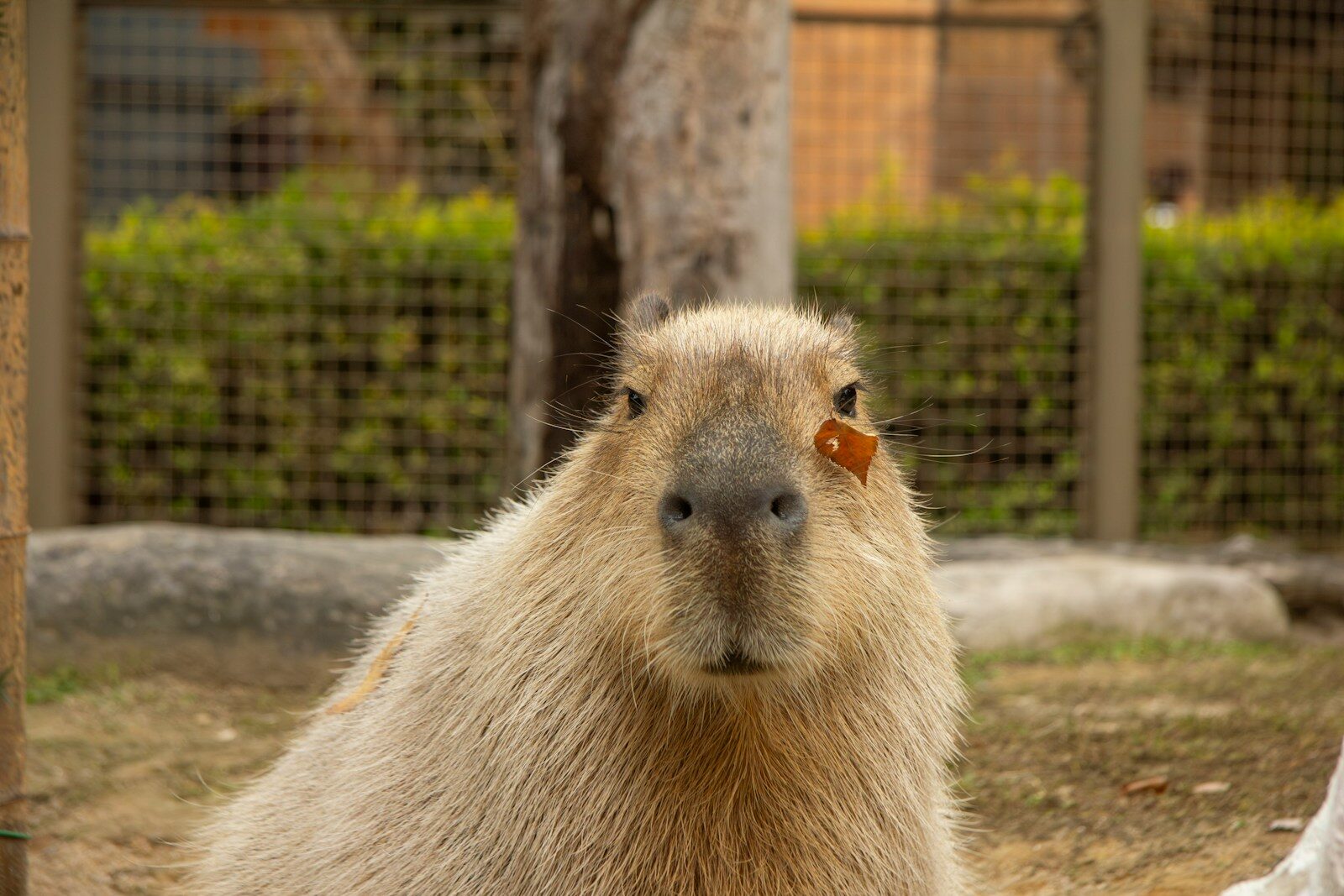
The unlikely animal gathering perfectly captures why these giant rodents have become internet darlings. Their calm demeanor and seemingly zen approach to life translates beautifully on screen, especially when they’re sharing a relaxing soak with other creatures who look just as content.
This viral moment reveals something deeper about our collective fascination with capybaras and their playful antics. From the story behind the footage to the impact on tourism and what makes these animals so universally beloved, there’s more to this hot tub sensation than meets the eye.
The Story Behind the Viral TikTok
The video capturing a capybara lounging in a Japanese hot spring alongside ducks and a cat represents a perfect storm of internet appeal. The footage showcases the gentle nature of these South American rodents while highlighting Japan’s unique culture of animal-friendly onsen experiences.
How the Video Was Created
The viral footage originated from one of Japan’s specialized animal cafés or onsen facilities that allow visitors to interact with capybaras. These establishments have become popular destinations where the world’s largest rodents can enjoy warm water baths, mimicking their natural preference for aquatic environments. The video shows the capybara peacefully sharing the space with other animals, creating an unexpectedly harmonious scene.
Japan has embraced capybara tourism, with facilities offering dedicated hot-spring experiences for these animals. The capybara hot spots include cafés and onsen where visitors can observe or interact with them. These venues carefully monitor water temperature and animal welfare while creating photo-worthy moments that naturally lend themselves to social media sharing. The interspecies interaction captured in the video wasn’t staged but rather documented the genuine calm demeanor these rodents display around other creatures.
Why the Capybara Became a Social Media Star
Capybaras possess physical and behavioral traits that make them ideal for viral content. Their coconut-shaped bodies, mushroom-like ears, and seemingly permanent calm expression create an almost cartoon-like appearance that resonates with viewers. The capybara has become a viral sensation with millions of views across platforms.
The animals’ reputation as gentle giants who befriend other species adds to their appeal. Their semiaquatic nature and social behavior mean they’re comfortable in group settings, whether with their own kind or with other animals. This quality was on full display in the hot tub video, where the capybara appeared completely unbothered by its unusual bath companions.
The timing also mattered. Capybaras became new social media stars during a period when people craved wholesome, calming content online.
Reactions and Popularity Across Platforms
The video exploded across multiple platforms, with TikTok views reaching 80.7 million. Viewers flooded the comments with reactions praising the capybara’s chill energy and the peaceful coexistence of different species. The hashtag #capybaratiktok gained massive traction as users shared similar content.
The viral success extended beyond TikTok to Instagram, YouTube, and other platforms. People created fan art, memes, and tribute videos inspired by the original footage. Some viewers began planning trips to Japan specifically to visit capybara facilities, leading to the current six-month waitlist at popular locations.
The video’s appeal crossed cultural and linguistic barriers. International audiences connected with the simple joy of watching animals peacefully share a warm bath, creating a universal moment of delight that required no translation.
Capybaras and the Japanese Onsen Experience
Japanese hot springs have become an unexpected stage for one of nature’s most relaxed animals. The combination of traditional bathing culture and South America’s largest rodent has created a tourism phenomenon that’s captured millions of views online.
What Makes Japanese Onsens Unique
Japanese onsens are natural hot springs fed by geothermal activity beneath the earth’s surface. The water typically contains minerals like sulfur, calcium, and magnesium that are believed to have therapeutic properties.
Traditional onsens follow specific cultural practices. Visitors must wash thoroughly before entering the communal baths. The facilities often feature outdoor pools called rotenburo where bathers can enjoy mountain or garden views while soaking.
The bathing experience emphasizes quiet contemplation rather than socializing. Water temperatures usually range from 100°F to 108°F, though some pools run hotter or cooler depending on the natural spring source.
Why Capybaras Are Associated With Hot Springs
The capybara onsen tradition started at Izu Shaboten Zoo in 1982 when zookeepers made an accidental discovery. During winter cleaning, staff noticed the capybaras standing in puddles of hot water looking unusually content.
Capybaras are naturally drawn to water since they’re semi-aquatic animals in their native South American habitat. They use water to regulate body temperature and typically spend several hours per day submerged.
The zoo began offering dedicated hot spring baths for their capybaras, and the practice has run annually from November through April since then. Five Japanese zoos now participate in a Capybara Outdoor Bath Agreement to provide these experiences for both animals and visitors.
The Six-Month Waitlist Phenomenon
The viral TikTok video has created unprecedented demand for capybara onsen experiences. Booking systems at participating facilities have become overwhelmed with reservation requests from international visitors.
Izu Shaboten Zoo offers viewing times twice daily on weekends at 10:30 AM and 1:30 PM, with single sessions on weekdays at 1:30 PM. The limited capacity and seasonal schedule from late November through early April restrict how many people can witness the baths.
Social media has amplified interest beyond what the facilities were designed to handle. The six-month waitlist reflects both the seasonal nature of the attraction and the sudden surge in global attention following the viral video’s 80 million views.
Behind the Scenes: Animals in the Video
The viral video features an unlikely trio of animal companions joining the capybara in its therapeutic soak. These creatures have formed bonds that defy typical interspecies boundaries, creating a scene that captivated millions of viewers worldwide.
Meet the Ducks and the Cat
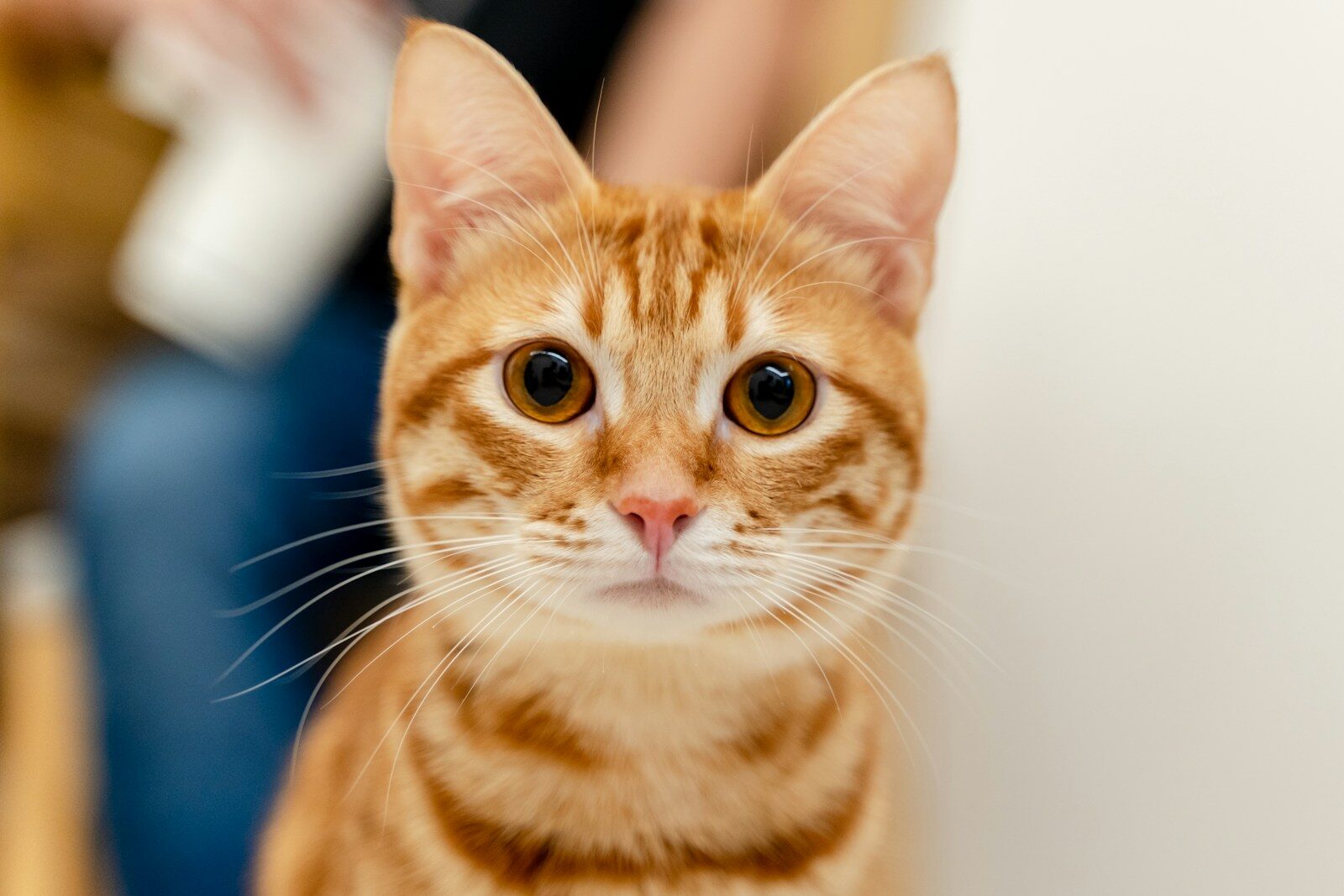
The ducks paddling around the hot tub are domestic Pekin ducks, recognizable by their white feathers and orange bills. They seem completely at ease in the warm water, occasionally dipping their heads below the surface while staying close to their much larger companion. The cat in the video is a Japanese bobtail, a breed known for its shortened tail and friendly temperament.
What makes this trio special is their comfort level around the capybara. The ducks don’t show any fear despite the significant size difference, treating the giant rodent as just another bathmate. The cat perches on the edge of the tub, occasionally reaching a paw toward the water but mostly content to observe the scene.
These aren’t random animals thrown together for views. They all live at the same Japanese onsen facility and have spent months becoming familiar with each other.
How These Animals Interact With Capybaras
Capybaras have become social media stars partly because of their incredibly calm nature around other species. The capybara in the video demonstrates this peaceful temperament, remaining still while the ducks swim around its body and the cat observes from nearby.
These interactions work because capybaras are naturally social animals. In the wild, they live in groups of 10 to 20 individuals and often share space with birds and other creatures near water sources. The rodents rarely show aggression, making them ideal companions for smaller animals.
The ducks benefit from the capybara’s presence by using it as a sort of floating platform. They rest against its body and seem to enjoy the warmth it radiates in the water. The cat’s more cautious approach reflects typical feline behavior, maintaining proximity without full immersion.
Social Media Trends and the Rise of Capybara Content
Capybaras have transformed from relatively unknown South American rodents into viral superstars, with dedicated hashtags accumulating billions of views and fan communities creating endless streams of memes and content celebrating these gentle giants.
Popular Hashtags Like #capybara and #capybarahottub
The capybara’s social media takeover has been tracked through several dominant hashtags. The main #capybara tag has become a massive hub for content, while more specific tags like #capybarahottub have emerged to showcase their love of warm water.
A TikTok song dedicated to capybaras has been used over half a million times, generating hundreds of millions of views. These hashtags have helped creators tap into an audience hungry for wholesome animal content.
Other popular tags include #capybaralove, #capybaranation, and #okigokapibara. The hashtag ecosystem has created a searchable archive of capybara moments, from hot tub sessions to interspecies friendships.
Memes, Fan Accounts, and Community Reactions
The capybara community has exploded with dedicated fan accounts posting daily content across Instagram, TikTok, and YouTube. These accounts curate the best capybara clips, often adding humorous captions that emphasize the animal’s relaxed demeanor.
Memes typically portray capybaras as the ultimate chill creatures, with text overlays about self-care and stress-free living. The capybara has become a symbol of wellness, with content positioning them as masters of relaxation. Reaction videos and comment sections overflow with users expressing their newfound obsession with these animals.
Fan communities have even sparked real-world effects, as UK animal parks report rapidly rising demand to meet capybaras in person.
What Makes Capybaras So Endearing?
Capybaras possess a naturally calm temperament and surprising social flexibility that allows them to form bonds across species lines. Their gentle demeanor and tolerance for close contact make them uniquely suited for viral moments like hot tub sessions with unlikely companions.
Unique Personality Traits
The capybara’s relaxed nature sets it apart from other rodents. These animals rarely show aggression and maintain a zen-like composure even in unusual situations. Their docile temperament means they don’t startle easily or react defensively when approached by unfamiliar animals or humans.
As the world’s largest rodents, capybaras can weigh up to 140 pounds, yet they move slowly and deliberately. They spend much of their time resting or soaking in water, which contributes to their reputation as perpetually chill creatures. This low-energy lifestyle makes them appear approachable rather than threatening.
Their semi-aquatic nature means they’re drawn to water sources like hot springs and pools. They use water for thermoregulation and relaxation, which explains why hot tub videos resonate so well—the capybara genuinely enjoys being there.
Bonding With Other Animals (and Humans)
Capybaras form friendships across species boundaries with remarkable ease. They’ve been documented peacefully coexisting with birds, cats, dogs, monkeys, and even crocodiles in their natural habitats. This unusual social flexibility stems from their herd mentality and non-threatening behavior.
Their tolerance for physical contact allows other animals to perch on them, cuddle beside them, or share their space without conflict. Capybaras are highly social within their own species and extend this gregarious nature to other creatures.
With humans, capybaras often accept gentle petting and feeding. Some cafés in Tokyo allow visitors to interact with them directly, demonstrating their comfort around people. They rarely bite or scratch, making them surprisingly safe for supervised encounters despite their size.
Impact on Tourism and Animal Appreciation
The viral video’s massive reach has created tangible effects on both travel patterns and public interest in capybaras. Japanese animal cafés and onsens featuring these rodents have seen unprecedented demand.
Influence on Japanese Onsen Tourism
The featured onsen now faces a 6-month waitlist as tourists scramble to recreate the viral hot tub experience. Japanese animal cafés have capitalized on capybara’s growing popularity on social media, with facilities offering visitors the chance to sit alongside these animals during their bath time.
This phenomenon mirrors broader trends in wildlife tourism driven by viral content. The explosion in demand has prompted other Japanese establishments to consider adding capybara encounters to their offerings. Hotels and tourist attractions near capybara facilities have reported increased bookings from international visitors specifically requesting proximity to these animal experiences.
The tourism surge presents both opportunities and challenges for animal welfare standards at these facilities.
Growing Global Fascination With Capybaras
Capybaras have accumulated 6.8 billion TikTok views, making them one of the platform’s most-watched animals. A Russian song titled “Capybara” sparked the viral trend, leading millions of users to create content featuring the world’s largest rodent.
The animals’ rounded, vulnerable appearance triggers caregiving impulses in viewers. Their calm demeanor in videos creates a soothing effect that contrasts sharply with typical high-energy pet content. This combination of novelty and tranquility has positioned capybaras as the internet’s latest obsession, overtaking traditional favorites in certain demographics.
The trend has raised concerns among experts about increased demand for exotic pets following viral fame.