
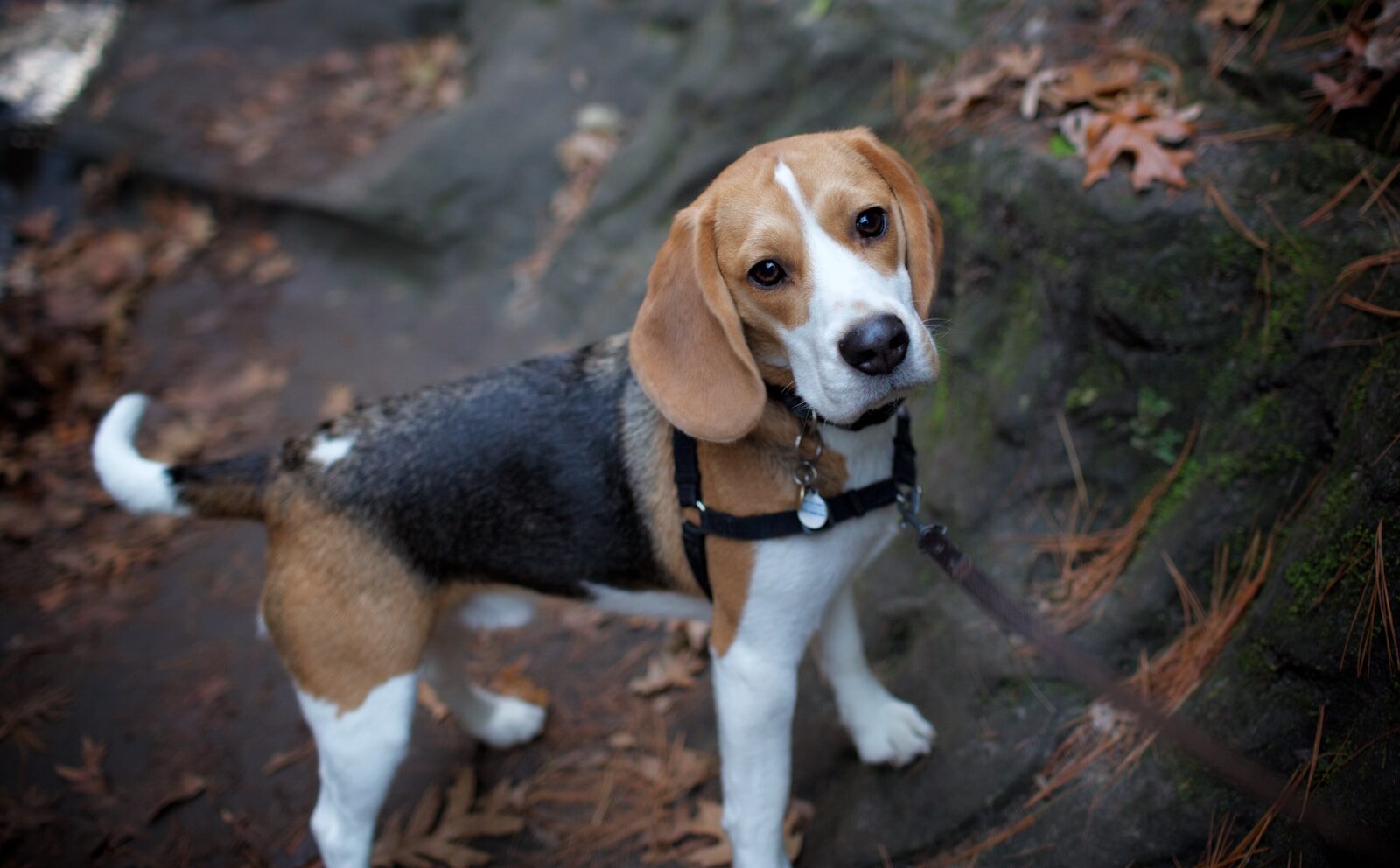
A Beagle in Texas Was Trained to Detect His Owner’s Migraine Auras and Lie Across Her Lap 20 Minutes Before the Pain Hits Every Time
A Beagle in Texas has mastered an extraordinary skill that’s changing his owner’s life. This specially trained dog can detect the onset of migraine auras and position himself across his owner’s lap precisely 20 minutes before the debilitating pain arrives, giving her crucial time to take medication and prepare. His consistent accuracy highlights what researchers have suspected for years: dogs possess sensory abilities that allow them to pick up on chemical and behavioral changes in humans before migraine symptoms become apparent.

For people dealing with chronic migraines, the unpredictability of attacks can be one of the most challenging aspects of the condition. Traditional warning signs like visual disturbances or sensitivity to light don’t always provide enough lead time to intervene effectively. This Texas Beagle’s remarkable talent demonstrates how migraine alert dogs can warn owners up to 48 hours before symptoms appear, though his 20-minute window still offers a practical advantage for immediate response.
The story raises fascinating questions about canine perception and medical detection. How exactly do these dogs sense what’s happening inside their owner’s body? What makes certain breeds particularly suited for this type of alert work? The answers reveal an intersection of biology, training, and the unique bond between humans and their four-legged companions.
How Dogs Sense Migraine Auras
Dogs possess remarkable sensory capabilities that allow them to pick up on chemical and behavioral changes occurring in their owners’ bodies before a migraine fully develops. Their ability to detect these subtle shifts happens through a combination of their superior sense of smell and keen observation of physical changes.
The Science Behind Migraine Detection
Dogs have an extraordinarily powerful sense of smell that ranges from 10,000 to 100,000 times more acute than humans. This exceptional olfactory system enables trained migraine alert dogs to detect chemical changes in human breath and body odor that signal an approaching attack.
Research suggests these canines can identify migraine onset as early as 48 hours before symptoms appear. The dogs likely pick up on volatile organic compounds released through breath, sweat, or skin during the prodrome phase of a migraine.
This early detection window gives migraine sufferers valuable time to take preventive medication or prepare for the attack. The chemical signatures dogs detect remain largely imperceptible to humans, making these animals uniquely qualified as biological early warning systems.
Canine Sensory Abilities and Body Chemistry
Beyond their sense of smell, dogs are highly sensitive to changes in their owner’s physical and emotional state. They can perceive subtle variations in body temperature, blood pressure, and hormonal fluctuations that accompany migraine development.
These physiological changes occur during the prodrome phase, which precedes the more recognizable aura phase. While most migraine sufferers only become alert when they reach the aura phase and experience visual disturbances, trained dogs can detect the onset from the first minutes of the prodrome phase.
The dogs’ constant proximity to their owners allows them to establish a baseline of normal body chemistry and behavior, making deviations more noticeable.
Behavioral and Physical Cues Identified by Dogs
Migraine service dogs pick up on symptoms like fatigue, mood changes, and yawning before owners even notice these signs themselves. The prodrome phase produces very subtle behavioral shifts that untrained individuals might dismiss or overlook entirely.
Common alerts dogs provide include:
- Licking hands or face
- Nudging with their nose
- Barking to gain attention
- Pawing at their owner
- Placing their head on their owner’s lap
Each dog develops unique signaling methods based on their training and natural tendencies. The Beagle’s consistent 20-minute warning and lap-lying behavior demonstrates how reliable these learned responses become with proper reinforcement.
Training Beagles as Migraine Alert Dogs
Beagles possess exceptional scenting abilities and trainable temperaments that make them suitable candidates for migraine detection work. The training process requires selecting a dog with the right natural abilities, implementing structured service dog techniques, and maintaining consistent reinforcement throughout the learning period.
Choosing the Right Dog for Migraine Alerting
Not every beagle will excel at migraine detection work. Some dogs naturally display heightened sensitivity to their owner’s physical changes and emotional states. Prospective handlers should look for beagles that already show attentiveness to their behavior and seem to notice when something feels off.
Migraine service dogs can detect attacks as early as 48 hours before they occur by picking up chemical changes in human breath. Dogs possess a sense of smell 10,000 to 100,000 times better than humans, which enables this detection ability. Beagles, bred specifically for scent work, bring this advantage to migraine alerting tasks.
The dog’s age and temperament matter significantly. Younger dogs typically learn new behaviors more readily, though adult beagles with calm dispositions can also succeed. The beagle should demonstrate focus, eagerness to please, and low reactivity to distractions in public settings.
Service Dog Training Techniques
Training a beagle for migraine alerts starts with capturing the dog’s natural response to pre-migraine indicators. Owners need to collect saliva samples during migraine episodes to use during training sessions. The dog learns to associate specific scents with the reward-based alert behavior.
Key training steps include:
- Teaching basic obedience commands (sit, stay, come)
- Introducing scent discrimination exercises with migraine samples
- Shaping alert behaviors like pawing, licking, or nudging
- Practicing deep pressure therapy for symptom relief
- Training medication retrieval tasks
Professional trainers at organizations can guide the process, though some owners successfully train their dogs independently. Independent training allows customization of alert signals that work best for the handler’s specific needs. The beagle learns to recognize when the owner experiences pre-migraine changes and performs the designated alert behavior.
Consistency and Reinforcement in Dog Training
Successful migraine alert training demands daily practice and immediate reward when the dog correctly identifies pre-migraine signals. Handlers should reinforce desired behaviors with treats, praise, or play within seconds of the alert. This timing helps the beagle connect the action with the positive outcome.
Training sessions work best when kept short—around 10 to 15 minutes—to maintain the dog’s attention and enthusiasm. Multiple brief sessions throughout the day produce better results than one long session. The handler must remain patient, as migraine alert training typically takes several months to a year before the dog performs reliably.
Avoiding punishment is critical. If the beagle makes mistakes or misses an alert, the handler should simply withhold rewards rather than scold. Negative responses can damage the dog’s confidence and willingness to alert. The training environment should feel safe and encouraging for the service animal to develop its skills effectively.
Alerting Behaviors and Owner Response
Alert dogs use specific behaviors to communicate an impending migraine attack, and owners must learn to recognize these signals quickly to take preventative action. The effectiveness of migraine alert dogs depends heavily on the human companion’s ability to identify these cues and respond appropriately.
Common Behaviors Used to Signal Owners
Dogs trained for migraine detection typically employ a range of distinctive behaviors to warn their owners. These alerting behaviors can include close eye contact, circling, pawing, and barking, which are also seen in seizure alert dogs.
Typical alert behaviors include:
- Physical contact: Pawing at the owner, nudging with their nose, or lying across the owner’s lap
- Proximity changes: Following the owner closely or refusing to leave their side
- Vocalizations: Whining, barking, or making other unusual sounds
- Eye contact: Maintaining intense, sustained eye contact with the owner
- Repetitive actions: Circling around the owner or performing a specific trained behavior
Some migraine alert dogs develop their own unique signals that aren’t part of formal training. The Beagle in Texas specifically lies across his owner’s lap as his primary alert method, giving her a consistent 20-minute warning window before pain onset.
Recognizing and Responding to Alerts
The success of a service dog’s alerting ability relies on the owner’s cognitive capacity to notice subtle behavioral changes. Dogs may alert in subtle ways beyond obvious barking or pawing, requiring owners to remain attentive to their companion’s communication style.
Owners need to establish a clear action plan for when they receive an alert. This might include taking prescribed preventative medication, moving to a quiet dark room, or canceling planned activities. The 20-minute warning provided by the Texas Beagle gives his owner enough time to implement migraine management strategies before debilitating symptoms begin.
Building recognition skills takes time and practice. Owners should keep a log of alert behaviors and subsequent migraine episodes to identify patterns and confirm the dog’s accuracy. This documentation also helps refine the owner’s response time and effectiveness.
Customizing Alerts for Migraine Management
Each migraine alert dog develops a personalized communication style based on their owner’s specific needs and the bond they share. Migraine alert dogs are trained to detect changes in body odor, behavior, and demeanor, but the alerting method itself can be customized during training.
Trainers work with owners to select alert behaviors that are:
- Unmistakable: Clear enough that the owner won’t miss or confuse them
- Practical: Appropriate for the owner’s lifestyle and physical abilities
- Consistent: Repeatable in various environments and situations
The lap-lying behavior chosen for the Texas Beagle works particularly well because it physically interrupts the owner’s activities and provides comfort simultaneously. This dual-purpose alert ensures the owner stops what she’s doing and prepares for the approaching migraine symptoms while receiving calming pressure from her dog’s weight.
Owners can request modifications to alert behaviors if the initial training approach isn’t working effectively. The goal is creating a reliable communication system that maximizes the owner’s ability to manage migraine episodes before they become severe.
Emotional and Practical Benefits of Migraine Alert Dogs
Beyond their ability to predict attacks, these specially trained dogs offer profound emotional comfort and enable people with chronic migraines to reclaim control over their daily routines. Their presence creates a sense of security that extends far beyond medical assistance.
Emotional Support and Companionship
Living with unpredictable migraines can feel isolating and anxiety-inducing. A migraine alert dog provides constant companionship that helps reduce the emotional burden of the condition.
These dogs don’t just detect attacks—they offer comfort during painful episodes through techniques like deep pressure therapy. When trained in DPT, the service animal lays across their owner’s body to provide calming pressure and prevent potentially harmful movements during severe symptoms.
The bond between handler and dog creates emotional stability. Knowing a trusted companion is monitoring their condition 24/7 helps reduce the anxiety many migraine sufferers experience about when the next attack might strike. This consistent presence makes a significant difference in managing the psychological aspects of chronic pain.
Improving Independence and Quality of Life
Migraine alert dogs enable their handlers to maintain more active lifestyles without constant fear of being caught off-guard by an attack. The advance warning system—sometimes up to 48 hours before symptoms fully develop—allows time to adjust schedules, take preventive medication, or find a safe location.
These dogs can be trained for multiple practical tasks beyond alerting. They retrieve medication bottles, guide their handler to safe spaces during attacks, and provide balance support when dizziness or visual disturbances occur. Some are even trained to assist if a migraine develops in public places, helping their owner navigate to safety without falling or becoming impaired.
The freedom to work, travel, and socialize becomes more manageable with a reliable early warning system.
Comparisons to Seizure Alert Dogs
Migraine alert dogs function similarly to seizure alert dogs in their detection methods and training approaches. Both types rely on detecting subtle chemical changes in their handler’s scent and picking up on behavioral cues that indicate an impending episode.
Dogs possess a sense of smell 10,000 to 100,000 times more acute than humans, allowing them to detect these minute changes in body chemistry. However, scent cues for migraines can be highly individualized and inconsistent from episode to episode, which means successful migraine alert dogs often combine scent detection with behavioral observation for more reliable alerting.
Like seizure alert dogs, migraine service dogs require extensive bonding time with their handlers. They need to learn their specific person’s unique warning signs to provide accurate alerts.
Considerations for Future Migraine Alert Dog Owners
People interested in getting a migraine alert dog need to evaluate whether this type of service animal fits their lifestyle, understand their legal protections, and know where to find qualified training programs. Costs typically range from $10,000 to $20,000, though some have been found for as low as $1,000.
Assessing Suitability for Migraine Alert Dogs
Anyone considering a migraine service dog should consult with trainers, doctors, and current owners to determine if the benefits justify the investment for their specific circumstances. The severity and frequency of migraine attacks play a major role in this decision.
People with mobility issues during attacks might benefit from larger breeds like Golden Retrievers, Labrador Retrievers, or German Shepherds. Those who primarily need early warning alerts could work well with smaller breeds such as Beagles, Pomeranians, or Cavalier King Charles Spaniels. However, any breed with the right temperament can become a service dog.
Insurance companies generally don’t cover migraine alert dogs. Prospective owners should check with their insurance provider and doctor about possible coverage options. The long-term costs of veterinary care, food, and maintenance also need consideration beyond the initial training expenses.
Legal Rights and Public Access
Service animals trained to perform specific tasks for people with disabilities have legal protections under the Americans with Disabilities Act. Migraine alert dogs qualify as service dogs when they’re trained to detect and alert their handlers about incoming attacks.
These dogs can legally accompany their owners into most public spaces where pets aren’t normally allowed. Businesses can only ask two questions: whether the dog is required because of a disability, and what tasks the dog has been trained to perform. They cannot require documentation or ask about the person’s specific medical condition.
Finding Trainers and Support Resources
Several organizations specialize in training migraine alert dogs, including Assistance Dog Center T.A.R.S.Q., Medical Mutts, Little Angels Service Dogs, and Service Dog Academy. Each program has different approaches, breed specialties, and training methodologies.
Some people choose to train their own dogs, which allows for personalized gestures and cues. This option doesn’t require compliance with an organization’s schedules or fixed training courses. Local veterinarians and humane societies often have information about trainers who work with service animals.
Key considerations when selecting a trainer:
- Experience specifically with migraine alert training
- Breed expertise matching the owner’s needs
- Training methodology and timeline
- Post-training support availability
- Cost structure and payment options
People should visit potential training facilities and speak with graduates of their programs before making a commitment.
Emerging Research and the Future of Migraine Detection
Scientists are investigating how dogs’ sensory abilities contribute to migraine detection, while researchers explore ways this knowledge could transform treatment approaches for people living with chronic migraines.
Recent Studies on Migraine Detection by Dogs
Research into canine sensory abilities for migraine detection has revealed that dogs can identify subtle changes in body chemistry before symptoms appear. Their heightened sense of smell allows them to pick up on physiological shifts that humans cannot detect on their own.
Service dogs can be trained to recognize migraines up to 48 hours before they occur. This extended warning window gives migraine sufferers time to take preventive medication or prepare for an episode.
The accuracy of detection varies based on several factors. A dog’s training quality, the consistency of their owner’s migraine patterns, and their natural ability to sense chemical changes all play a role in how effectively they can alert to incoming attacks.
Potential for Improved Migraine Management
Training programs specifically for migraine alert dogs are becoming more widespread as the medical community recognizes their value. Organizations now offer specialized service dog training that focuses on identifying the early warning signs of migraines.
Early detection through trained dogs enables better migraine management strategies. People with chronic migraines can take medication during the prodrome phase, potentially preventing or reducing the severity of pain. This proactive approach differs significantly from traditional reactive treatment methods.
The bond between a migraine sufferer and their alert dog also provides emotional benefits. Dogs offer companionship during episodes and help reduce stress levels, which can be a trigger for migraines in many individuals.