A Parrot That Outlived Its Owner Was Adopted by a Daughter Who Started Hearing Her Late Mom’s Exact Phrases Repeated Around the House Every Morning
Parrots can live for decades, and when they outlive their owners, these intelligent birds carry forward more than just feathers and squawks. When a parrot is adopted after its owner passes away, it often continues repeating phrases, voices, and even the exact tone of its previous companion, creating an eerie yet comforting presence for grieving family members. For one daughter who took in her late mother’s parrot, mornings became filled with her mom’s familiar words echoing through the house.
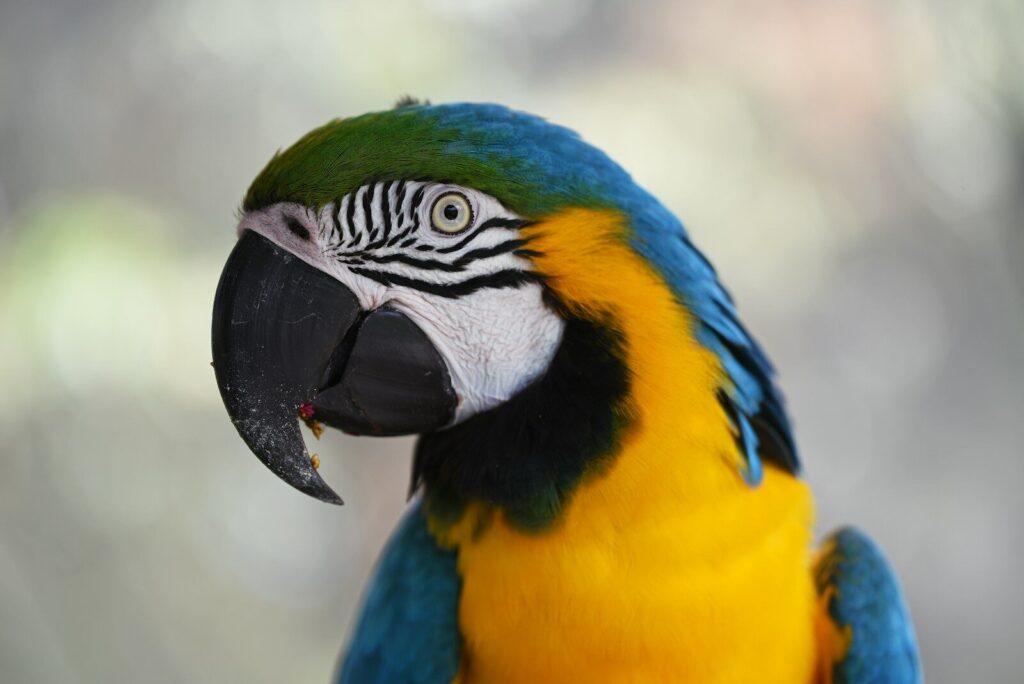
These remarkable birds don’t just mimic sounds randomly. Their ability to remember and reproduce specific phrases stems from sophisticated cognitive abilities that scientists are only beginning to fully understand. Cockatoos and Amazonian parrots can live to age 60 or older, meaning they spend years absorbing the speech patterns, habits, and routines of their human families.
What happens when a parrot becomes an unintentional keeper of memories raises fascinating questions about animal intelligence, the bonds between humans and their pets, and even unexpected legal implications. These feathered companions become living time capsules, preserving fragments of conversations and moments that might otherwise be lost forever.
Initial Experiences After Adoption
The daughter’s first days with her mother’s parrot brought unexpected moments of recognition as the bird vocalized phrases in her late mother’s distinct voice and manner. These encounters created a blend of comfort and grief as familiar words echoed through the house during quiet mornings.
Noticing Familiar Phrases in the Morning
The parrot began repeating specific phrases her mother had used daily, particularly during morning routines. These weren’t random words but complete sentences her mother had said in characteristic ways.
The daughter heard “Good morning, sunshine” in her mother’s exact tone and inflection. The bird also mimicked “Time for coffee” and “What a beautiful day” at the same times her mother would have said them. These vocalizations happened most frequently between 7 and 9 AM, matching her mother’s typical morning schedule.
Bonding with adopted parrots often takes time. But hearing her mother’s phrases created an immediate, albeit bittersweet, connection. The bird’s timing seemed almost intentional, as if it had internalized not just the words but the rhythm of its previous owner’s daily life.
Emotional Reactions and Family Memories
Each phrase triggered vivid memories of mornings spent with her mother. The daughter experienced waves of emotion ranging from comfort to sadness as the parrot unknowingly preserved her mother’s presence.
Family members who visited had strong reactions when they heard the bird speak. Some found it healing to hear their loved one’s voice again, while others found it too painful initially. The daughter noticed that certain phrases made her smile, especially her mother’s characteristic expressions that no one else would say quite the same way.
Living with parrots who have outlived their previous owners creates unique emotional situations. The bird served as an unexpected audio archive of her mother’s personality and speech patterns. These moments allowed the family to remember specific instances when her mother had said these exact phrases during breakfast conversations or while preparing for the day.
Adjusting to a Parrot’s Unexpected Reminders
Learning to live with these vocal reminders required emotional adjustment. The daughter had to find balance between appreciating the connection to her mother and managing the grief these phrases sometimes triggered.
She established new routines around the parrot’s vocalizations. Some mornings she embraced the familiar phrases and talked back to the bird. Other days she needed space and moved to different parts of the house during peak talking times.
Realistic expectations for adopting a parrot include understanding their long-term commitment. But nothing had prepared her for this specific situation. She gradually recognized which phrases brought comfort versus which ones felt too raw, allowing her to emotionally prepare when the bird started its morning routine.
Understanding Parrot Intelligence and Memory
Parrots possess remarkable cognitive abilities that allow them to remember and reproduce complex vocalizations years after first hearing them. Their brains contain specialized structures that support advanced learning, emotional connections, and long-term memory retention.
Why Parrots Imitate Human Speech
Parrots don’t just mimic sounds randomly. They’re actually capable of understanding context and meaning behind the words they learn.
Research has shown that parrots can learn vocabulary and understand concepts like shapes, colors, and even basic math. African Grey parrots, in particular, have demonstrated the ability to use words appropriately in different situations. They pick up on the emotional tone of speech too, which is why a parrot might repeat phrases exactly how its owner said them, complete with the same inflection and emotion.
Scientists studying parrot brains discovered that the structure connecting the cortex and cerebellum is considerably larger in parrots than in other birds. This explains their exceptional ability to process and reproduce human language. Wildlife rehabbers and animal rehabilitation specialists often note that parrots form strong associations between specific phrases and the people who said them most frequently.
Longevity and Emotional Memory in Parrots
Many parrot species live 50 to 80 years, giving them decades to accumulate memories and learned behaviors. This extended lifespan means a parrot can carry its owner’s voice and habits for an entire human lifetime.
Parrots demonstrate episodic-like memory, which means they can recall specific past events and their own actions. This type of memory is linked to self-awareness and mental time travel. When a parrot repeats a phrase years later, it’s not just reciting memorized sounds. The bird may actually be recalling the specific moments and emotions associated with hearing those words.
Key memory capabilities include:
- Recognition of individual people years after last contact
- Retention of vocal patterns and speech habits
- Association of phrases with specific times of day or activities
- Emotional connections to learned vocalizations
Animal Cognition: Context, Emotion, and Recall
Recent research into parrot cognition has revealed sophisticated reasoning abilities including probabilistic thinking and complex problem-solving. Parrots don’t just memorize phrases mechanically. They understand when and how to use them based on situational cues.
A parrot that lived with someone for years develops deep behavioral patterns tied to daily routines. Morning greetings, mealtime phrases, or bedtime expressions become ingrained in the bird’s cognitive framework. Studies involving African Grey parrots have shown their ability to learn and reason through complex tasks, demonstrating intelligence that goes beyond simple imitation.
The emotional component matters significantly. Parrots form strong bonds with their primary caregivers, and these attachments influence what they remember and repeat. When a daughter adopts her late mother’s parrot, she’s inheriting a living archive of her mom’s daily speech patterns, complete with the emotional context in which those words were originally spoken.
Parrots as Unintentional Witnesses
African Grey parrots and other vocal species have found themselves at the center of criminal investigations when they repeated phrases that may have been spoken during violent crimes. These cases raise questions about animal memory, legal evidence standards, and how much weight courts should give to a bird’s mimicry.
Real-Life Stories of Parrots Repeating Key Phrases
The Michigan murder case involving Martin Duram became one of the most talked-about examples of a parrot potentially serving as a witness. Martin was shot on May 12, 2015, and the only witness was Bud, an African Grey parrot. Weeks after the killing, family members recorded video of Bud saying “Don’t f—ing shoot” in what they believed was Martin’s voice during an argument.
Martin’s mother, Lillian Duram, told media that the bird “picks up anything and everything” and had developed quite the vocabulary. His wife Glenna Duram was charged with first-degree murder after surviving what prosecutors believed was a self-inflicted gunshot wound to her own head. The case attracted attention because prosecutors initially didn’t rule out putting Bud on the stand, though they ultimately decided they had sufficient evidence without the parrot’s testimony.
In another instance, a parrot’s repeated cries helped convince police they were dealing with a serious elder abuse case at the home of a deceased woman. The bird’s distressed vocalizations gave investigators pause about the circumstances surrounding the death.
How Parrot Testimony Has Impacted Human Cases
Despite the attention these cases receive, parrot testimony faces significant legal hurdles. Courts generally rule that statements repeated by parrots constitute inadmissible hearsay since there’s no way to cross-examine a bird or verify the context in which it learned specific phrases. The bird can’t be sworn in, doesn’t understand the concept of truth, and has no way to clarify what it heard or when.
In the Duram case, while Bud’s repetition of phrases drew massive media coverage and public fascination, the prosecution built their case on physical evidence and witness testimony from humans. The legal boundaries around animal witnesses remain firmly established—no matter how compelling a parrot’s mimicry might sound, it doesn’t meet courtroom evidence standards.
These cases do serve an informal purpose though. They can prompt investigators to look more closely at certain individuals or scenarios, even if the parrot’s words never make it into official court proceedings.
The Legal Challenges of Animal Testimony
Courts have consistently rejected animal vocalizations as admissible evidence, creating significant barriers for cases where pets might have witnessed crimes. Despite public fascination with parrots repeating incriminating phrases, no legal precedent exists for treating their mimicry as legitimate testimony.
Barriers to Using Animal Speech as Evidence
The fundamental problem with parrot testimony centers on the bird’s inability to understand what it’s saying. Courts have refused to treat animal sounds as testimony, keeping these instances in the realm of media spectacle rather than courtroom evidence.
Parrots mimic human speech through vocal anatomy, not comprehension. They can’t be cross-examined, sworn in, or questioned about the context of their statements. Legal systems require witnesses to understand the duty to tell the truth and the consequences of lying.
The hearsay rule presents another major obstacle. Even if a parrot repeats a victim’s last words, prosecutors can’t verify the accuracy or context of those statements. Unlike human witnesses who can clarify their testimony, birds simply repeat sounds without cognitive processing.
Landmark Opinions on Parrot Testimony
The case of Bud, a gray parrot in Michigan, brought national attention to this legal question. The bird reportedly repeated “Don’t f***ing shoot” after his owner Martin Duram was killed. While prosecutors initially considered whether Bud’s statements could qualify under Michigan’s excited utterance exception, the evidence wasn’t formally admitted.
Glenna Duram was ultimately convicted of first-degree murder in 2016, but the conviction relied on suicide notes and other physical evidence rather than the parrot’s vocalizations. The bird’s statements influenced the investigation’s direction but never appeared as official trial evidence.
A South Carolina case involved a parrot that repeated “help me, help me” followed by laughter in an elder abuse investigation. While the bird’s behavior caught investigators’ attention, prosecutors didn’t attempt to introduce its vocalizations as courtroom testimony.
Current Developments in Animal Law
Animal law organizations focus on legal rights and welfare protections rather than testimony issues. The Nonhuman Rights Project works to establish legal personhood for certain intelligent animals, arguing they deserve fundamental rights like bodily liberty. Their cases typically involve great apes, elephants, and dolphins.
The Animal Legal Defense Fund concentrates on abuse prevention and improving animal welfare statutes. They’ve achieved victories in areas like strengthening cruelty laws and establishing veterinary forensic programs.
Neither organization has pursued litigation to make animal vocalizations admissible as evidence. The legal community views this as a settled matter—animals lack the cognitive requirements for witness testimony regardless of their intelligence or mimicry abilities.
Roles of Animal Rehabilitation and Safe Havens
Animal rehabilitation centers and sanctuaries provide critical care for birds like parrots who lose their owners or face neglect. These facilities employ specialized techniques to address trauma while volunteers form profound connections that help birds regain trust in humans.
Wildlife Rehabbers and Their Vital Work
Wildlife rehabbers step in when companion animals and wild birds need emergency intervention. These professionals handle everything from medical treatment to behavioral assessment, ensuring each bird receives appropriate care based on its species and history.
Understanding species-specific characteristics is essential for effective rehabilitation. Different parrot species show varied social behaviors and foraging habits that require tailored approaches. Some birds are highly social and need constant interaction, while others prefer quieter environments.
The rehabilitation process addresses both physical and psychological needs. Birds who’ve lost owners often experience grief and confusion, requiring patient socialization. Rehabbers work to restore normal behaviors while evaluating whether a bird can be rehomed or needs long-term sanctuary care.
Heck Haven: A Case for Animal Protection
Suzy Heck operates Heck Haven as a dedicated space for animals requiring protection and rehabilitation. Her facility demonstrates how individual advocates can make significant impacts through hands-on care and community education.
Sanctuaries like Heck Haven serve multiple purposes:
- Emergency placement for birds whose owners have died
- Long-term housing for unadoptable parrots
- Educational outreach about proper parrot care
- Medical rehabilitation for neglected birds
These facilities often work alongside larger organizations like the World Parrot Trust, which combines scientific research with conservation efforts. The Parrot Outreach Society focuses specifically on placement programs for abandoned parrots, ensuring birds find safe custody when owners can no longer care for them.
Special Cases: Parrots in Witness Protection
Some parrots require placement in secure environments due to unique circumstances. Birds who’ve witnessed traumatic events or come from abusive situations need specialized care that standard adoption can’t provide.
These cases often involve birds with severe behavioral issues stemming from neglect or mistreatment. Organizations dedicated to parrot welfare provide rehabilitation services specifically designed for displaced companion parrots who’ve experienced abuse.
The placement process for these special cases involves thorough behavioral evaluations and matching birds with experienced handlers. Some parrots remain in sanctuary settings permanently, while others eventually transition to carefully vetted adoptive homes. The goal is always ensuring the bird’s safety and psychological well-being come first.
Broader Impacts on Human-Animal Relationships
Stories of parrots repeating their deceased owners’ words reveal how deeply animals integrate into human lives and raise questions about their emotional capacity and legal standing. These bonds challenge society to reconsider how companion animals are viewed and protected.
Coping With Grief and Finding Connection
When someone loses a loved one, hearing familiar phrases from a parrot can provide unexpected comfort during the grieving process. The bird becomes a living connection to the person who’s gone, preserving their voice and mannerisms in ways that photos and videos cannot fully capture.
Parrots can live 30 to 80 years depending on species, meaning they often outlive their original owners. This longevity creates unique relationships where the bird carries forward memories and behaviors across generations. A daughter inheriting her mother’s parrot doesn’t just receive a pet—she gains a companion that embodies her mother’s daily routines and expressions.
The study of human-animal relationships shows that people often relate to their parrots as family members, sometimes calling them “fids” or feathered kids. This deep attachment means the loss of a bird can feel as profound as losing a human family member. When the roles reverse and a parrot outlives its owner, the bird may also experience grief and stress from the separation.
What Parrots Teach Us About Animal Rights
Parrots’ ability to mimic speech and demonstrate complex emotions has prompted organizations like the Nonhuman Rights Project to argue for legal personhood for certain intelligent species. Their cognitive abilities challenge the traditional property status of animals under law.
The Animal Legal Defense Fund works on cases involving companion animal welfare, recognizing that animals with advanced intelligence deserve stronger protections. Parrots can solve puzzles, use tools, and form long-term social bonds that suggest sophisticated emotional lives.
When a parrot repeats its deceased owner’s words, it demonstrates memory and learning that goes beyond simple mimicry. These birds remember context, tone, and timing of phrases they heard regularly. Such capabilities raise ethical questions about how society treats animals that clearly possess awareness and emotional depth beyond what many people assume.