Dogs Tilt Their Heads to Hear You Better and to Read Your Lips — Behaviorists Say Repeat Tilters Are Often the Smartest in Their Litter
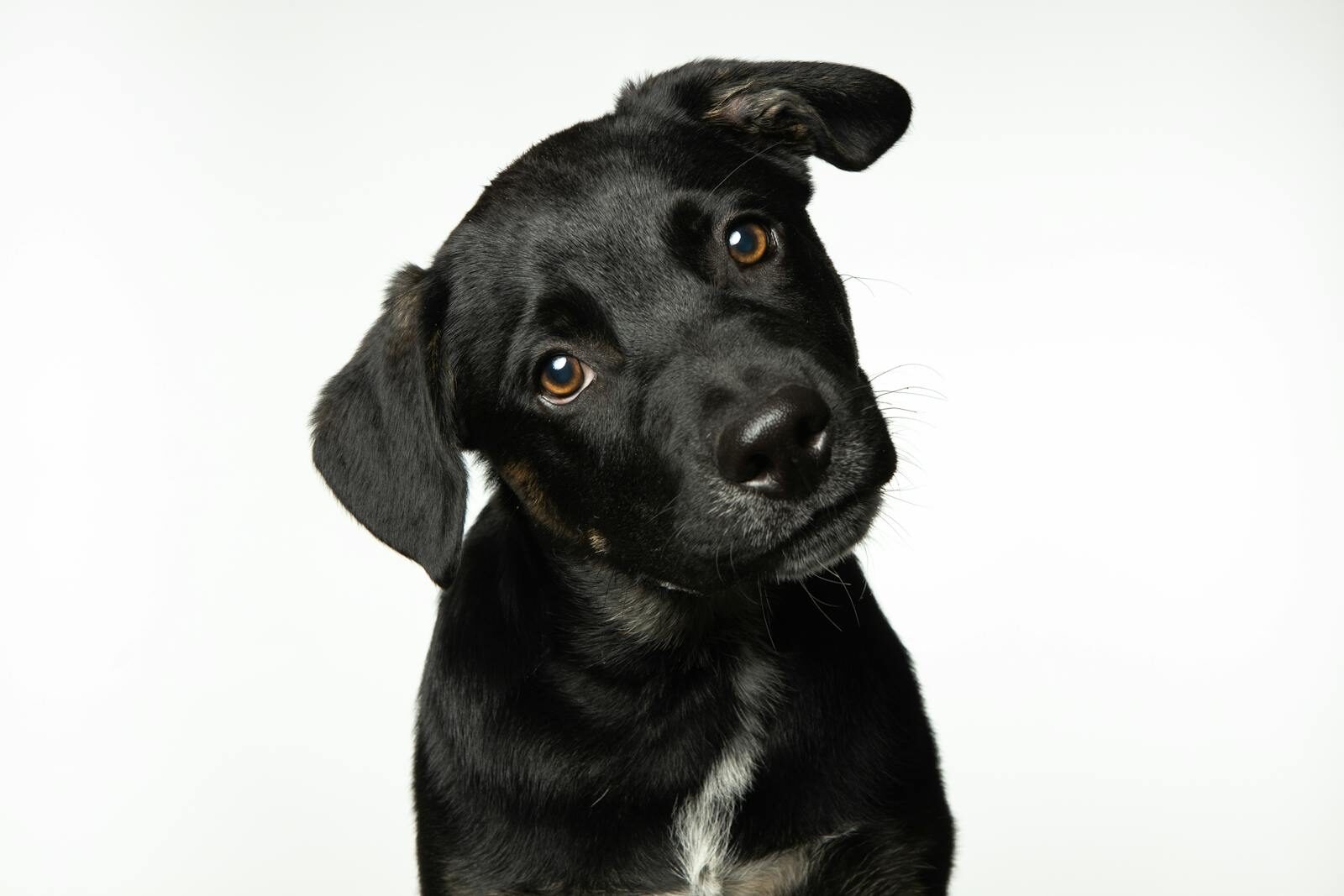
When a dog cocks their head to one side while someone speaks, they’re doing far more than looking adorable. Dogs tilt their heads primarily to hear better by adjusting their ear position and to get a clearer view of human facial expressions and mouth movements, with frequent head-tilters often demonstrating higher cognitive abilities. This seemingly simple gesture involves a complex interaction of auditory processing, visual adjustment, and emotional intelligence that scientists are only beginning to fully understand.
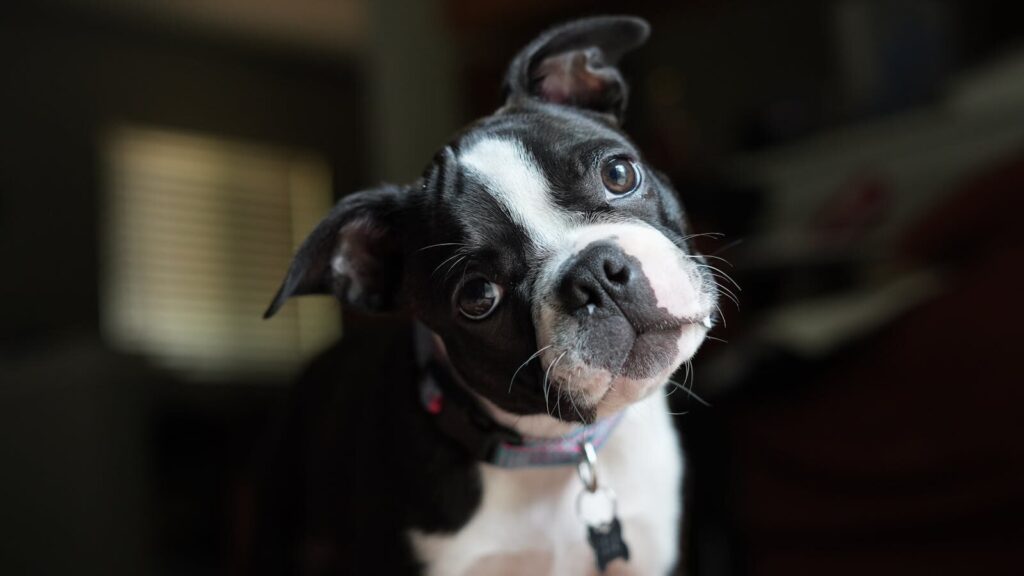
The behavior becomes even more intriguing when considering that dogs who tilt their heads more frequently may be showing signs of empathy and deeper emotional awareness. Research suggests these dogs aren’t just passively listening—they’re actively processing language, tone, and visual cues to bridge the communication gap between species. Some behaviorists have even noticed that many dogs develop a preferred tilting direction, similar to how humans favor one hand over the other.
While most dog owners have witnessed this charming behavior countless times, few realize it reveals important information about how their pet thinks and learns. From the role of ear anatomy to the influence of muzzle shape, and from cognitive engagement to learned responses, the head tilt offers a window into canine intelligence that goes well beyond cuteness.
Understanding the Famous Dog Head Tilt
The dog head tilt is one of the most recognizable and endearing behaviors pet owners witness, typically appearing as a quick sideways rotation of the head that can occur on either side. This canine behavior happens most frequently during conversations with owners and often correlates with specific words or tones that dogs find particularly interesting.
What the Head Tilt Looks Like
The classic dog head tilt involves a deliberate sideways rotation of the head, usually at an angle between 15 and 45 degrees. The movement can be subtle or pronounced depending on the dog’s breed and individual personality.
Some dogs tilt to one side consistently, while others alternate between left and right tilts. Research on canine body language indicates that many dogs show a preference for tilting to one particular side, similar to how humans favor one hand over the other.
The tilt often accompanies other behaviors like perked ears, focused eye contact, and a still body posture. These combined signals indicate the dog is concentrating on something in their environment. The duration of each tilt varies from a brief fraction of a second to several seconds, depending on what has captured the dog’s attention.
When It Happens Most Often
Dog head tilting occurs predominantly when owners speak directly to their pets, especially when using high-pitched voices or excited tones. Dogs frequently tilt their heads when they hear specific words they recognize, such as “walk,” “treat,” or their own names.
The behavior appears most commonly when the person is standing directly in front of the dog at eye level. According to behavioral experts, this positioning suggests the tilt serves purposes beyond simply locating where a sound originates.
Certain situations trigger head tilts more reliably than others:
- During conversations where owners use animated vocal inflections
- When dogs hear unfamiliar sounds or words they’re trying to decode
- Before anticipated positive events like meals or outdoor activities
- When owners ask questions in an engaging tone
The Role of Canine Behavior
Canine behavior specialists view head tilting as a multilayered communication method that involves auditory processing, visual assessment, and social interaction. Dogs use this behavior to gather information about their environment and the humans they interact with.
The tilt becomes reinforced through positive outcomes. When a dog tilts their head and receives treats, praise, or affection in response, they learn to repeat the behavior more frequently. This reinforcement cycle explains why some dogs tilt their heads more often than others in the same household.
Behaviorists note that the tilt reflects a dog’s attempt to process and understand human communication. It represents active engagement rather than passive observation, showing the dog is working to decode both verbal and non-verbal cues from their owner.
How Dogs Use Their Ears to Tune Into Sounds
Dogs rely on precise ear movements and head positioning to locate sounds and process what they’re hearing. Their ear anatomy and the muscles controlling their pinnae allow them to adjust their hearing in ways that explain the classic dog head tilt.
Pinpointing the Source of a Sound
Dogs tilt their heads to reposition their ears and figure out exactly where a sound is coming from. By moving the position of the head, dogs can triangulate sounds and determine direction like a built-in radar system.
Each ear has 18 muscles that allow dogs to rotate, tilt, and reposition them independently. This mobility helps them calculate the time difference between when a sound reaches the right ear versus the left ear. That tiny time gap tells them distance and location.
Ear flaps partially or completely cover the ear canal and act as barriers to sound transmission. Dogs must change position to optimize sound detection. When an interesting sound comes from the front, a dog cocks its head in that direction. If it comes from behind, the dog may turn first before tilting.
High-Pitched Voices and Favorite Words
Dogs frequently tilt their heads when they hear high-pitched “baby talk” or specific tones that grab their attention. Veterinary behaviorists note that dog-directed speech with higher inflections triggers this response more than normal conversation.
A study revealed that dogs who successfully linked words with specific objects were more likely to tilt their heads when hearing those particular words. This suggests the head tilt isn’t just about hearing better—it’s also about mental processing. The muscles controlling a dog’s middle ear are managed by the same brain region that handles facial expressions and head movements, which is why dogs tilt their heads to show they’re concentrating on what someone is saying.
Breed Differences and Ear Anatomy
Not all breeds tilt their heads equally often due to variations in ear structure. A German Shepherd’s ear flap covers only the back of the canal and limits rear sound detection. A Cocker Spaniel has heavy ear flaps that entirely cover the ear canals and interfere with sound waves from all directions.
Dogs with flat faces tilt their heads less often than those with longer snouts. Bulldogs and Boston Terriers don’t need to adjust as much because their short noses don’t obstruct their hearing the way long muzzles do. Floppy-eared breeds like Basset Hounds benefit most from tilting to open the ear canal and enhance sound reception.
Why Dogs Tilt to See Your Face Clearly
Dogs don’t just tilt their heads to optimize sound—they’re also adjusting their visual field to get a better look at human faces. A dog’s muzzle can block their view of facial expressions, and tilting helps them work around this physical limitation to read emotional cues more effectively.
The Obstacle of the Muzzle
A dog’s snout creates a significant blind spot directly in front of their face, similar to how a person holding a fist to their nose would need to turn their head to see straight ahead. When dogs tilt their heads, they’re working around their interfering muzzles to broaden their range of vision.
This adjustment allows them to see past the obstruction and get a clearer view of what’s directly in front of them. The dog head tilt essentially shifts the angle so their snout doesn’t block important visual information. It’s a practical solution to a structural challenge that many dog owners find adorable, even though it serves a functional purpose.
Reading Human Facial Expressions
Dogs rely heavily on visual cues to understand human communication and emotions. They assess facial expressions, eye movements, and body language to translate what people are trying to convey. To understand humans better, dogs must clearly see faces, and tilting their heads helps improve this visual perspective.
Why dogs tilt their heads often comes down to their desire to read emotional signals more accurately. They’re looking at mouth movements, eye contact, and subtle changes in expression that help them gauge tone and intent. This visual assessment works alongside their auditory processing to create a complete picture of human communication.
Snout Length and Vision Differences
Not all breeds experience the same visual obstacles when looking at human faces. Dogs with longer muzzles, like German shepherds and collies, need to tilt more frequently because their snouts create larger blind spots. Dogs with flatter faces like bulldogs and Boston terriers may tilt less often since their short noses don’t interfere as much with their forward vision.
Dog head tilting frequency can vary based on facial structure. Breeds with pronounced snouts have adapted to compensate for their anatomy, while brachycephalic breeds already have wider, less obstructed fields of view. This difference in physical conformation explains why some dogs are habitual head tilters while others rarely display the behavior.
Cognitive Processing and Communication Signals
Dogs process language and emotional cues differently than humans might expect, and head tilting appears to play a meaningful role in how they decode what their owners are saying. Research suggests this behavior is closely tied to cognitive function and may reveal which dogs are more attuned to human communication.
Understanding Familiar Words
Studies suggest that dogs with superior word-learning abilities may tilt their heads more frequently when processing familiar object names compared to other dogs. This isn’t a random occurrence.
When a dog recognizes a word they know—like “ball” or “walk”—they often tilt their head while processing what comes next. The behavior appears to help them focus on specific information rather than just the general sound.
Dogs that tilt their heads more often during conversations may be actively working to match words with meanings. They’re essentially trying to understand which familiar object or activity their owner is referring to.
This cognitive effort explains why head tilting could indicate they’re processing information in a sophisticated way. The tilt becomes a visible sign of mental engagement.
Focusing on Emotion and Tone
Dogs tilt their heads to pick up on the high-pitched, enthusiastic tones people often use when speaking to them. According to certified applied animal behaviorist Jill Goldman, the dog is probably trying to gather or focus on the information rather than simply locating where sound is coming from.
The behavior helps dogs distinguish between different vocal inflections. They’re listening for cues that signal whether their owner is happy, excited, or asking a question.
When someone speaks in an emotional or animated voice, dogs appear more likely to tilt their heads. This suggests they’re trying to refine their understanding of what’s being communicated beyond just the words themselves.
Signs of Intelligence in Head Tilters
Dogs that frequently tilt their heads during human interaction often demonstrate superior abilities at understanding human language. This correlation between head tilting and cognitive ability has caught researchers’ attention.
Common traits of frequent head tilters include:
- Quicker response to verbal commands
- Better retention of object names
- Stronger focus during training sessions
- More consistent eye contact with owners
The head tilt itself may reflect how closely tuned a dog is to their human companions. Dogs that engage in this behavior regularly tend to be more attentive and responsive overall, suggesting enhanced cognitive processing abilities that set them apart from their littermates.
The Impact of Human Reactions and Positive Reinforcement
Dogs quickly pick up on which behaviors earn them praise, treats, and affection. The head tilt consistently triggers enthusiastic responses from humans, creating a feedback loop that encourages dogs to repeat the adorable gesture.
How Dogs Learn Tilting Gets Attention
When a dog tilts their head and immediately receives smiles, baby talk, or physical affection, they’re learning a powerful lesson about canine behavior and positive reinforcement. Dogs are highly observant of human reactions and quickly connect specific actions to rewards.
The typical sequence happens fast. A dog tilts their head during conversation, the owner lights up with delight, and the dog receives verbal praise or pets. This creates a positive association in the dog’s mind.
Over time, some dogs begin performing the head tilt more deliberately. They’ve figured out it’s an effective tool for getting their human’s undivided attention. This doesn’t mean the original behavior wasn’t genuine—it just means dogs are smart enough to recognize when something works in their favor.
Research shows that dogs who tilt their heads are highly attuned to human communication, making them especially responsive to social cues. They notice when their actions generate excitement and adjust accordingly.
Reinforcing Cute Behaviors Without Realizing
Most dog owners don’t consciously train the head tilt, but they reinforce it constantly through everyday interactions. Every giggle, aww, or photo opportunity tells the dog this behavior is valuable.
The reinforcement often happens without verbal commands or treats. A change in voice tone, increased eye contact, or simply stopping what you’re doing to focus on the dog all serve as rewards. These subtle responses can be more powerful than formal training sessions.
Some dogs become so practiced at the tilt that they use it strategically—during meal prep, when asking to go outside, or when they want playtime. They’ve learned it softens their human’s resolve better than barking or pawing.
The behavior becomes self-reinforcing because humans find it nearly impossible to ignore. Unlike some repetitive dog behaviors that owners try to discourage, the head tilt gets encouraged every single time.
Teach Your Dog to Tilt on Command
Training a deliberate head tilt is surprisingly straightforward for dogs who already display the behavior naturally. Start by identifying what typically triggers the tilt—certain words, sounds, or tones of voice.
Basic training steps:
- Wait for a natural head tilt to occur
- Immediately say “tilt” or another chosen command word
- Reward with a treat and enthusiastic praise
- Repeat this pairing 5-10 times per session
Once the dog starts associating the command with the action, begin saying “tilt” before they naturally would. Hold a treat near your ear or make a curious sound to encourage the movement. Mark the behavior the instant their head moves to the side.
Some trainers suggest using hand signals alongside verbal cues. Pointing to your ear or tilting your own head can help dogs understand what you want. Keep training sessions short—around 5 minutes—to maintain enthusiasm.
Dogs who learn vocabulary easily or those identified as “gifted word learners” in studies tend to pick up this trick faster than others.
When a Dog’s Head Tilt is a Medical Red Flag
While head tilting is often adorable and harmless, a persistent or sudden tilt can signal something’s wrong. The key difference is whether the tilt is brief and situational or constant and accompanied by other worrying symptoms.
Spotting Signs of Illness
A medical head tilt looks different from the cute, curious version most dog owners recognize. The dog holds their head at an angle consistently, with one ear pointing down toward the ground. This isn’t a quick movement—it sticks around.
Watch for additional red flags that suggest underlying health issues requiring veterinary attention. Dogs might lean or circle in the same direction as the tilt. They could stumble, fall over, or avoid standing up altogether.
Vomiting, confusion, and extreme lethargy are serious warning signs. Some dogs develop unusual eye movements where their eyes shift rapidly from side to side. Others lose their hearing or become disoriented in familiar spaces.
Vestibular Issues and Ear Infections
Most medical head tilts trace back to problems with the vestibular system in the middle ear. This system controls balance, posture, and head position. When it malfunctions, dogs literally lose their sense of equilibrium.
Ear infections from bacteria or parasites commonly trigger vestibular symptoms. A ruptured eardrum can cause the same issues. Other culprits include stroke, brain inflammation, hypothyroidism, or even certain antibiotics if the eardrum is already damaged.
Cancer and nutritional deficiencies, particularly thiamine shortage, also appear on the list. Sometimes the cause remains idiopathic—meaning vets can’t pinpoint the exact reason, especially in older dogs.
When to Call the Vet
Any persistent head tilt deserves a vet visit, but some situations demand immediate care. If the dog can’t walk, keeps falling, or vomits repeatedly, don’t wait.
Eye movements that shift side to side signal neurological problems that need prompt diagnosis. Severe disorientation or a dog that seems confused in their own home requires urgent attention. The vet will examine the ears closely and may recommend blood work, imaging tests like X-rays or MRIs, or cerebrospinal fluid analysis if brain infection is suspected.
Treatment depends on the diagnosis. Ear infections typically clear up with antibiotics within two weeks, though severe cases might take months. Neurological issues may require long-term management rather than a complete cure.