This Frog Has Translucent Skin That Reveals Its Beating Heart and Working Organs — The Glass Frog Hides in Plain Sight on Rainforest Leaves
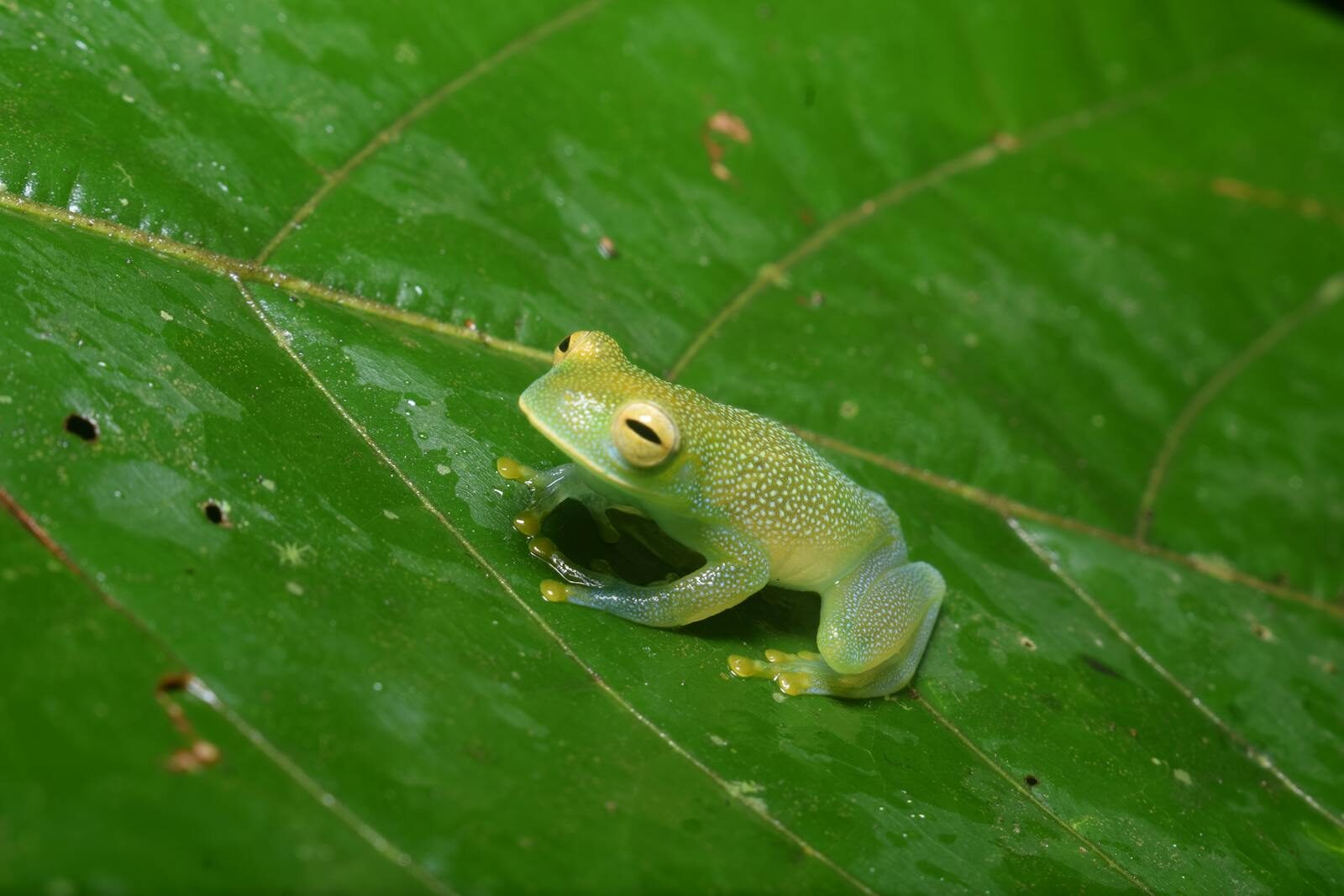
Deep in the rainforests of Central and South America lives a creature that seems to defy nature’s usual rules. Glass frogs possess translucent skin on their undersides that allows observers to see directly through to their beating hearts, livers, and other internal organs as they function in real time. These tiny amphibians, roughly the size of a paperclip, achieve nearly complete transparency while resting on rainforest leaves during the day, making them look like nothing more than dewdrops to passing predators.
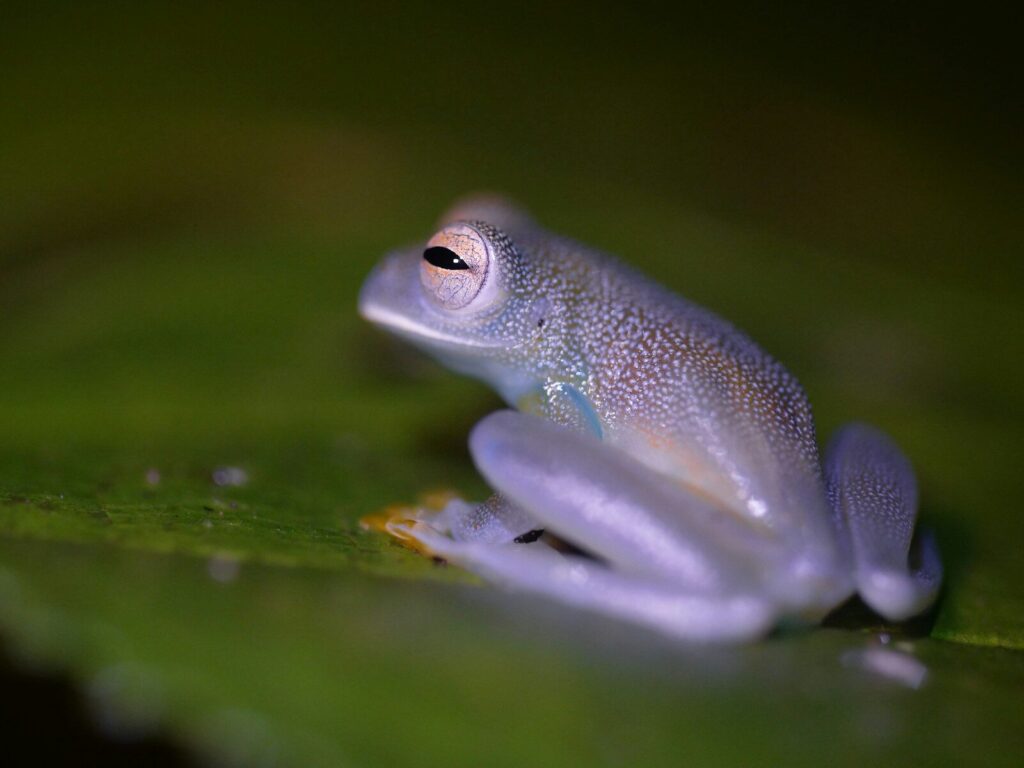
The approximately 160 species that make up the glass frog family Centrolenidae share this remarkable adaptation. While their backs typically display a lime green color that helps them blend with foliage, their bellies reveal an extraordinary window into their anatomy. Anyone lucky enough to flip one over can watch blood pumping through arteries and food moving through the digestive system.
What makes these frogs even more fascinating is the mystery behind their survival. Recent research has uncovered that glass frogs can hide nearly 89% of their red blood cells in their livers while sleeping, increasing their transparency by up to 61% compared to when they’re active. How they manage this without forming fatal blood clots or suffering from severely reduced oxygen transport remains one of nature’s most intriguing puzzles.
The Science Behind Translucent Skin
Glass frogs achieve their remarkable see-through quality through a combination of transparent tissues and a unique ability to hide their red blood cells in their liver. While many aquatic creatures can pull off transparency, these land-dwelling amphibians face special challenges that make their adaptation particularly impressive.
How Transparency Works on Land
Transparency is common among fully aquatic animals like jellyfish and eel larvae because light moves consistently through water. Land animals face a much trickier situation since light reflects differently through air than water, making it extremely difficult to achieve true transparency.
Glass frogs in the family Centrolenidae have evolved translucent muscles and skin despite these obstacles. Their bodies blend seamlessly into their jungle environment as they rest on leaves during the day.
The frogs don’t maintain the same level of transparency around the clock. When Fleischmann’s glass frog sleeps, it becomes between 34% and 61% more transparent compared to when it’s active at night feeding and breeding.
Visible Organs: Beating Hearts and More
The ventral side of these paperclip-sized amphibians offers a clear window into their anatomy. Observers can see bones, a beating heart, and various internal organs through the belly skin while the back maintains a lime green color.
This partial transparency creates an effective camouflage strategy. The frogs appear like dewdrops on foliage, which helps protect them from predators like spiders and snakes during their daytime rest periods.
The translucent quality affects specific body parts more than others. While the underside reveals internal structures, the dorsal surface retains its green pigmentation to match the leaves where these tree-dwelling amphibians spend their days sleeping.
Role of Red Blood Cells in Glass Frogs
Red blood cells present a major obstacle to transparency because they contain hemoglobin proteins that absorb light and give blood its crimson color. Most animals can’t work around this problem, but glass frogs have developed an extraordinary solution.
When the frogs sleep, their blood vessels in the liver become packed with red blood cells, causing the organ to swell by approximately 40%. These amphibians can store a remarkable 89% of their red blood cells in their liver, compared to just 12% in other tree frog species.
This strategy means the frogs essentially aren’t transporting much oxygen for about 12 hours each day. How they survive this extreme adaptation remains unclear to researchers.
The concentrated storage of red blood cells also raises questions about clotting. Moving so many blood cells into one location could potentially create fatal clots, yet glass frogs manage this feat without apparent harm.
Meet the Family: Centrolenidae and Its Notable Members
The Centrolenidae family encompasses over 100 species spread across multiple genera, with Hyalinobatrachium fleischmanni standing as one of the most recognizable representatives of these translucent amphibians.
Classification and Species Diversity
The glass frog family includes more than 100 species organized into several distinct genera. Scientists continue discovering new species regularly, making this an ever-expanding group.
The subfamily Centroleninae contains the bulk of diversity, with major genera including Centrolene (36 species), Nymphargus (45 species), Cochranella (15 species), and Hyalinobatrachium. Recent discoveries revealed that what researchers once thought was a single species actually represents several distinct species, each differing in appearance, vocalizations, and genetics.
These frog species range dramatically in size. Most glass frogs measure around 30 mm in snout-vent length, but Centrolene geckoideum breaks the mold by reaching 77 mm—making it more than twice the size of its tiny relatives.
Fleischmann’s Glass Frog and Hyalinobatrachium
Hyalinobatrachium fleischmanni serves as the poster child for the entire Centrolenidae family. This species belongs to the genus Hyalinobatrachium, which represents one of the primary lineages within glass frogs.
Fleischmann’s glass frog displays the characteristic lime green coloration common to most centrolenids. Males of this species exhibit territorial behavior and guard eggs deposited on leaves overhanging streams.
The genus Hyalinobatrachium evolved male parental care independently, with males attending eggs laid on vegetation. This behavior emerged separately from similar patterns seen in the Centrolene genus, representing a fascinating case of convergent evolution within the same family.
What Makes Hyalinobatrachium Special
Hyalinobatrachium species showcase the most dramatic transparency among glass frogs. Their translucent belly skin reveals internal organs, including bones, digestive systems, and beating hearts—a feature that gives the entire family its common name.
These frogs possess green bones resulting from green bile salts, a unique characteristic shared across the Centrolenidae family. Research uncovered another remarkable adaptation: their skin contains specialized pigments that reflect the same wavelength of infrared radiation as plants, potentially enhancing their camouflage abilities.
The genus thrives in Central American rainforests, where males call from their territories and females deposit eggs on leaves. When tadpoles hatch, they drop into streams below and burrow into sand or detritus at the bottom.
Life on the Leaves: Habitat and Range
Glass frogs make their homes in the lush vegetation of Central and South American forests, spending most of their lives perched on leaves above flowing water. These amphibians have adapted to life in the trees, rarely descending to the ground.
Rainforest and Cloud Forest Dwellers
Glass frogs inhabit tropical lowland forests to mid-elevation mountain forests throughout the New World tropics. They’re particularly fond of areas near streams, rivers, and lakes where moisture stays consistently high. The frogs cling to leaves and branches using their expanded digit tips, which work like tiny suction cups for climbing.
These amphibians thrive in cloud forests where mist and fog provide constant humidity. The vegetation along waterways offers perfect hunting grounds for small insects. Males typically claim territory on leaves overhanging water, positioning themselves on either the top or underside depending on their species.
The tree-dwelling lifestyle keeps glass frogs away from ground predators while giving them access to egg-laying sites. Their translucent bellies blend with the light filtering through leaves, making them nearly invisible to predators looking up from below.
Ecuador and Other Hotspots
Ecuador stands out as one of the richest areas for glass frog diversity, hosting numerous species in its Amazon and Andean regions. The country’s varied elevations and abundant rainfall create ideal conditions for these amphibians.
Glass Frog Distribution:
- Central America (Costa Rica, Panama, Honduras)
- Northern South America (Colombia, Venezuela)
- Western South America (Ecuador, Peru)
- Amazon Basin regions
The frogs occur across a range from sea level to mountain elevations of around 3,000 meters. Ecuador’s protected reserves help maintain populations, though habitat loss threatens many areas. Deforestation for agriculture and development continues to reduce suitable territories where glass frogs can breed and feed.
Daily Life and Survival Strategies
Glass frogs are nocturnal, becoming active at night to hunt for small insects and avoid daytime predators. During daylight hours, they rest motionless on rainforest leaves, relying on their camouflage for protection.
Their translucent skin provides edge diffusion, softening the line between their body and the background. This makes it difficult for predators to distinguish where the frog ends and the leaf begins. Males guard egg clutches laid on leaves, protecting them from frog flies and other threats while calling to attract additional mates.
The frogs spend their entire adult lives in vegetation, only entering water briefly as tadpoles. When eggs hatch, tadpoles drop into streams below where they develop among leaf litter until metamorphosis.
Reproduction, Tadpoles, and Parental Care
Glass frogs follow a distinctive reproductive strategy that involves laying eggs on vegetation above streams, with males taking on protective duties until the tadpoles hatch and drop into the water below. The development process showcases remarkable adaptations that help these transparent amphibians survive in their rainforest environment.
Unique Egg-Laying Behavior
Female glass frogs deposit their eggs on the underside of leaves hanging over streams and rivers. This placement isn’t random—it gives the developing embryos protection from many ground-based predators while positioning them perfectly for the next stage of life.
The eggs are typically laid in small clusters, often containing 20 to 30 eggs depending on the species. The jelly-like coating around each egg helps keep them moist in the humid rainforest air. When the tadpoles are ready to hatch, they simply drop from the leaf directly into the flowing water below.
This egg-laying strategy represents a critical adaptation for survival. By keeping eggs above the water, glass frogs reduce exposure to aquatic predators that would otherwise feast on the developing embryos.
Male Guardianship and Egg Protection
Male glass frogs provide dedicated care to their eggs by remaining near the clutch throughout the incubation period. They sit on or near the eggs, using their bodies to maintain proper moisture levels and ward off potential threats.
The males actively defend against wasps, spiders, and other invertebrates that might prey on the vulnerable eggs. They’ll kick at intruders or position themselves as a physical barrier. This parental investment significantly increases the survival rate of the offspring.
The guarding behavior can last for several days to weeks until the tadpoles are ready to hatch. During this time, males may leave briefly to feed but quickly return to their protective posts.
Tadpole Development and Adaptations
Once tadpoles drop into the stream, they enter an aquatic phase that differs dramatically from their parents’ arboreal lifestyle. The young tadpoles have elongated bodies with muscular tails that help them navigate flowing water and avoid being swept downstream.
Key tadpole features include:
- Strong, streamlined bodies for swimming in currents
- Specialized mouthparts for feeding on algae and organic matter
- Gradual development of limbs over several weeks
The tadpoles eventually undergo metamorphosis, developing legs and absorbing their tails as they transform into juvenile frogs. This process can take several months depending on the frog species and environmental conditions like water temperature and food availability.
Camouflage and Adaptation
Glass frogs use their translucent skin to blend into their rainforest environment, storing blood in their livers to achieve near-complete transparency while resting. This adaptation helps them survive in environments where traditional camouflage methods wouldn’t be as effective.
Transparency as a Survival Tool
The glass frog’s translucent stomach skin works as a defense mechanism against predators by making the frog difficult to detect on leaves. When these frogs sleep during the day, they become 34% to 61% more transparent than when active.
The trick involves hiding their blood. Glass frogs store up to 89% of their red blood cells in their livers while sleeping, causing the organ to swell by about 40%. This process removes the crimson color that would otherwise make them visible to predators.
At night when they’re active and feeding, the frogs become opaque as blood circulates normally. The beating heart and organs become visible through their belly, but this doesn’t matter in low light conditions. Scientists still don’t fully understand how these frogs survive with minimal oxygen transport for 12 hours daily.
Predator Evasion and Leaf Mimicry
Glass frogs blend in like drops of dew on leaves while they rest, protecting them from spiders and snakes. The lime green color on their backs matches the foliage, while their transparent undersides eliminate shadows and edges that predators use to spot prey.
This strategy works because the frogs rest on the underside of leaves near streams throughout Central and South America. Their translucent skin makes it hard for predators to distinguish the frog’s outline from the leaf itself. The visible organs and beating heart actually help the camouflage rather than hinder it, as the transparency breaks up the frog’s shape.
The paperclip-sized amphibians face unique challenges since transparency is largely reserved for fully aquatic creatures like jellyfish and eel larvae.
Threats and Conservation Efforts
Around half of all evaluated glass frog species face serious survival challenges, with 11 species listed as critically endangered and dozens more threatened. Habitat destruction and disease outbreaks have pushed these translucent amphibians toward dangerous population declines across their Central and South American range.
Habitat Loss and Deforestation
The primary threat facing glass frogs comes from habitat loss and degradation in their tropical forest homes. As rainforests get cleared for agriculture, logging, and development, these frogs lose the specific conditions they need to survive.
Glass frogs depend on pristine forest environments with clean streams and plenty of vegetation. They live in tropical lowland forests and mid-elevation mountain forests where humidity stays high year-round. When forests disappear, so do the breeding sites and food sources that sustain glass frog populations.
The Pacific giant glass frog shows how severe this threat can be. This species is now listed as critically endangered and possibly extinct, with fewer than 50 mature individuals remaining if any wild populations survive at all.
Why Conservation Matters for Glass Frogs
Glass frogs serve as important indicators of ecosystem health in their rainforest habitats. Their presence signals clean water and intact forest systems that benefit countless other species.
Conservation efforts need to focus on:
- Protecting remaining rainforest habitats from further destruction
- Establishing protected areas where glass frog populations live
- Monitoring populations to track species decline or recovery
- Preventing the pet trade from capturing wild frogs
Scientists also study glass frogs because they can store blood in their livers without forming dangerous clots. This unique ability could lead to medical breakthroughs for treating human blood disorders. Losing these species before researchers fully understand them would eliminate potential advances in medicine and biology.