
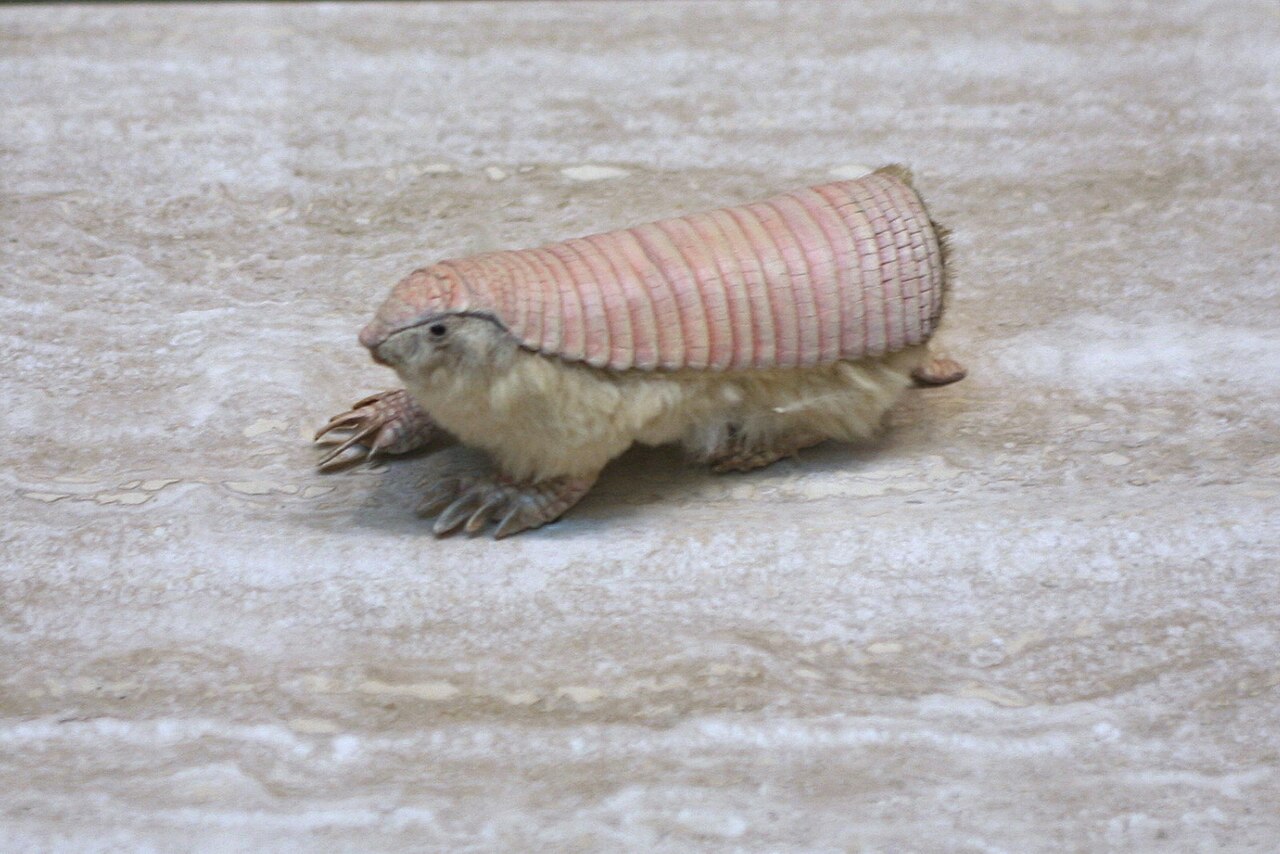
The Pink Fairy Armadillo Is the Smallest of Its Kind and Spends Its Entire Life Underground — Most People Will Never See One Above the Sand
The pink fairy armadillo, scientifically known as Chlamyphorus truncatus, holds the title of the world’s smallest armadillo species at just 3.5 to 4.5 inches long. This tiny creature spends nearly its entire life burrowing beneath the sandy plains of central Argentina, making it one of the most elusive mammals on Earth—so rare that some researchers have worked in its habitat for over a decade without ever spotting one. Weighing about 4.2 ounces and sporting a distinctive pink shell, this desert-adapted armadillo is roughly the size of a dollar bill.
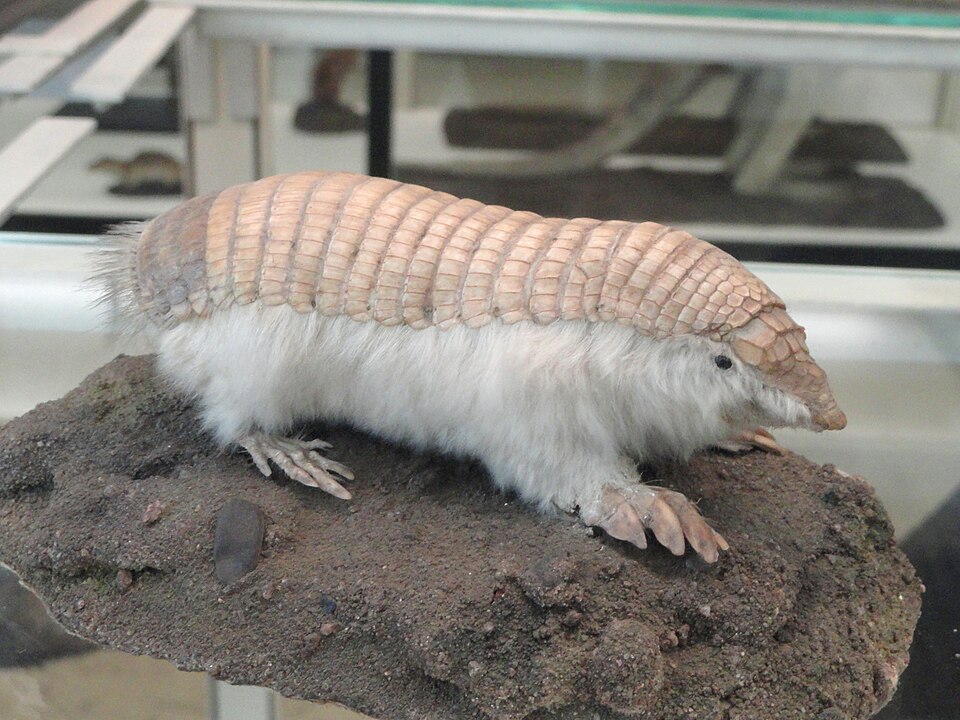
What makes this armadillo so hard to find isn’t just its size. The pink fairy armadillo can bury itself in seconds when threatened, disappearing into the sand with remarkable speed thanks to its powerful front claws. Its nocturnal lifestyle and preference for staying underground mean that surface sightings are incredibly uncommon.
From its unique pink carapace that regulates body temperature to its mysterious solitary habits, the fairy armadillo remains one of nature’s most enchanting puzzles. This creature’s specialized adaptations, reproductive patterns, and role in Argentina’s ecosystem reveal a fascinating story of survival in one of the harshest environments imaginable.
What Makes the Pink Fairy Armadillo Unique
The pink fairy armadillo stands apart from all other armadillo species through its diminutive size, unusual physical characteristics, and almost entirely subterranean existence. These adaptations make it one of the most specialized and elusive mammals on Earth.
Tiny Proportions: Smallest of All Armadillos
The pink fairy armadillo measures just 90-115 mm (3.5-4.5 inches) in length and weighs approximately 120 grams (4.2 ounces). That’s roughly the size of a dollar bill, making it the smallest armadillo species in the world.
This tiny creature, known scientifically as Chlamyphorus truncatus, can fit comfortably in the palm of a human hand. Its compact size represents a significant departure from larger armadillo relatives, some of which can grow to over 39 inches long.
The petite proportions of this smallest armadillo species serve a specific purpose. Its reduced size allows it to navigate narrow underground tunnels with ease and consume fewer resources in its harsh desert environment.
Distinctive Appearance and Features
The flexible dorsal shell is almost completely separate from the body, a trait unique among armadillo species. This thin carapace isn’t primarily for protection but serves as a temperature regulation system through blood vessels that give it a distinctive rosy hue.
The creature is covered in silky yellowish white fur across its underside and face. Its soft, dense white hair contrasts sharply with the pink armor plating on its back.
A spatula-shaped tail helps with balance and prevents tunnels from collapsing. The tail works alongside a butt plate to provide structural support during underground movement.
The pichiciego has disproportionately large feet with massive front claws designed for rapid digging. These oversized claws can bury the animal in seconds when threatened.
Sand-Swimmer: The Underground Lifestyle
The pink fairy armadillo spends nearly its entire life underground, earning it the nickname “sand-swimmer.” It surfaces only briefly at night to forage for food in the sandy plains of central Argentina.
This nocturnal creature has adapted so completely to subterranean life that removal from its habitat proves fatal in roughly 95% of cases within eight days. The armadillo’s flexible shell and powerful digging apparatus allow it to move through sand almost like swimming through water.
When spotted in the wild, they are usually alone, suggesting these are solitary creatures. Sightings are so rare that one researcher worked in its habitat for 13 years without ever encountering one above ground.
Habitat and Distribution in Argentina
The pink fairy armadillo calls a narrow strip of central Argentina home, where sandy soils and sparse vegetation create the perfect conditions for its burrowing lifestyle. This tiny mammal has adapted to some of the country’s harshest desert environments, rarely venturing above ground.
Sandy Plains and Dunes: Preferred Habitats
Pink fairy armadillos thrive in sandy plains and dry grasslands where the loose soil allows for easy digging and tunnel construction. The animal prefers areas with fine, soft sand that it can burrow through in seconds using its oversized front claws. These xeric environments typically feature sparse vegetation, including scrubby grasslands and scattered thorny bushes that provide some cover.
The species inhabits desert and shrubland areas where the sandy substrate is essential for its survival. Dunes and sandy flats offer the ideal texture for creating extensive underground tunnel systems. The armadillo avoids areas with compact or clay-heavy soils that would make digging difficult or impossible.
Geographic Range and Provinces
The geographic range is limited to central Argentina’s deserts and scrub lands, making it one of the most geographically restricted armadillo species. The primary population centers around Mendoza Province, where arid conditions dominate the landscape. Sightings have also been reported in parts of Buenos Aires province, though these are extremely rare.
Some populations may extend into neighboring provinces with similar sandy terrain. The species appears to follow a narrow band of suitable habitat running through Argentina’s central region. Scientists believe the total range spans only a few hundred miles, though exact boundaries remain unclear due to the animal’s elusive nature.
Why Subterranean Life Is Essential
Living underground isn’t just a preference for this desert-adapted animal—it’s a survival requirement. The armadillo spends nearly its entire life underground, surfacing only briefly at night to forage. This subterranean lifestyle protects it from extreme temperature swings in the xeric environment.
The soft white fur can’t regulate body temperature well when wet, making the stable underground environment critical. The animal’s thin, flexible shell contains blood vessels that help control temperature by filling or emptying with blood. Underground tunnels maintain more consistent humidity and temperature than the scorching desert surface, which can reach lethal levels during summer days.
Nocturnal and Solitary Behavior
The pink fairy armadillo lives most of its life alone in underground burrows and only emerges after dark to search for food. These creatures have adapted to a completely solitary and nocturnal existence, rarely interacting with others of their kind.
Living Alone: Social Habits
Pink fairy armadillos are solitary by nature and spend virtually all their time alone in their underground networks. When these tiny armadillos are spotted in the wild, they’re almost always by themselves, leading researchers to conclude they actively avoid social interaction.
The only time these animals come together is during breeding season. Outside of mating, they show no interest in forming groups or maintaining territories near other pink fairy armadillos. Their preference for a solitary lifestyle makes them particularly challenging to study in their natural habitat.
This isolated behavior fits perfectly with their subterranean lifestyle. Living underground in individual burrow systems means they rarely encounter other members of their species during their nightly activities.
Daily and Nighttime Routines
During daylight hours, the pink fairy armadillo rests deep within its burrows, protected from predators and Argentina’s intense desert heat. It remains completely hidden underground throughout the day, conserving energy in the cooler soil.
At night, it emerges briefly to forage before quickly returning underground. These nocturnal feeding sessions focus on hunting ants and other small invertebrates, plus occasional plant matter. The armadillo uses its powerful front claws to dig through soil and locate prey.
Its nighttime activity is remarkably brief compared to other nocturnal mammals. Rather than spending hours above ground, it makes quick foraging trips and retreats back to safety. This minimal surface time contributes to why sightings are so rare that researchers can work in its habitat for over a decade without seeing one.
Feeding Habits and Diet
The pink fairy armadillo primarily feeds on insects found during its nocturnal digging sessions, though it supplements this diet with plant material when invertebrates are scarce.
Insectivore Lifestyle
The pink fairy armadillo is classified as a fossorial, generalist insectivore that hunts for food while burrowing through the sandy soil. Ants and their larvae make up the bulk of its underground meals, which it locates using its keen sense of smell and touch rather than sight.
The armadillo also consumes worms, snails, and various other insects it encounters in its tunnels. Its powerful claws allow it to break through compacted soil where these invertebrates live. This diet of insects and larvae provides the protein and nutrients needed to sustain its high-energy burrowing lifestyle.
The reliance on ants does create vulnerability. Pesticides used on farmland stick to ants, and when the armadillo eats enough contaminated insects, the chemicals can harm or kill it.
Other Foods: Roots and Plant Material
When insects become difficult to find, the pink fairy armadillo turns to vegetation as a backup food source. Plant leaves and roots serve as a secondary dietary option for its underground lifestyle, providing necessary carbohydrates and moisture.
In captivity, individuals have accepted watermelon, avocado shells with flesh still attached, and specialized insectivore diet formulas. This flexibility suggests the animal can adapt its eating habits when circumstances require it. The plant material it encounters while digging likely varies with the seasons, especially during spring and summer when vegetation is more abundant in its scrubby grassland habitat.
Adaptations for Surviving Underground
The pink fairy armadillo has evolved remarkable physical features that allow it to thrive in its underground world. Its specialized anatomy, unique temperature control system, and behavioral adaptations work together to support a life spent almost entirely beneath the sand.
Specialized Digging Anatomy
The pink fairy armadillo’s powerful forelimbs and sharp claws make it an exceptional digger. These outsized front claws are specifically designed for burrowing, allowing the animal to bury itself in seconds when threatened.
Its relatively large feet provide the leverage needed to move through loose, sandy soil efficiently. The creature can dig tunnels up to 20 feet in a single night, creating an extensive network of passages that serve multiple purposes.
The armadillo’s aerodynamic body shape helps it glide through sand like a swimmer through water. Its small size—about the length of a dollar bill at up to six inches—allows it to navigate tight spaces underground with ease. The tail and butt plate provide crucial balance while tunneling and prevent passages from collapsing around the animal as it moves.
Thermoregulation and Skin
The flexible dorsal shell contains blood vessels that empty or fill to control body temperature, giving the armor its distinctive rosy hue. This thin, flexible carapace serves primarily as a temperature regulation system rather than protection from predators.
The animal’s silky yellowish white fur covers most of its body beneath the shell. However, this fur presents a significant challenge—if it gets wet, the armadillo struggles to regulate its body temperature properly.
The combination of the vascularized shell and specialized fur creates a delicate balance. Underground environments provide the stable temperatures and dry conditions this animal needs to maintain proper thermoregulation throughout the day and night.
Subterranean Challenges
The pink fairy armadillo is almost exclusively subterranean, spending nearly its entire life underground. This extreme lifestyle limits its exposure to predators but creates unique survival pressures.
The animal emerges primarily at night to forage for ants and other small invertebrates. Its solitary nature means each individual maintains its own tunnel system, requiring constant digging and maintenance of underground passages.
Removing these creatures from their habitat proves almost always fatal—roughly 95% die within eight days of being taken from their burrows. This vulnerability demonstrates how precisely adapted they are to their underground environment, with little ability to survive outside their sandy domain.
Life Cycle and Reproduction
Very little is known about pink fairy armadillo reproduction due to their elusive nature and extreme rarity in both wild observations and captivity. Most individuals captured from the wild die within hours or days, making it nearly impossible for researchers to study their breeding behaviors or developmental stages.
Birth and Early Development
Scientific data on pink fairy armadillo births remains extremely limited. Researchers have not been able to document gestation periods, litter sizes, or developmental milestones in any meaningful way.
The species’ high mortality rate in captivity has prevented long-term observation of reproductive cycles. No breeding has been successfully recorded in captive settings, and field observations of juveniles are virtually nonexistent.
What little is understood suggests that young pink fairy armadillos likely remain underground with their mothers during early development. Their subterranean lifestyle from birth would explain why baby armadillos have never been documented by researchers in the field.
Mating and Parental Care
Details about mating behaviors are entirely unknown for this species. Scientists have never observed courtship rituals, breeding seasons, or pair bonding in pink fairy armadillos.
The nocturnal and solitary nature of these animals suggests they likely come together only briefly for mating purposes. They rely heavily on their sense of smell to locate one another in their underground tunnel systems.
Parental care duration and behaviors remain undocumented. Researchers cannot confirm whether mothers provide extended care or if young armadillos become independent quickly after weaning. The complete lack of juvenile sightings in the wild makes it impossible to determine at what age they separate from their mothers.
Conservation Status and Threats
The pink fairy armadillo faces an uncertain future due to limited scientific data and multiple human-related pressures. This tiny mammal is currently listed as Data Deficient by conservation authorities, while threats from agriculture, illegal collection, and domestic animals continue to impact its survival in Argentina’s grasslands.
Current Conservation Status
The pink fairy armadillo holds a Data Deficient status at both national and international levels. This classification reflects how little scientists actually know about the species rather than indicating it’s safe in the wild.
The creature’s underground lifestyle makes population estimates nearly impossible to obtain. Researchers struggle to track these animals or understand their true conservation needs because sightings are so rare.
Without solid data on population size, distribution patterns, or reproductive rates, conservationists can’t assign an accurate threat category. This knowledge gap leaves the species vulnerable since protection measures can’t be properly designed or implemented.
Impacts of Habitat Loss and Cattle Ranching
Argentina’s central grasslands face increasing pressure from agricultural expansion and livestock operations. Cattle ranching transforms the sandy soils where pink fairy armadillos dig their burrows, compacting the ground and making it unsuitable for their fossorial lifestyle.
The armadillo’s specialized habitat requirements make it particularly sensitive to land use changes. They need loose, sandy soil to burrow effectively and access their invertebrate prey.
When cattle trample and compact the soil, the underground tunnel systems collapse or become too difficult to excavate. This forces the animals into smaller, fragmented patches of suitable habitat where populations become isolated from one another.
Risks from Pet Trade and Human Activity
Illegal collection poses a significant threat to pink fairy armadillo populations. People capture these rare creatures due to their unusual appearance and small size, attempting to keep them as exotic pets.
The animals rarely survive in captivity because their specific environmental needs are nearly impossible to replicate. They require particular soil conditions, temperature regulation, and specialized diets that captive settings can’t provide.
Domestic animals create additional problems in areas where humans and armadillos overlap. Dogs and cats prey on pink fairy armadillos when the creatures surface at night, particularly in rural areas where pets roam freely.
Wildlife Protection Efforts
Conservation researchers have developed citizen science programs to gather crucial data about this elusive species. Local residents in La Pampa Province now report sightings and provide tissue samples from deceased individuals, helping scientists map distribution patterns.
These community-based efforts have increased annual records from 7 to over 150 in the southern range. The approach combines workshops, social media outreach, and surveys to engage people living alongside the armadillos.
Scientists are now conducting population genetics studies using collected samples to understand connectivity between populations and assess genetic health. This research will provide the foundation for assigning an accurate conservation category and developing targeted protection strategies for the species throughout its entire range in Argentina.
Related Species and Evolutionary Background
The pink fairy armadillo shares its lineage with another rare species and belongs to a distinct subfamily that evolved unique adaptations for life beneath the surface. Both fairy armadillo species weigh around 100 grams and display specialized features for burrowing that set them apart from their larger cousins.
Greater Fairy Armadillo and Other Relatives
The Chacoan fairy armadillo (Calyptophractus retusus), also called the greater fairy armadillo, is the pink fairy armadillo’s closest living relative. This species lives in the Gran Chaco region spanning central and southeastern Bolivia, western Paraguay, and extreme northern Argentina.
The two species never overlap in their ranges. While both are tiny burrowers, they show notable differences in their physical features.
The Chacoan fairy armadillo has a carapace fully attached to its back and head, plus visible ears and a rounded tail tip. In contrast, the pink fairy armadillo’s shell connects only by a thin membrane along its spine. It lacks visible ears and sports a distinctive flattened, diamond-shaped tail.
Both fairy armadillos belong to the subfamily Chlamyphorinae, which distinguishes them from other armadillo groups. Indigenous communities in some areas unfortunately persecute the Chacoan species, believing it brings bad omens.
Evolution of Subterranean Armadillos
Scientists long debated whether the similarities between these two armadillo species resulted from shared ancestry or convergent evolution. Molecular studies finally confirmed that fairy armadillos are monophyletic, meaning they share a common ancestor rather than evolving their underground features independently.
DNA analysis revealed that fairy armadillos are most closely related to the Tolypeutinae subfamily, which includes species like the giant armadillo and three-banded armadillo. This relationship was unexpected since their extreme burrowing adaptations made them appear more similar to other armadillo groups.
The evolutionary timeline shows fairy armadillos split from their closest relatives millions of years ago, developing their specialized features for subterranean life. Their enlarged digging claws, reduced eyes, and fusiform body shape all evolved as adaptations to spending nearly their entire lives underground.
Role in the Ecosystem
The pink fairy armadillo contributes to its underground environment through digging activities that improve soil quality and by feeding on insects that could otherwise become problematic in agricultural areas.
Soil Aeration and Plant Health
The pink fairy armadillo’s burrowing behavior provides important soil aeration benefits as it tunnels through the sandy earth of Argentina’s central grasslands. When the armadillo digs through the soil, it creates channels that allow air to penetrate deeper into the ground. This increased oxygen flow helps beneficial microorganisms thrive in the soil.
The tunneling action also helps water infiltrate more effectively during rainfall. Better water distribution supports root development in the sparse vegetation that grows in these arid environments. The movement of soil particles during digging can redistribute nutrients that would otherwise remain concentrated in certain layers.
Plant life benefits from these activities, though the full extent remains unclear since little is known about the ecosystem roles of this elusive species. Scientists suspect the pink fairy armadillo affects soil cycling similarly to other burrowing animals.
Natural Pest Control
The diet of the pink fairy armadillo centers primarily on ants, which it hunts during its nocturnal foraging sessions. These tiny armadillos consume insects they encounter while tunneling through the sandy substrate. By eating ants and other small invertebrates, they help regulate insect populations in their habitat.
This feeding behavior provides a form of natural pest management in the dry grasslands where they live. The armadillo’s insectivorous diet means it targets creatures that could otherwise damage vegetation or compete with livestock for forage. However, their impact remains difficult to measure given how rarely they’re observed and how limited their geographic range is within Argentina’s provinces.