The Star-Nosed Mole Has 22 Pink Tentacles on Its Face and Eats Faster Than Any Other Mammal — It Can Identify Prey in Just 8 Milliseconds
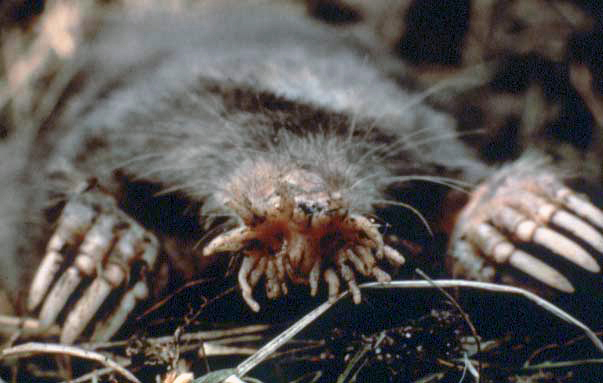
The star-nosed mole might be one of the strangest-looking creatures on Earth. This small mammal sports a ring of 22 pink, fleshy tentacles radiating from its snout like a bizarre alien flower. But this odd appendage isn’t just for show—it’s an incredibly sophisticated sensory organ that makes Condylura cristata a true marvel of evolution.
This remarkable animal holds the Guinness World Record as the fastest-eating mammal on the planet, capable of identifying and consuming prey in less than one-fifth of a second. The mole can determine whether something is edible in just 8 milliseconds, a speed that seems almost impossible for any creature to achieve. Its strange tentacled nose contains more nerve endings than a human hand, giving it what scientists believe is the most sensitive sense of touch in the animal kingdom.
Found in the wetlands and marshes of eastern North America, this member of Mammalia and the order Eulipotyphla lives a life split between underground tunnels and swimming through ponds and streams. It’s perfectly adapted to hunt both on land and underwater, where it has the rare ability to sniff out prey while submerged—something almost no other mammal can do.
Meet the Star-Nosed Mole: Its Unusual Face and Anatomy
The star-nosed mole (Condylura cristata) stands out as one of nature’s most peculiar mammals, sporting a ring of 22 pink, fleshy tentacles around its snout that function as an incredibly sensitive touch organ. This distinctive appendage is packed with specialized mechanoreceptors that allow the mole to navigate and hunt with remarkable precision.
Overview of the Star-Shaped Nose
The star-nosed mole’s distinctive nose measures about 1 cm across, making it slightly smaller than a human fingertip. Despite its compact size, this highly specialized sensory-motor organ dominates the mole’s face and sets it apart from the 38 other species in the Talpidae family.
The star consists of 22 pink, fleshy appendages arranged in a ring pattern around the nostrils. These tentacles range from 1 to 4 mm in length, with 11 appendages on each side creating a symmetrical star pattern.
The nose remains hairless and stays in constant motion as the animal explores its environment. When the mole hunts, it bobs its head continuously, touching the star against the soil as quickly as possible—it can touch 10 or 12 different places in a single second.
The Function of 22 Tentacles
Each of the 22 tentacles serves as a highly sensitive touch receptor that helps the Condylura navigate its dark underground world. Since the mole is nearly blind, it relies entirely on touch to locate prey and move through its tunnels.
The tentacles work together to create a detailed sensory map of the mole’s surroundings. With each touch, information streams to the brain, building a picture of what’s nearby. This constant probing allows the mole to detect tiny prey items like insects and worms hidden in the soil.
The star’s design appears chaotic, but it’s actually a precise system. The mole systematically scans its environment, processing information from multiple tentacles simultaneously to build a complete understanding of its world.
Eimer’s Organs: The Ultimate Touch Receptors
The star’s incredible sensitivity comes from structures called Eimer’s organs—specialized mechanoreceptors packed densely throughout each tentacle. With 100,000 nerve fibers sending information to the mole’s brain with each touch, the star contains five times more touch sensors than the entire human hand.
These Eimer’s organs convert physical contact into electrical signals that the nervous system can process. The density and efficiency of these receptors make the star one of the most sensitive touch organs in the animal kingdom.
The brain processes this massive influx of sensory data through a specialized neural structure. A giant star-shaped pattern is imprinted directly into the brain’s anatomy, mirroring the physical star on the mole’s face and allowing it to rapidly interpret the tactile information it receives.
Record-Breaking Speed: Why It’s the Fastest-Eating Mammal
The star-nosed mole holds the title of fastest-eating mammal due to its ability to detect and consume prey in just 120 to 227 milliseconds. This remarkable speed is powered by lightning-fast neural processing and an incredibly efficient foraging strategy that maximizes caloric intake.
How It Identifies and Eats Prey in Milliseconds
The star-nosed mole’s brain decides if prey is edible in approximately 8 milliseconds, operating at the physical limit of neuron speed. Once it touches potential food with its 22 tentacles, the sensory information travels to the brain almost instantaneously.
The mole’s tentacles contain five times more touch-sensitive nerve fibers than a human hand. This massive sensory input allows it to rapidly scan its environment and make split-second feeding decisions.
After identification, the entire process of consuming individual food items takes as little as 120 milliseconds on average. This means the mole can evaluate, grab, and swallow prey faster than a human can blink. The tentacles don’t smell or see—they purely feel, creating a touch-based “image” of everything around them.
Handling Time and Foraging Efficiency
Handling time refers to how long it takes an animal to process each food item, and the star-nosed mole has perfected this to near perfection. The mole’s exceptional speed makes small prey surprisingly profitable despite their tiny size.
This efficiency makes it the fastest forager among mammals. It feeds primarily on earthworms, aquatic insects, and small amphibians found in wet soil and shallow water. Each morsel might be tiny, but the mole compensates by eating constantly and rapidly.
The star functions like an eye, with a central high-resolution area for detailed examination and peripheral areas for broad detection. This organization lets it quickly scan large areas while focusing on promising targets.
High Metabolism and Food Requirements
The star-nosed mole consumes 50% or more of its body weight daily to fuel its high metabolism. Its semi-aquatic lifestyle and constant foraging require enormous energy expenditure.
Living in cold, wet environments means the mole burns calories just maintaining body temperature. Its small size also contributes to rapid heat loss, demanding continuous food intake. Without its record-breaking eating speed, the animal simply couldn’t consume enough calories to survive.
The mole spends most of its waking hours hunting earthworms and aquatic insects in underwater tunnels and muddy soil. This relentless pace of feeding is only sustainable because it can process food items so incredibly fast.
Super Senses: Touch, Smell, and Brain Power
The star-nosed mole’s bizarre appearance isn’t just for show—each of its 22 pink tentacles contains thousands of specialized sensory receptors that make it one of nature’s most efficient hunters. Kenneth Catania’s research has revealed how this tiny mammal’s nervous system processes touch information faster than any other animal and even manages to smell underwater.
Using the Nose to Navigate and Hunt
The star-shaped nose functions as an incredibly sensitive touch organ covered entirely with specialized structures called Eimer’s organs. Each star contains approximately 25,000 of these touch organs innervated by 100,000 myelinated nerve fibers.
These Eimer’s organs house mechanoreceptors that detect even the slightest vibrations and textures in the soil. The central pair of tentacles, known as rays 11, acts as a tactile “fovea”—similar to how the eye’s fovea focuses vision. The mole uses these central rays for detailed investigations of objects through touch, examining potential prey items with extreme precision.
This remarkable adaptation allows the mole to process tactile information faster than any other mammal, essentially navigating its dark underground world through touch alone. The animal sweeps its nose back and forth rapidly, gathering sensory data about its surroundings at speeds that seem impossible.
Smelling Underwater: The Bubble Technique
Star-nosed moles possess a unique ability among mammals: they can smell underwater by blowing bubbles through their nostrils. This extraordinary technique involves exhaling air bubbles onto submerged objects or scent trails, then quickly inhaling them back in—several times per second.
The bubbles spread over objects the mole is exploring, collecting odorant molecules from the water. This strategy allows the animal to follow underwater scent trails while hunting for aquatic prey. Unlike the 38 other mole species, star-nosed moles can swim and have this unique ability to smell underwater.
The discovery surprised biologists who previously believed olfaction couldn’t function in aquatic environments.
The Brain’s Sensory Processing
The star-nosed mole’s brain contains visible sensory maps that directly correspond to its facial tentacles. When properly sectioned and stained, the neocortex reveals a series of dark stripes—each representing a nasal ray from the opposite side of the star.
The brain dedicates disproportionately large processing areas to the 11th rays. This enlargement of the tactile fovea’s representation reflects its importance, much like how the retinal fovea has an oversized area in visual cortex.
The animals can identify individual prey in less than two-tenths of a second and determine in just 8 milliseconds whether it is edible. This neural efficiency enables the species to perform the fastest sensory discriminations of any mammal.
Habitat and Distribution Across North America
The star-nosed mole thrives in wet, low-elevation areas throughout eastern North America, where its specialized adaptations allow it to exploit both aquatic and terrestrial environments. These small mammals have carved out a unique niche in marshes, swamps, and wetland areas from eastern Canada through the northeastern United States.
Wetland Preferences and Adaptations
Star-nosed moles inhabit moist, low-elevation areas primarily in the northeastern parts of North America. Their range extends from eastern Canada through the eastern United States, with significant populations in the Great Lakes region and the Appalachian Mountains.
These creatures prefer wetland habitats where the soil remains consistently damp. They’re commonly found in marshes, swamps, and along streambanks where the ground stays soft enough for easy digging. The moisture-rich environment supports abundant invertebrate populations that serve as their primary food source.
Their water-repellent fur keeps them dry while moving through wet soil and shallow water. This specialized coat allows them to transition seamlessly between their underground tunnel systems and aquatic hunting grounds without becoming waterlogged.
Life as a Semiaquatic Mammal
The star-nosed mole functions as a semiaquatic mammal, spending considerable time both underground and in water. Unlike most mole species that avoid water, these animals are excellent swimmers and often hunt for prey in ponds, streams, and wetland pools.
They use their powerful front claws to propel themselves through water with surprising agility. Their sensitive star-shaped nose works just as effectively underwater as it does on land, allowing them to detect prey in murky conditions where vision would be useless.
During winter months, they remain active beneath the ice, accessing water through their tunnel systems. This year-round activity pattern sets them apart from many other small mammals in their range.
Tunnels, Burrows, and Daily Activity
These moles possess powerful claws for digging tunnels in swamps and other wetland environments. Their tunnel networks typically run just below the surface in soft, muddy soil, creating extensive underground highway systems.
They construct multiple types of tunnels for different purposes. Shallow foraging tunnels sit just inches below the surface, while deeper tunnels provide protection and nesting chambers. Many tunnel exits open directly into water, giving them quick escape routes and additional hunting access.
Star-nosed moles remain active throughout the day and night, operating in short bursts of activity. They don’t hibernate and continue digging tunnels even during winter months when the ground freezes. Their high metabolism demands constant food intake, driving their relentless search for prey both above and below water.
What They Eat: A Diverse Diet of Land and Aquatic Prey
The star-nosed mole consumes an impressive 50% or more of its body weight daily, fueling its hyperactive lifestyle with a menu that spans both terrestrial and aquatic environments. This voracious appetite drives them to hunt in wetlands, underground tunnels, and beneath the water’s surface.
Favorite Foods: Earthworms to Amphibians
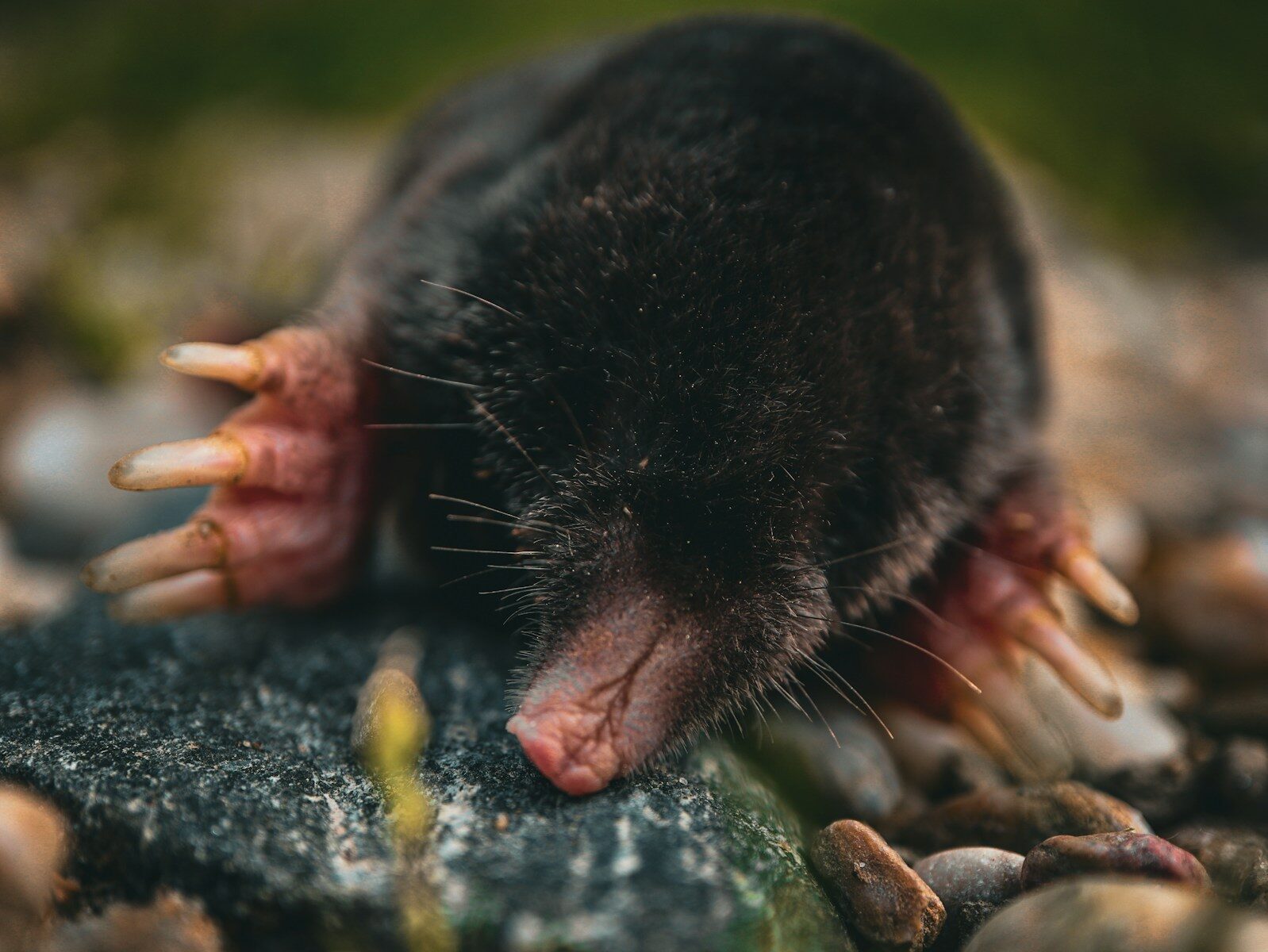
Earthworms rank among the top prey items for these hungry hunters, providing protein-rich meals that are easy to find in their moist soil habitats. The star-nosed mole has black fur and wide forefeet perfect for digging through earth to uncover grubs and beetles hiding underground.
Their diet extends far beyond simple invertebrates. When foraging near water, they actively pursue mollusks, aquatic insects, and small amphibians. Small fish occasionally end up on the menu too, though they’re less common catches.
Common prey items include:
- Earthworms and grubs
- Beetles and other insects
- Mollusks
- Aquatic insects
- Small amphibians
- Small fish
Foraging on Land vs. Underwater
These moles spend more time hunting in water than on land, which sets them apart from their cousins. Their dense waterproof coat and paddle-like limbs make them excellent swimmers, while their tail acts as a rudder during underwater pursuits.
The star-nosed mole can smell underwater by blowing bubbles and then re-inhaling them to capture scent molecules. This bizarre technique gives them a hunting advantage that few other mammals possess. They’ve even been spotted swimming beneath ice during winter months, searching for food when other animals have retreated to warmer spots.
Role in Their Ecosystem
Star-nosed moles help control insect and invertebrate populations in wetland areas. Their constant tunneling aerates soil and improves water drainage in marshy habitats.
They serve as prey for birds of prey, weasels, skunks, foxes, and snakes when venturing above ground. This positions them as a middle link in the food chain, transferring energy from small invertebrates to larger predators.
Life Cycle, Social Behavior, and Conservation
The star-nosed mole mates in late winter or early spring, producing litters of typically four or five young, while evidence suggests these Talpidae members may live in groups rather than alone. Though currently listed with a favorable conservation status, these unique mammals face pressures from habitat destruction like other Eulipotyphla species.
Breeding, Growth, and Lifespan
Star-nosed moles breed during late winter or early spring months. The female gives birth to one litter in late spring or early summer, though she’ll have a second litter if the first one fails.
Each baby measures about 5 cm long at birth and weighs roughly 1.5 grams. The newborns are completely hairless, and their eyes, ears, and distinctive star remain sealed shut. Around 14 days after birth, these features open and become functional.
The young moles gain independence after approximately 30 days. They reach full maturity at 10 months old.
Social Interactions and Colonies
Little concrete information exists about the social behavior of star-nosed moles, but researchers suspect they live in colonies rather than as solitary animals. This sets them apart from many other mole species that prefer living alone.
The evidence for colonial living comes from field observations, though the exact nature of their social interactions remains unclear. Whether they cooperate, compete, or simply tolerate each other’s presence in shared tunnel systems hasn’t been fully documented.
Threats and Conservation Status
The star-nosed mole is classified as Least Concern by the IUCN, indicating stable populations across their range. Their predators include red-tailed hawks, great horned owls, barn owls, screech owls, foxes, weasels, minks, skunks, mustelids, northern pike, and domestic cats.
Habitat destruction poses the primary threat to these animals. They depend on wet lowland areas, marshes, and poorly drained habitats. Development and drainage of wetlands can eliminate suitable living areas.
Human activity that alters water tables or fills in marshy areas directly impacts star-nosed mole populations by removing their preferred hunting and tunneling grounds.