A Single Strand of Spider Silk Is Stronger Than Steel of the Same Diameter — Researchers Are Trying to Synthesize It for Body Armor, Sutures, and Aerospace
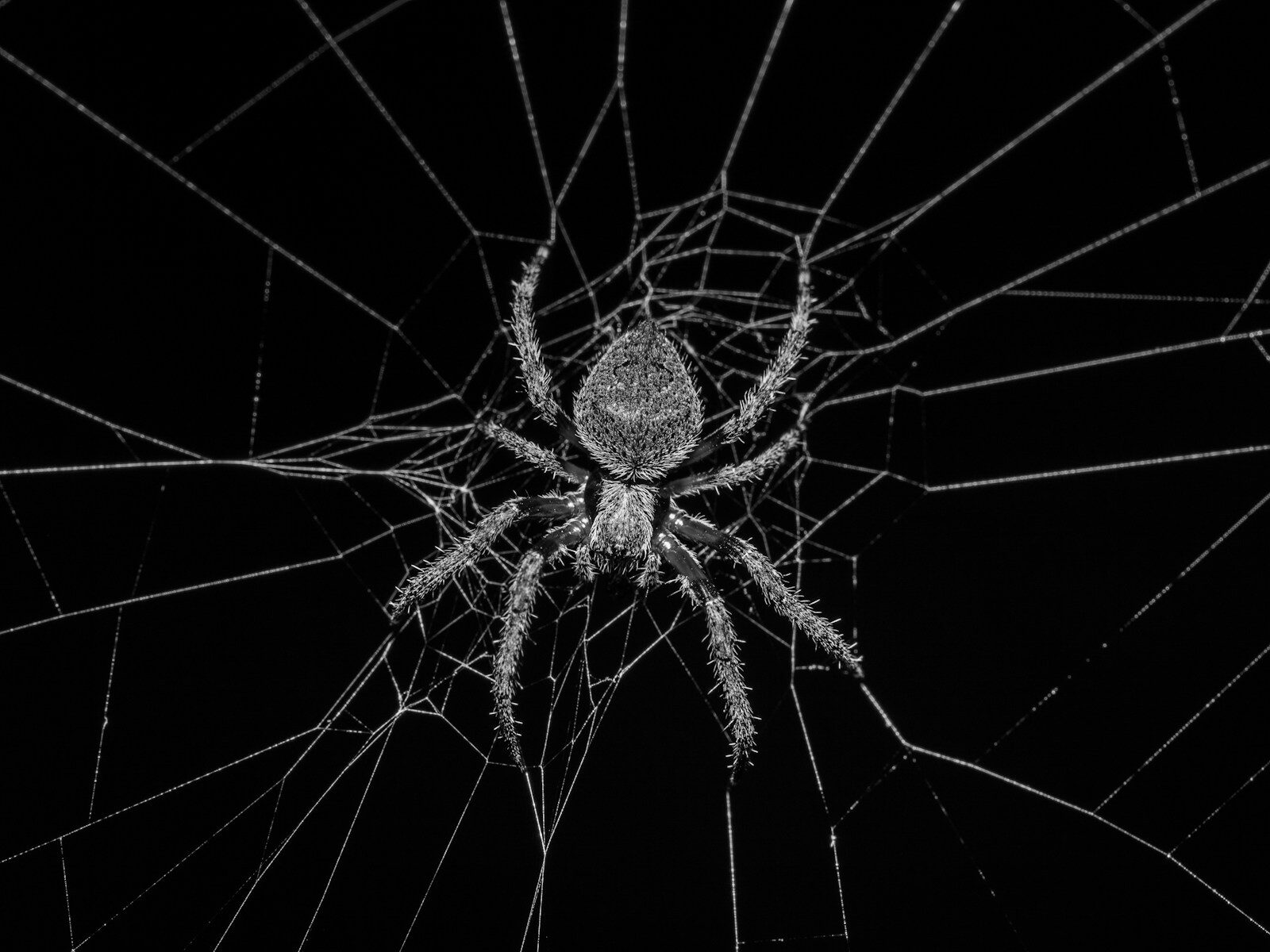
Spider silk possesses a remarkable property that has captivated scientists and engineers for decades. When comparing materials by weight, spider silk is approximately five times stronger than steel, making it one of nature’s most impressive structural materials. A single strand of this biological fiber, thinner than a human hair, can withstand forces that would snap a steel wire of equivalent diameter.
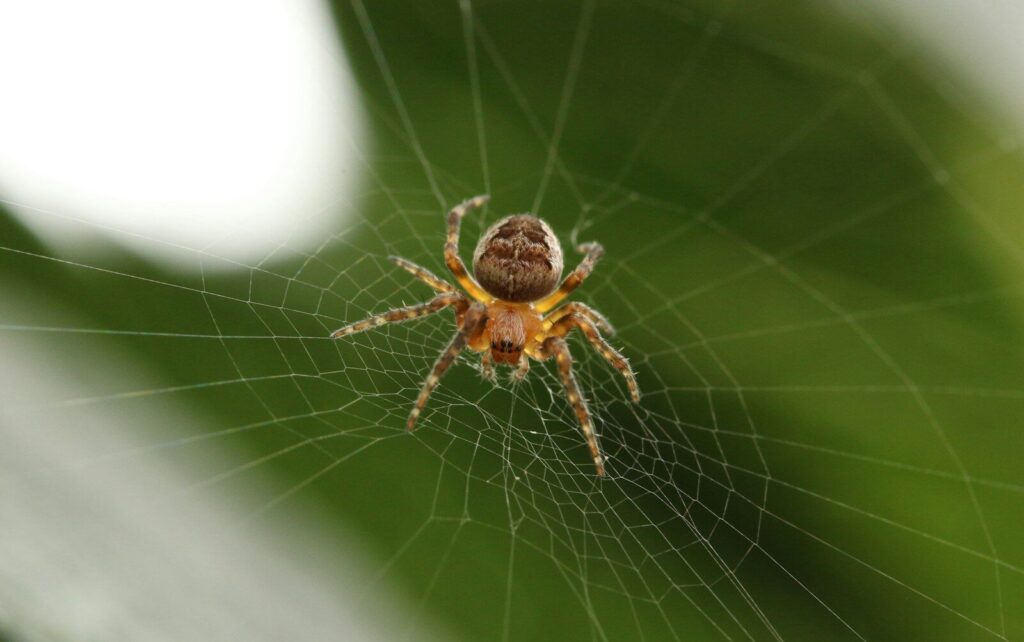
What makes this natural material even more intriguing is its combination of strength and flexibility. While steel is rigid and breaks under stress, spider silk can stretch significantly before snapping. This unique blend of properties has researchers racing to unlock the secrets of how spiders manufacture such extraordinary fibers at room temperature using only protein and water.
The potential applications are vast and transformative. Scientists are working to synthesize artificial versions of this super-material for everything from lightweight body armor and medical sutures to components for aerospace engineering. Understanding the molecular structure that makes spider silk stronger than steel could revolutionize materials science and bring science fiction closer to reality.
Breaking Down the Strength: Why Spider Silk Outperforms Steel
Spider silk achieves its remarkable performance through a unique combination of high tensile strength, exceptional elasticity, and an unbeatable strength-to-weight ratio that leaves steel far behind in practical applications.
Comparing Strength and Elasticity
When scientists examine spider silk’s tensile strength, they find it can be five times stronger than steel of the same diameter. This comes from its unique structure—each strand contains thousands of nanostrands only 20 millionths of a millimeter in diameter that work together like a microscopic cable.
But raw strength only tells part of the story. Spider silk can stretch up to 40% of its original length before breaking, while steel snaps at just 8% elongation. This elasticity gives spider silk a flexibility that rigid materials like steel simply can’t match.
The combination of strength and stretch creates what materials scientists call “toughness”—the ability to absorb energy without breaking. Steel might be stiff, but spider silk is nowhere near as stiff as steel, which actually works in its favor for many applications.
Toughness and Energy Absorption
Spider silk is tougher than Kevlar, the material used in bulletproof vests and parachute cords. The Darwin’s bark spider produces silk with a tensile strength up to 520 MJ/m³, while steel maxes out at approximately 6 MJ/m³.
This massive difference in energy absorption comes from spider silk’s protein structure. The silk contains both crystalline regions that provide strength and amorphous regions that allow flexibility. When force is applied, these regions work together to distribute stress throughout the material.
The parallel nanostrands also prevent catastrophic failure. If one nanostrand breaks, thousands of others continue holding the load—unlike steel, which can crack and fail suddenly.
Strength-to-Weight Ratios
By weight, certain spider silks can be up to five times stronger than steel, with dragline silk being particularly impressive. A strand of spider silk 1000 times thinner than a human hair can support proportionally enormous loads.
If engineers could scale up spider silk to human dimensions, it would be tough enough to stop a jetliner. This incredible strength-to-weight ratio makes it ideal for applications where every gram matters—aerospace components, medical sutures, and lightweight body armor.
Steel’s density works against it in weight-sensitive applications. Spider silk delivers comparable or superior strength at a fraction of the weight, which is why researchers are racing to synthesize it artificially.
The Molecular and Nanostructure of Spider Silk
Spider silk’s exceptional strength comes from a complex arrangement of protein structures that work together at multiple scales, from individual molecular bonds to bundled nanofibers that give each strand its incredible durability.
Protein Chains and Spidroins
Spider silk proteins, called spidroins, form the foundation of every silk fiber. These specialized proteins contain repetitive amino acid sequences that allow them to self-assemble into organized structures. Spidroins are massive molecules, often containing thousands of amino acids arranged in specific patterns.
The protein chains consist of two main regions: crystalline domains and amorphous sections. Crystalline regions provide strength through tightly packed structures, while amorphous areas contribute flexibility and elasticity. This combination lets spider silk absorb significant energy without breaking.
Different spider species produce various types of spidroins for different purposes. Dragline silk, which spiders use as their main structural thread, contains particularly strong spidroin compositions that contribute to its steel-surpassing properties.
Nanostrands, Nanofibrils, and Beta-Sheets
Scientists discovered that spider silk fibers are composed of thousands of nanostrands bundled together. Using an atomic force microscope, researchers examining brown recluse spider silk found that each strand contains nanostrands only 20 millionths of a millimeter in diameter.
These nanostrands run parallel to each other like tiny cables. Research published in ACS Macro Letters revealed that nanostrands measure at least 1 micron long, which is 50 times their width on the nanoscale.
Within these structures, proteins fold into beta-sheet formations. Beta-sheets create flat, pleated arrangements where protein chains align side by side. Researchers have disassembled spider silk into 10 nm-diameter nanofibrils, demonstrating that these tiny structures can even be produced through molecular self-assembly under specific conditions.
Hydrogen Bonds and Crystal Regions
Hydrogen bonds connect the beta-sheet structures and hold spider silk together at the molecular level. These bonds form when hydrogen atoms create weak attractions between different parts of the protein chains. While individual hydrogen bonds are relatively weak, thousands of them working together create formidable strength.
The crystalline regions in spider silk contain densely packed beta-sheets stabilized by these hydrogen bonds. Recent discoveries about molecular interactions show how these arrangements give spider silk its exceptional combination of strength and flexibility. The crystal regions act as hard reinforcement points distributed throughout the fiber.
Between crystalline areas, semi-amorphous regions contain less organized protein structures. This architecture allows the silk to stretch significantly before breaking, distributing stress throughout the material rather than concentrating it at weak points.
The Spider Silk Spinning Process in Nature
Spiders transform liquid silk proteins into solid fibers through a sophisticated biological process involving specialized organs, precise chemical changes, and mechanical manipulation techniques that scientists are still working to fully understand and replicate.
Role of the Spinneret and Spinning Duct
The spinneret acts as the spider’s silk production factory, housing glands that store liquid silk proteins called spidroins. These proteins remain soluble in water until they’re ready to be transformed into solid thread. The spinning process relies on liquid crystalline properties that allow spiders to draw the material into hardened fibers using minimal force.
As the silk solution travels through the spinning duct, it undergoes dramatic changes. Acidification and liquid-liquid phase separation work together to trigger the transformation from liquid to solid. The pH drops along the duct, causing the proteins to align and bond into crystalline structures.
Temperature and ion concentration also shift during this journey. The duct removes water and adds specific ions that help the proteins fold correctly. This entire conversion happens at room temperature with water as the solvent, making it far more efficient than any industrial fiber production method humans have developed.
Drawing and Looping Techniques
Spiders actively pull silk from their spinnerets using their legs, applying tension that helps align protein molecules into strong parallel structures. This drawing process is crucial because it organizes the otherwise random protein chains into orderly formations that give silk its remarkable strength.
The speed at which a spider pulls the silk affects the final fiber’s properties. Faster pulling creates different molecular alignments than slower extraction. Spinning conditions significantly influence the mechanical response of the finished silk fibers, meaning spiders can adjust their technique based on what they need the silk to do.
Some spiders use looping techniques where they attach silk to surfaces in specific patterns. The golden silk orb weaver, for instance, creates intricate web structures by combining different pulling speeds with precise leg movements to control fiber diameter and strength at various points in the web.
Types of Silk and Their Functions
Spiders produce multiple types of silk from different glands, each optimized for specific tasks. Dragline silk forms the framework of webs and serves as a safety line when spiders drop from heights. This type is what scientists refer to when they say spider silk is five times stronger than steel by weight.
Capture spiral silk is stretchy and coated with sticky glue droplets to trap prey. Egg sac silk provides protection for developing spiderlings, while attachment disc silk anchors threads to surfaces. Each variety has distinct protein compositions and mechanical properties tailored to its function.
The brown recluse produces silk for ground webs and egg cases that demonstrates exceptional tensile strength. Different spider species specialize in particular silk types, with some producing up to seven varieties from separate glands within their spinnerets.
Bioinspired and Synthetic Spider Silk: Current Progress
Scientists have developed multiple approaches to create artificial spider silk, from genetically modifying organisms to using computational models that predict protein structures. Recent breakthroughs have produced fibers that match or even exceed natural spider silk’s performance.
Engineered and Bioengineered Silk
Researchers have successfully produced spider silk proteins through genetic engineering, creating bioengineered silk that draws inspiration from spiders, silkworms, and other organisms. Companies like Bolt Threads and Spiber have pioneered commercial-scale production using fermentation processes with genetically modified microorganisms.
A major breakthrough came in 2023 when scientists synthesized spider silk from genetically modified silkworms, producing fibers six times tougher than Kevlar. This marked the first successful production of spider silk proteins in silkworms at scale.
Key Production Methods:
- Bacterial fermentation systems
- Genetically modified silkworms
- Yeast-based protein expression
- Transgenic plant production
These bioinspired materials can be engineered to meet specific end uses and performance goals, unlike farming actual spiders which remains impractical.
Challenges in Mimicking Spider Silk
Creating artificial spider silk that matches natural performance requires replicating its complex hierarchical structure, from primary protein sequences to nanoscale organization. Constructing a multiscale structure similar to spider silk through new strategies of polymer synthesis and molecular assembly remains a core technical bottleneck.
The mechanical properties of spider silk stem from its hierarchical structure, including spidroins, nanofibrils, and specialized “core-shell” and “nano-fishnet” architectures. Researchers struggle to replicate the natural spinning process where spiders convert liquid proteins into solid fibers through precise control of pH, ion concentration, and mechanical forces.
Production challenges include:
- Scaling up protein synthesis economically
- Replicating natural spinning conditions
- Achieving consistent fiber quality
- Maintaining biocompatibility and biodegradability
Advances in Protein Engineering and Spinning
Two main routes have emerged for fabricating artificial spider silk fibers. The biomimetic method produces spidroins under native-like conditions and spins them through processes that capture natural molecular mechanisms. The alternative approach uses computational models to design optimized protein sequences that may surpass natural silk.
Recent advances focus on recombinant spider silk proteins that offer scalable and engineerable alternatives with tunable sequences and modular architectures. Scientists can now adjust amino acid compositions to enhance specific properties like tensile strength or elasticity.
Spinning techniques have evolved to better mimic how spiders process proteins through their spinnerets, using microfluidic devices and controlled shear forces to align protein molecules properly.
Testing and Analyzing the Performance of Silk Fibers
Scientists use advanced microscopy and mechanical testing to measure spider silk’s incredible strength, while computational models help predict how the material behaves under different conditions.
Tensile Testing and Spectroscopy
Tensile testing measures how much force spider silk can withstand before breaking, revealing that it’s five times stronger than steel of the same weight. Researchers pull silk strands in controlled environments to determine their tensile strength, elasticity, and toughness. These tests show spider silk can stretch significantly before snapping, unlike rigid materials that break suddenly.
Scientists also rely on atomic force microscopy to examine silk at the nanoscale. Hannes Schniepp and his team used this technique to discover that each silk fiber contains thousands of nanostrands only 20 millionths of a millimeter in diameter. Brown recluse spider silk proved particularly useful for analysis because its flat ribbon shape makes it easier to examine under powerful microscopes compared to the cylindrical fibers produced by most species.
Spectroscopy techniques help identify the molecular structure and chemical bonds within silk proteins. These methods reveal how protein chains align and interact to create the material’s exceptional mechanical properties.
Role of Experiments and Computational Models
Computational models simulate how silk fibers respond to stress, temperature changes, and stretching forces without requiring extensive lab testing. These digital predictions help researchers understand why certain molecular arrangements produce stronger fibers than others. Scientists combine experimental data from tensile tests with computer simulations to identify which structural features contribute most to silk’s performance.
Research teams use these models to test thousands of theoretical silk compositions virtually before creating physical samples. This approach speeds up the development of synthetic alternatives and reduces costs. The models also help explain how factors like humidity and temperature affect silk’s mechanical properties during real-world applications.
Applications and Future Outlook for Spider Silk Materials
Spider silk’s combination of strength, flexibility, and biocompatibility positions it for transformative uses across medicine, defense, and engineering. Researchers are working to harness these properties for products ranging from surgical materials to protective gear.
Medical Sutures and Biodegradable Materials
Spider silk shows significant promise in medical applications due to its biocompatibility and biodegradability. Medical sutures made from spider silk could offer advantages over traditional materials because the body can naturally break them down without triggering inflammatory responses.
The material’s natural elasticity makes it ideal for wounds that experience movement during healing. Spider silk sutures wouldn’t need removal in many cases, reducing patient discomfort and follow-up procedures.
Beyond simple stitches, researchers are exploring spider silk for drug delivery systems and wound dressings. The protein structure allows medications to be incorporated directly into the fibers, providing controlled release at injury sites. Biodegradable sutures made from synthetic spider silk could revolutionize surgical procedures by eliminating foreign material retention in the body.
Aerospace, Body Armor, and Everyday Uses
The fact that spider silk is five times stronger than steel by weight and three times stronger than Kevlar makes it attractive for protective applications. Body armor manufacturers are investigating synthetic spider silk as a lightweight alternative to current ballistic materials.
Aerospace engineers see potential in spider silk composites for aircraft and spacecraft components. The material’s strength-to-weight ratio could reduce fuel consumption while maintaining structural integrity. Scientists are also creating “supersilk” through genetic engineering breakthroughs to enhance these properties further.
Everyday applications include:
- Textiles and fabrics with enhanced durability
- Ropes and cables for industrial use
- Sports equipment requiring high tensile strength
- Automotive parts needing lightweight reinforcement
Potential for Tendons, Ligaments, and Beyond
Spider silk’s mechanical properties closely mirror those of human tendons and ligaments, making it a candidate for tissue engineering. The material can stretch and return to its original shape repeatedly, which matches the demands placed on connective tissues during movement.
Researchers are developing synthetic spider silk tailored for specific performance needs in medical implants. Artificial ligaments and tendons made from spider silk could provide better long-term outcomes than current synthetic options. The material’s ability to integrate with human tissue while maintaining mechanical strength addresses key limitations in reconstructive surgery.
Scientists are also exploring nerve regeneration scaffolds made from spider silk proteins. These structures could guide nerve cell growth after injuries, potentially restoring function in damaged neural pathways.