

Pet Owners Spending Over $1,500 a Year on Premium Kibble Are Learning That Many Brands Skip the Bioavailable Nutrients That Joint and Coat Health Need
Pet owners are pouring serious money into what they believe are the best food options for their furry companions. Americans will spend $67.8 billion on pet food in 2025, with many households shelling out $1,500 or more annually on premium kibble brands that promise superior nutrition and health benefits.
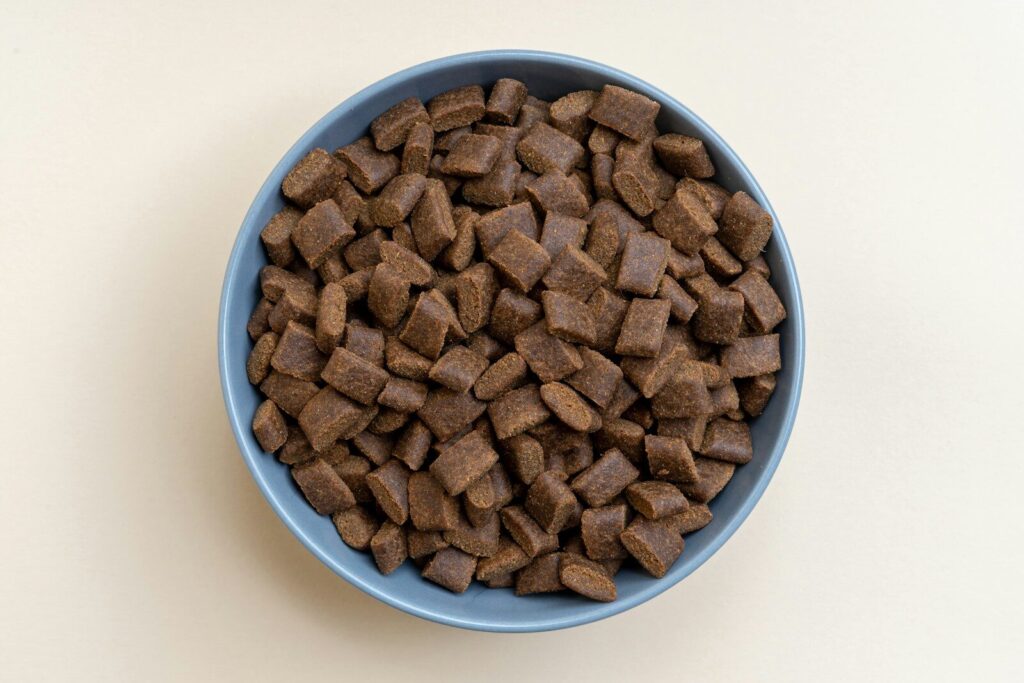
The problem is that many expensive pet food brands are missing the bioavailable nutrients that actually support joint mobility and coat shine, leaving pets malnourished despite their owners’ best intentions and hefty grocery bills. While the packaging might tout impressive ingredient lists and scientific-sounding formulas, the nutrients pets can actually absorb and use often fall short of what their bodies need for optimal health.
Understanding which brands deliver real nutritional value versus clever marketing requires knowing what to look for on labels, how to evaluate ingredient quality, and whether those premium dollars might be better spent elsewhere. The gap between price tags and actual pet wellness is wider than most owners realize, and closing it starts with learning what bioavailable nutrition really means for dogs and cats.
What Drives Pet Owners to Spend on Premium Kibble?
Pet owners are increasingly willing to pay premium prices for what they perceive as better nutrition, with spending driven by emotional bonds with their pets and targeted marketing around quality ingredients. Economic pressures haven’t stopped growth in high-end pet food categories, though cost concerns are reshaping how people shop.
Understanding the Rise in Pet Costs
Pet food represents the largest category of pet spending. Dog owners now spend an average of $287 annually on food while cat owners spend $254, according to pet food industry statistics for 2026.
The total US pet industry reached $147 billion in 2023. Pet food accounts for the majority of this spending, with projections showing the market hitting $126.66 billion in 2024.
Spending among US pet owners remains strong, particularly among higher-income households. However, rising costs are creating concerns even for affluent pet parents. The 97% of pet owners who consider their pets family members are driving this willingness to spend despite economic uncertainty.
Trends in Premium Pet Food Purchases
Premium and organic pet food markets are growing at 2-3 times the rate of the overall industry average. This phenomenon, known as premiumization, has become the primary driver of dollar sales growth in the pet industry.
Premiumization and private label products are fueling growth from both ends of the market. In-store sales grew 10.5% while online sales increased 16.7%, with pet owners largely undeterred by price increases.
Premium purchases now represent 42% of all dog food sales. The demand for human-grade dog food continues to grow despite eye-watering price tags, attracting both dog and cat owners to these premium offerings.
Spotlight on All Categories and Featured Selections
E-commerce now accounts for 20% of pet food sales, with online platforms featuring all categories of premium products prominently. Direct-to-consumer channels appeal particularly to Gen Z and Millennials who value convenience and use subscription services.
Featured selections on retail apps and websites highlight premium ingredients, sustainability claims, and health benefits. Brand reputation and trust play key roles in purchase decisions, especially as consumers navigate thousands of product options.
Brick-and-mortar retailers are transforming their approach to compete. Some brands now operate standalone retail kitchens where customers can observe food preparation, creating transparency around premium product claims and justifying higher price points through direct engagement.
Bioavailable Nutrients: Why Joint and Coat Health Matter
Premium pet foods often list impressive nutrient panels, but the body’s ability to actually absorb and use those nutrients determines whether a dog or cat experiences real health benefits. Joint mobility and coat condition serve as visible indicators of whether a pet’s diet delivers truly usable nutrition.
Key Nutrients Often Missed by Top Brands
Many expensive kibbles contain protein sources, but the quality and digestibility of those proteins vary dramatically between formulations. Adult dogs need protein levels of 25-30% on a dry matter basis, yet some premium brands use low-quality proteins that pets struggle to absorb.
Essential fatty acids play a critical role in both joint lubrication and coat health. Linoleic acid should exceed 1% of dry matter, while omega-3 fatty acids EPA and DHA help reduce inflammation in joints and skin.
Mineral deficiencies cause noticeable problems quickly. Zinc deficiency leads to hair loss, skin ulcers, and cracked paw pads, while copper deficiency creates a dull coat with patchy hair loss. These minerals must be present in forms that pets can actually absorb, not just listed on the guaranteed analysis panel.
Collagen peptides support mobility and healthy skin when properly processed for bioavailability, yet many brands skip these beneficial ingredients entirely.
The Science Behind Nutrient Bioavailability
Bioavailability refers to the proportion of a nutrient that enters circulation and reaches target tissues. Pet food nutrients aren’t created equal, and a guaranteed analysis doesn’t reveal how much nutrition pets actually absorb.
Processing methods significantly impact nutrient availability. High-heat extrusion used in kibble manufacturing can denature proteins and destroy heat-sensitive vitamins. Fat quality matters too—cold-water marine fish provide more bioavailable omega-3s than plant-based alternatives.
Overall digestibility should exceed 80% for optimal nutrient absorption. Poor-quality ingredients pass through the digestive system without providing nutritional value, meaning pet owners pay premium prices for nutrients their animals can’t use. This explains why some pets on expensive diets still develop joint stiffness or dull coats that lead to increased vet bills.
Connection to Pet Longevity and Wellness
Joint and coat problems often emerge as early warning signs of nutritional inadequacy. Up to 25% of veterinary visits involve skin and coat issues, many of which stem from diet-related factors that proper nutrition could prevent.
Chronic inflammation from poor nutrition accelerates aging and increases disease risk. Pet owners may find themselves facing higher pet insurance premiums or unexpected expenses when preventable conditions develop. The American Pet Products Association tracks rising spending on pet health, with much of that increase driven by conditions that adequate bioavailable nutrients might have prevented.
Nutritional strategies for managing joint health focus on evidence-based interventions that address root causes rather than symptoms. Pets receiving truly bioavailable nutrients typically maintain better mobility into their senior years and require fewer medical interventions throughout their lives.
The Real Cost of Premium Kibble vs. True Pet Health
Pet owners dropping $1,500 annually on premium kibble often discover the price tag doesn’t guarantee their pets absorb the nutrients advertised on the bag. The gap between what’s listed on nutrition labels and what actually benefits joint mobility or coat shine can be substantial.
Premium Kibble Pricing Breakdown
A 50-pound dog eating premium kibble typically costs owners between $720 and $1,260 annually according to detailed cost breakdowns from 2025. That translates to $2.00 to $3.50 per day, or $60 to $105 monthly.
Monthly costs for different dog sizes:
- Small dogs (10-20 lbs): $40-70
- Medium dogs (30-50 lbs): $60-105
- Large dogs (60-90 lbs): $90-150
- Giant breeds (100+ lbs): $120-200
These figures don’t account for special formulas marketed for joint health or coat improvement, which can push costs 20-30% higher. Pet owners juggling these expenses alongside pet insurance premiums and routine vet visits find themselves spending well over $2,000 annually on basic pet care before emergencies arise.
Many premium brands justify higher prices by listing glucosamine, chondroitin, and omega fatty acids on their labels. However, the bioavailability of these additives—how much the pet’s body actually absorbs—rarely gets disclosed.
Comparing Nutrition Labels and Their Claims
Premium dog food labels promise enhanced joint support and lustrous coats, but reading labels requires detective work to determine actual nutritional value. The ingredient list might show “glucosamine hydrochloride” near the bottom, indicating minimal amounts that won’t meaningfully impact joint health.
What labels don’t reveal:
- Bioavailability percentages of nutrients
- Processing temperatures that destroy vitamins
- Actual absorption rates in the digestive system
- Source quality of added supplements
A premium kibble might contain 400mg of glucosamine per cup, but if only 15-20% gets absorbed due to processing methods or chemical form, the pet receives far less than what’s needed for joint support. Research shows dogs with arthritis typically need 500-1,000mg of absorbed glucosamine daily to see improvements.
The same issue applies to omega fatty acids for coat health. Labels list total omega-3 content, but they don’t specify EPA and DHA levels—the specific forms that actually benefit skin and fur. Many kibbles rely on plant-based omega-3s from flaxseed, which dogs convert poorly compared to fish-based sources.
Is the Extra Spend Worth It for Your Pet?
Pet owners paying premium prices expect visible health improvements, but many see limited changes in their pet’s joint mobility or coat condition. The disconnect happens because kibble processing—high heat and extended storage—degrades the very nutrients owners pay extra to obtain.
Studies referenced in analyses of premium versus budget pet foods show that while premium options may reduce some health issues, the improvements don’t always justify spending triple or quadruple the cost of mid-range options. Dogs fed premium kibble showed better gut health markers, but joint and coat improvements were less consistent.
Pet owners should calculate whether premium kibble costs more than targeted supplementation. A quality fish oil supplement ($15-25 monthly) plus a glucosamine chondroitin supplement ($20-30 monthly) often delivers better bioavailability than relying on kibble additives alone.
Cost comparison for joint and coat support:
- Premium kibble with additives: $90-150/month
- Mid-range kibble + quality supplements: $60-85/month
- Savings with supplement approach: $30-65/month
Those savings could redirect toward building an emergency fund or offsetting pet insurance premiums, providing better overall financial protection. Pet costs extend beyond food, and order protection against unexpected vet bills matters more than marginally better kibble ingredients that pets may not fully absorb.
The question isn’t whether premium ingredients have value—it’s whether the delivery method allows pets to actually benefit from them at the premium price point owners pay.
How to Identify Brands That Prioritize Bioavailable Nutrients
Pet owners need to look beyond flashy packaging and examine ingredient sourcing, processing methods, and company transparency. Understanding what separates genuine quality from clever marketing helps buyers make informed decisions about their pet’s nutrition.
Reading Ingredients and Marketing With a Critical Eye
The ingredient panel tells a more accurate story than front-of-package claims. Pet owners should look for specific protein sources listed first, like “chicken” or “salmon” rather than vague terms like “meat meal” or “poultry by-product.”
Bioavailable nutrients require specific forms that pets can actually absorb. For example, chelated minerals like zinc proteinate or copper amino acid chelate absorb better than zinc oxide or copper sulfate. Joint-supporting ingredients should include glucosamine hydrochloride and chondroitin sulfate with specified amounts, not just generic “joint support blend.”
Premium brands typically list the country of origin for major ingredients. They also specify processing methods that preserve nutrient integrity, such as cold-pressing or low-temperature cooking.
Pet owners should check if brands provide guaranteed analysis beyond the minimum requirements. Quality manufacturers often list specific omega-3 and omega-6 fatty acid ratios, which directly impact coat health and bioavailability.
Red Flags: Marketing Hype vs. True Quality
Terms like “premium,” “natural,” and “holistic” lack regulatory definitions in pet food. These buzzwords often appear on products regardless of actual nutritional value or bioavailability.
Brands that prioritize genuine quality provide third-party testing results and publish research backing their formulations. They typically have veterinary nutritionists on staff, not just endorsements from generic “pet experts.”
Excessive grain-free marketing can signal trend-chasing rather than science-based nutrition. While some pets benefit from grain-free diets, many premium and functional pet foods focus on digestibility and nutrient absorption rather than following fad ingredients.
Brands making therapeutic claims without AAFCO feeding trial data or veterinary diet certification should raise concerns. Pet owners spending significant amounts deserve formulations backed by actual research, not marketing departments.
Seeking Order Protections and Buyer Central Support
Reputable online retailers offer order protections that cover shipment issues and product quality concerns. Pet owners should verify return policies before committing to subscription services for expensive kibble.
Platforms with robust buyer central systems allow customers to track orders, manage subscriptions, and access purchase history easily. This transparency matters when monitoring how pets respond to dietary changes over time.
Quality brands maintain accessible help centers with detailed product information, feeding guidelines, and contact options for nutrition questions. Companies confident in their formulations provide direct access to their nutritional staff.
Some premium manufacturers allow retailers to become a supplier through verified partnerships, which helps maintain quality control throughout the distribution chain. Pet owners can verify authorized sellers through brand websites to avoid counterfeit products or improper storage conditions.
Managing Vet Bills and Other Expenses with Pet Insurance
Veterinary costs are climbing at nearly double the rate of general inflation, while pet insurance enrollment has surged as owners seek financial protection against emergency procedures and chronic condition treatments. Understanding premium structures and preventive strategies helps pet owners balance quality care with budget constraints.
Trends in Vet Bills and Rising Medical Costs
Pet services like grooming, dog walking, and medical care are rising nearly twice as fast as general consumer prices. Emergency visits, diagnostic imaging, and specialized treatments now routinely exceed $2,000 per incident.
A generational uptick in spending for pet parenthood, driven in part by Gen Z, means millions face unexpected emergency costs. Routine preventive care like annual checkups and vaccinations still costs less than treating diseases later, but even basic procedures have increased 15-25% over the past three years.
Senior pets require more frequent visits and treatments for chronic conditions. Dental procedures, bloodwork panels, and prescription medications add hundreds to thousands annually to ownership costs.
How Pet Insurance and Premiums Offset Risks
Pet insurance premiums typically range from $30 to $100 monthly depending on the animal’s age, breed, and coverage level. Most plans reimburse 70-90% of covered expenses after meeting annual deductibles.
Whether pet insurance saves money depends on the pet’s age, health, and care needs, with the value lying in financial protection against unexpected emergencies. Starting coverage while pets are healthy prevents pre-existing condition exclusions that could deny future claims.
Accident-only plans cost less but exclude illness coverage. Comprehensive policies cover accidents, illnesses, and sometimes wellness care. Comparing multiple providers reveals significant premium variations for identical coverage levels.
Practical Tips for Reducing Unexpected Pet Expenses
Many veterinary clinics offer payment plans, deferred payments, and financing options to help with pet care costs. Discussing budget concerns with veterinarians often reveals multiple treatment options at different price points.
Setting aside $50-100 monthly in a dedicated pet emergency fund provides a buffer for unexpected vet bills. Generic medications often cost 30-50% less than brand-name equivalents while maintaining identical effectiveness.
Community clinics and nonprofit organizations provide basic veterinary services for owners with limited incomes. These facilities typically focus on preventive care like vaccinations and spay/neuter procedures at reduced rates.
Purchasing medications through licensed online pharmacies after getting veterinary prescriptions can reduce costs, though checking if clinics match online prices often yields competitive pricing without shipping delays.
Leveraging Apps, Extensions, and Digital Tools for Smarter Pet Spending
Pet owners can cut through marketing claims and find genuine nutritional value by using digital tools that track prices, verify ingredient quality, and protect purchases. Browser extensions and mobile applications now offer real-time comparisons and automated monitoring that make premium pet food shopping more transparent.
Finding the Best Pet Food Value Online
Price comparison tools help pet owners identify which premium kibble brands deliver actual nutritional value versus inflated marketing costs. Browser extensions can scan multiple retailers simultaneously to find the lowest prices on specific formulations that contain bioavailable nutrients like chelated minerals and omega fatty acids.
Several mobile apps cater to petcare needs by allowing owners to scan product barcodes and view detailed nutritional breakdowns. These tools reveal whether a $90 bag contains meaningful levels of glucosamine for joints or simply expensive fillers. Some apps maintain databases of ingredient bioavailability ratings that show which protein sources and mineral forms pets can actually absorb.
Subscription management platforms let owners test multiple premium brands through monthly deliveries while tracking which foods produce visible improvements in coat shine or mobility. They can pause or switch subscriptions based on results rather than brand promises.
Order Protection and Monitoring via App & Extension
Digital order protection tools safeguard the significant investment pet owners make in premium food purchases. Browser extensions automatically track shipments and alert users to delivery issues, price drops after purchase, or product recalls affecting specific lots.
Some apps offer purchase protection that extends beyond standard return policies when premium kibble arrives damaged or doesn’t meet quality expectations. These services document condition issues through photos and coordinate replacements without requiring owners to navigate complex retailer policies.
Monitoring extensions can track price history over 6-12 months to reveal optimal purchasing windows for expensive specialty formulations. They send notifications when prices drop below average thresholds or when better-value alternatives with similar nutrient profiles become available.
Resources from Help Centers and Platforms
Pet care platforms maintain help centers with calculators that determine whether premium kibble costs justify the bioavailable nutrient content per serving. These tools compare cost per pound against actual digestible protein percentages and mineral absorption rates rather than crude analysis guarantees.
Educational resources explain how to read guaranteed analysis panels and identify which ingredients provide joint-supporting compounds like methylsulfonylmethane or coat-enhancing fatty acids in usable forms. Some platforms offer chat support with pet nutritionists who review specific product labels and suggest comparable options with better nutrient bioavailability at lower prices.
Database tools let owners filter products by specific bioavailable nutrients rather than general categories, making it easier to find foods that address particular health needs without paying for unnecessary premium features.