Elephants Can Recognize Themselves in a Mirror, Mourn Their Dead, and Remember Watering Holes for Decades — Their Brains Have More Neurons Than a Human’s
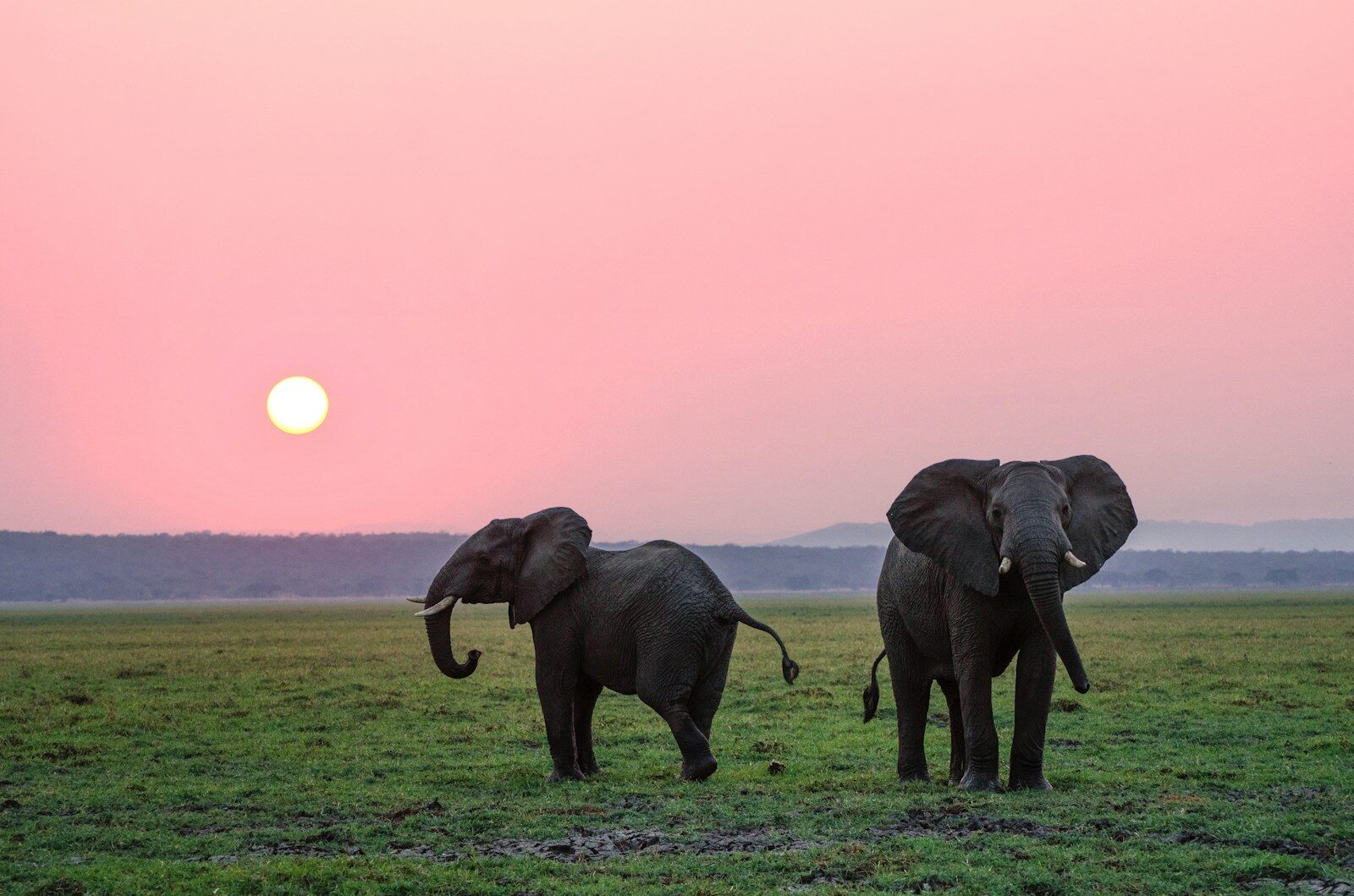
Elephants stand among the most cognitively advanced creatures on Earth, displaying behaviors that challenge our understanding of animal intelligence. These massive mammals can recognize themselves in mirrors, engage in mourning rituals for their dead, and retain memories of watering holes and migration routes for decades—capabilities supported by brains that contain more neurons than human brains, though distributed differently throughout their neural structure.
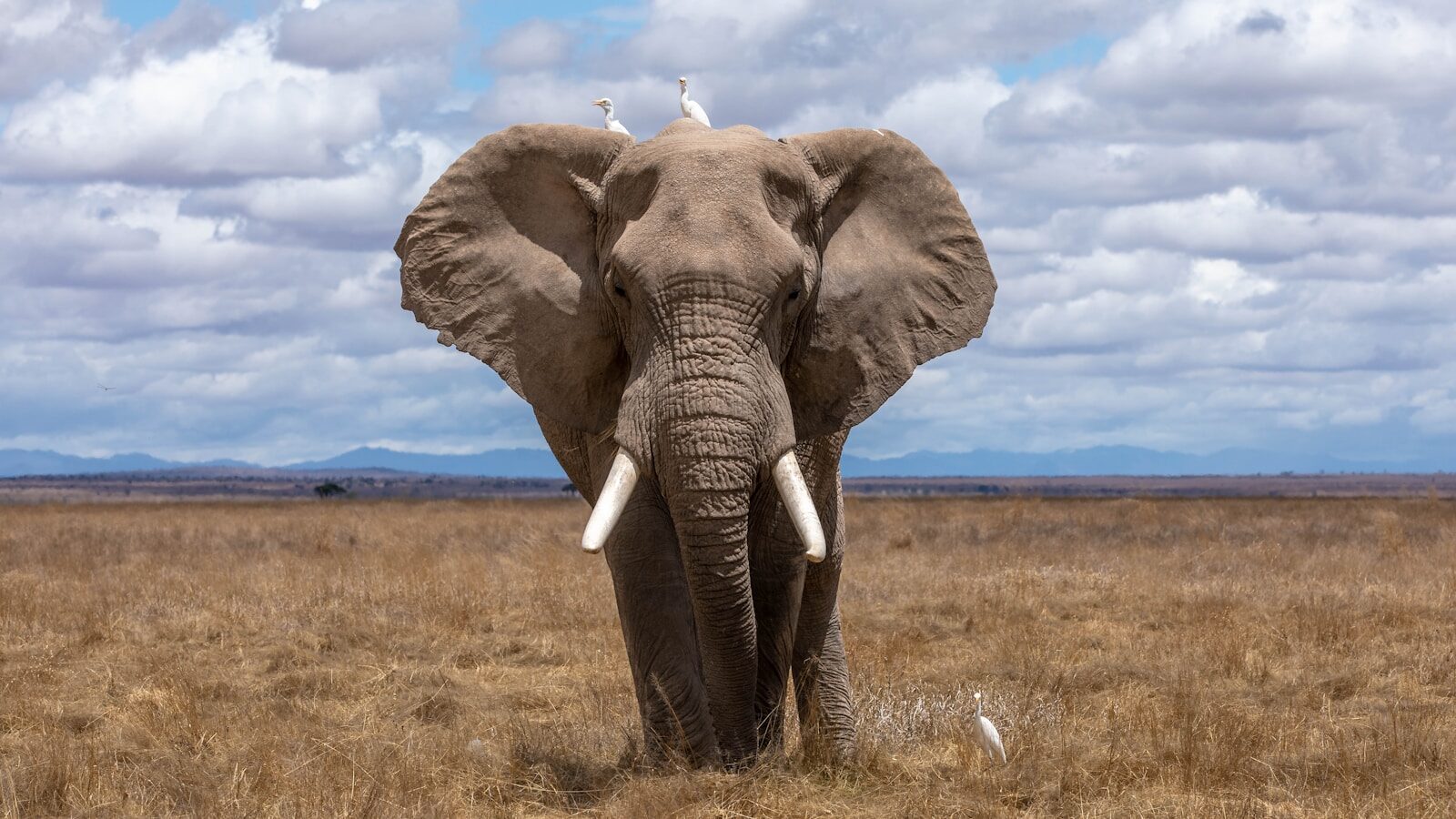
What makes elephant cognition particularly fascinating is how it manifests in ways that closely parallel human emotional and intellectual experiences. When an elephant examines itself in a mirror, it demonstrates self-awareness that only a handful of species possess. When herds gather around deceased members, touching the bones with their trunks, they’re exhibiting complex mourning behaviors that suggest deep emotional bonds.
The cognitive abilities of elephants extend far beyond isolated impressive behaviors into a comprehensive intelligence system that enables survival across harsh environments. Their capacity to remember landscapes, recognize threats, and maintain intricate social structures reveals brains operating at remarkable levels of complexity—and what scientists are discovering about elephant minds continues to reshape our perspective on consciousness itself.
The Depths of Elephant Intelligence
Elephants possess the largest terrestrial mammal brain, containing nearly as many cortical neurons as humans despite having a lower encephalization quotient. Their cognitive abilities span from cooperative problem-solving to complex social awareness that rivals primates and dolphins.
Brain Structure and Neuron Count
The elephant brain stands out in the animal kingdom for its sheer size and cellular complexity. Elephants have the largest brain of all terrestrial mammals and possess the largest cerebral cortex by volume among all animals.
What makes their brains particularly remarkable is the neuron count. The elephant brain contains almost as many cortical neurons as the human brain, with some neurons being larger than those found in humans and most other species. Their encephalization quotient (EQ) measures 1.3, which is substantially lower than the human EQ of 7.5, but this number doesn’t tell the whole story of their cognitive capabilities.
The massive cerebral cortex gives elephants exceptional processing power for memory, sensory information, and social interactions. This neurological foundation supports their ability to hold information about numerous individuals and locations simultaneously.
Comparisons With Other Animals
Elephants can recognize themselves in a mirror, a cognitive feat that places them in an exclusive group. Only humans, great apes, and dolphins share this self-awareness capability, which researchers consider a hallmark of advanced intelligence.
Their emotional intelligence matches or exceeds that of many other highly cognitive species. Elephants demonstrate empathy by rendering assistance to distressed individuals, both within their species and sometimes toward other animals. They show concern for deceased elephants and will even help individuals who cannot move on their own.
The social complexity of elephant behavior rivals that of primates. They form coalitions, babysit young elephants, and maintain relationships with up to 100 group members whose vocalizations they can individually recognize. This level of social organization requires sophisticated cognitive processing that few animal species possess.
Cognitive Complexity and Problem-Solving
Elephants display remarkable problem-solving abilities in both wild and controlled environments. African elephants test electric fences with their tusks to determine which parts are electrified, demonstrating an understanding of cause and effect.
Their working memory compares to human capacity. Elephants can remember the scents of several dozen individuals and classify humans into different categories based on threat level. They use their exceptional sense of smell to recall paths to water sources, safe routes, and food locations across vast landscapes.
Key cognitive abilities include:
- Cooperative task completion requiring partner awareness
- Tool use for personal grooming and specific purposes
- Quantity discrimination using smell alone
- Long-term spatial memory spanning decades
Research shows that elephants can distinguish between 150 and 180 sunflower seeds using only their sense of smell, a sensory discrimination task that would challenge most mammals. They adapt their behavior based on experience, learning to circumvent farmer deterrents and modifying their strategies when initial approaches fail.
Self-Awareness and Mirror Recognition
Elephants demonstrate remarkable cognitive abilities through their capacity to recognize themselves in mirrors, a trait shared with only a handful of species including humans, great apes, and dolphins. One Asian elephant named Happy made history by passing the mark test, touching a visible mark on her head while ignoring an invisible sham mark.
The Mirror Test Explained
The mirror test serves as the classic method for assessing whether animals possess self-awareness. When exposed to a mirror, animals that demonstrate mirror self-recognition typically progress through four distinct stages:
- Social responses to the reflection as if it were another individual
- Physical inspection like looking behind the mirror
- Repetitive mirror-testing behavior showing emerging understanding
- Self-directed behavior confirming recognition of their own reflection
The final stage gets verified through the mark test, where an animal spontaneously uses the mirror to touch an otherwise imperceptible mark placed on its body. This mirror self-recognition ability was once thought limited to humans and apes until researchers discovered it in dolphins and later elephants.
Mark Test Observations
Researchers at the Bronx Zoo exposed three Asian elephants to a jumbo-sized mirror measuring 244 × 244 cm. Happy, a 34-year-old female Asian elephant, passed the mark test on her first attempt.
Scientists applied a visible mark to the right side of Happy’s head and an invisible sham mark to the left side. The sham mark controlled for smell and touch, leaving only visual differences. Happy touched her head 47 times across all experimental phases, but her behavior on mark day was striking—she touched the visible mark 12 times while completely ignoring the sham mark.
All three elephants displayed self-directed behaviors like bringing food to eat directly in front of the mirror, making repetitive trunk movements, and using the mirror to inspect inside their mouths. Maxine even pulled her ear forward toward the mirror as if examining it. These behaviors occurred only when the mirror was uncovered and never appeared during baseline observations.
Significance for Animal Cognition
The connection between mirror self-recognition and empathy suggests convergent cognitive evolution related to complex social behavior. In both human development and across species, mirror self-recognition correlates with higher forms of empathy and altruistic behavior.
Elephants join an exclusive group capable of this level of self-awareness. Even among chimpanzees, fewer than half of individuals pass the mark test, so the fact that one of three elephants succeeded aligns with patterns seen in other species.
The parallels in mirror responses among apes, dolphins, and elephants point to similar cognitive abilities despite vastly different evolutionary paths. This research into elephant self-awareness and animal cognition challenges earlier assumptions about which species possess complex self-concepts and opens new questions about the nature of consciousness across the animal kingdom.
Grief and Mourning in Elephant Societies
Elephants display extensive investigative behavior and touching responses at carcasses, from fresh remains to scattered bones. Their mourning rituals involve physical contact, vocal communications, and extended visits that can continue for years after a herd member dies.
Documented Mourning Behaviors
When an elephant dies, surviving herd members engage in specific patterns that researchers have observed across different populations. Elephants approach and touch carcasses regardless of decay stage, using their trunks to examine bones carefully.
Field observations in Kenya’s Samburu National Reserve documented elephants exhibiting temporal gland streaming, stationary behavior, and heightened social interactions near deceased individuals. These responses occurred even when elephants encountered remains of elephants they hadn’t known well.
The animals sometimes attempt to lift dead companions with their tusks. They cover bodies with dirt, leaves, and branches in what appears to be deliberate action. Elephants have been seen standing guard over deceased herd members for days, displaying behaviors that closely parallel human funeral practices.
Elephant Graveyards and Remembrance
The concept of elephant graveyards is more myth than reality, but elephants do show unusual interest in skeletal remains. Research found that African elephants demonstrate high levels of interest in skulls and ivory of their own species, spending more time investigating elephant bones than those of other animals.
Herds return to locations where members died, sometimes visiting sites repeatedly over extended periods. Elephants may maintain connections through visits to remains for years or even decades after death.
This long-term relationship with the deceased sets elephant mourning apart from most other species. The animals touch and caress bones with their trunks, particularly skulls and tusks, suggesting they recognize these as belonging to elephants.
Emotional Bonds and Social Structure
Elephant societies operate through complex social networks built on long-term relationships. Females live in tight family groups led by matriarchs who possess critical knowledge about resources and threats.
These bonds influence how elephants respond to death within their communities. The strength of grief responses can vary based on individual relationships, though elephants show broad interest in their dead regardless of prior connection strength.
Key social factors in elephant mourning:
- Matriarchs hold decades of experience and social knowledge
- Family units maintain close contact across generations
- Recognition abilities extend to dozens of individual elephants
- Fission-fusion dynamics create fluid but stable communities
The death of a matriarch particularly impacts herds, as these leaders possess irreplaceable environmental knowledge. Younger elephants who lose mothers or other key family members face measurable social costs that affect their integration into elephant society.
Cross-Species Insights Into Grief
Only a few animal groups display the range and duration of behaviors elephants show at carcasses. Primates and cetaceans join elephants as the taxa most notable for complex death-related responses.
This comparative thanatology research helps scientists understand how cognitive complexity relates to death recognition. Elephants’ reactions suggest they possess awareness that extends beyond simple curiosity about motionless conspecifics.
The behaviors indicate elephants may update information about their social context when encountering deceased individuals. Their fission-fusion society requires constant tracking of who exists within their network, making death recognition potentially adaptive.
Studies of elephant cognition reveal capacities that support grief responses, including exceptional memory, advanced problem-solving, and sophisticated social awareness. These mental abilities allow elephants to form the deep attachments that make mourning possible.
Remarkable Memories: Water, Routes, and Survival
Elephants possess exceptional spatial memory that allows them to locate critical resources across vast distances. Their ability to recall water sources and migration paths, sometimes after decades, directly supports herd survival in challenging environments.
Navigating to Watering Holes
Elephants remember water holes for decades, maintaining detailed cognitive maps of their territories. Research from Colorado State University found that elephants in Etosha National Park demonstrated purposeful movements toward water nearly 50 kilometers away, consistently choosing the closest water point to their location.
These movements differ from regular wandering. When heading to water, elephants travel rapidly in straight lines rather than meandering.
The study revealed that direct travel across arid landscapes minimizes energy expenditure, which proves crucial for survival in harsh conditions. Using advanced GPS tracking technology, researchers documented how elephants rely on their remarkable spatial memory to make these life-saving navigation decisions. Their ability to remember precise locations of water sources becomes especially important during droughts when resources grow scarce.
Role of Matriarchs and Long-Term Memory
Older elephants, particularly matriarchs, serve as living libraries of environmental knowledge for their herds. Matriarchs recall water sources, migration routes, and individual herd members even after many years apart.
Studies of elephant behavior show that matriarchs can remember important locations and events spanning multiple decades. Their extensive experience helps herds avoid dangerous areas and locate resources during challenging seasons. This knowledge becomes particularly valuable during extreme weather events when less experienced elephants might struggle to find water or food.
The matriarch’s memory extends beyond geography. She remembers social relationships, past encounters with other herds, and potential threats. This comprehensive recall system guides decision-making for the entire group, improving survival rates across generations.
Impact on Herd Survival
Memory-driven navigation directly affects elephant survival rates in demanding habitats. Their ability to navigate to essential resources demonstrates resilience and adaptability in environments where water and food availability fluctuates seasonally.
Key survival benefits include:
- Reduced travel distances to water sources
- Lower energy expenditure during resource searches
- Better drought preparedness through recalled backup locations
- Improved route planning around obstacles and dangers
Research shows that elephants travel hundreds of miles during migration, remembering detailed routes and landmarks along the way. They return to specific trees or areas even after decades of absence, demonstrating how elephant cognition supports long-term spatial awareness.
Cultural Transmission of Knowledge
Young elephants learn critical survival information from older herd members through observation and guidance. This cultural transmission creates a knowledge base that accumulates across generations, with each matriarch adding to the collective memory bank.
The learning process begins early, as calves follow experienced adults on migration routes and watch how they locate water. Through repeated exposure, younger elephants build their own mental maps while benefiting from the wisdom of elders. This social learning system means that elephant intelligence extends beyond individual capability to encompass group knowledge.
When matriarchs die prematurely, herds lose valuable environmental information that can’t be easily replaced. Studies of elephant behavior reveal that groups without experienced leaders sometimes struggle to find resources during crises, highlighting how dependent herd survival is on transmitted knowledge.
Scientific Research and Conservation Implications
Scientists have conducted groundbreaking experiments demonstrating elephant intelligence, with findings that directly inform how conservationists protect these animals in the wild. Research teams across the globe study everything from self-recognition abilities to social behavior patterns, using this knowledge to develop strategies that account for elephants’ complex cognitive needs.
Key Experiments and Findings
The mirror self-recognition test stands as one of the most significant experiments in elephant cognition research. In 2006, researchers tested three Asian elephants at the Bronx Zoo using a jumbo-sized mirror measuring 244 × 244 cm. One elephant named Happy passed the mark test by using the mirror to touch a white mark placed on her head that she couldn’t see without the reflection.
This achievement placed elephants alongside humans, apes, and dolphins as the only animals demonstrating this level of self-awareness. The elephants showed fascinating behaviors during testing, including bringing food to eat directly in front of the mirror and using their trunks to inspect the insides of their mouths while watching their reflections.
Elephants are highly intelligent and very empathic, often helping injured members of their group. They’ve been observed physically supporting incapacitated individuals and may even mourn their dead, suggesting emotional complexity that rivals primates.
Famous Researchers and Ongoing Studies
Frans de Waal worked alongside researchers Diana Reiss and Joshua Plotnik to establish the mirror recognition protocols for elephants. Their work built upon decades of primate research to adapt testing methods for these massive animals.
Think Elephants International conducts research that investigates the elephant’s perspective of its environment, focusing on how these animals perceive threats and opportunities. George Wittemyer leads studies through Save the Elephants in Kenya, tracking how elephants in Samburu National Reserve navigate their territories. African elephants are known to recognize groups of humans and remember paths to resources passed down through generations.
How Cognition Guides Conservation Efforts
Understanding elephant intelligence helps conservationists develop better conflict-mitigation strategies. New perspectives that take into account how elephants perceive their environment have important implications for formulating human-elephant conflict mitigation techniques that balance both species’ needs.
Studying wild elephant cognition has direct implications for their conservation, particularly in areas where human populations expand into elephant territories. Researchers recognize that elephants’ ability to remember locations, assess threats, and make complex social decisions means conservation plans must account for their cognitive capabilities. Protection strategies now incorporate elephants’ long-term memory and social learning, ensuring migration corridors remain open and that populations maintain the matriarchs who hold crucial environmental knowledge.
What Elephant Minds Teach Us
Elephant cognition challenges long-held assumptions about which species possess complex mental abilities and raises serious questions about how humans treat these animals. Their self-awareness in mirrors and emotional depth force scientists to reconsider intelligence across species.
Ethical Questions and Welfare
Recognizing that elephants possess self-awareness and emotional complexity fundamentally changes how they should be treated in captivity and the wild. Animals that can recognize themselves in mirrors demonstrate a level of consciousness that makes confinement in small spaces or isolation particularly cruel.
Elephant research reveals they experience grief and maintain social bonds that span decades. These findings have practical implications for zoos, circuses, and wildlife management programs. Separating elephant family members or keeping them in inadequate spaces contradicts what scientists now understand about their psychological needs.
The discovery that elephants share cognitive traits with humans and great apes has prompted some organizations to advocate for stronger legal protections. Their ability to remember individuals and locations for years means they also remember trauma, which makes rehabilitation after abuse particularly challenging.
Rethinking Animal Minds
The study of elephant intelligence has expanded the scientific understanding of animal consciousness beyond primates and cetaceans. Elephants evolved their cognitive abilities independently from humans, demonstrating that complex thought can emerge through different evolutionary paths.
Scientists previously assumed advanced self-awareness was limited to species closely related to humans. Elephants shattered this assumption when they passed the mirror test, joining an exclusive group that includes great apes and dolphins. Their success revealed that large, complex brains with well-developed neocortexes can produce similar cognitive outcomes in vastly different species.
This discovery has prompted researchers to develop new testing methods for other animals previously dismissed as incapable of self-recognition. The elephant’s unique anatomy required modifications to standard procedures, proving that negative results might reflect testing limitations rather than actual cognitive deficits.