A Single Sneeze From a Cat Can Travel Up to 13 Feet — Veterinarians Warn It’s How Most Respiratory Viruses Spread Through Multi-Cat Households
When a cat sneezes, the tiny droplets don’t just disappear into thin air. A single sneeze can propel respiratory particles up to 13 feet across a room, creating an invisible cloud that can easily reach other cats in the household. This surprising fact explains why respiratory infections spread so rapidly in homes with multiple felines.
Respiratory infections are common in cats, especially when they live in close quarters with other pets. The viruses and bacteria responsible for sneezing in cats are highly contagious and can linger on surfaces or float through the air long after that initial achoo. Understanding how far these sneeze particles travel helps cat owners grasp why one sick kitty can quickly lead to an entire household of sniffling felines.
The mechanics behind cat sneezing reveal important clues about preventing the spread of upper respiratory infections and protecting feline health. From identifying the most common culprits to learning practical prevention strategies, recognizing the power of a simple sneeze can make all the difference in keeping cats healthy.
How Far Can a Cat’s Sneeze Really Go?
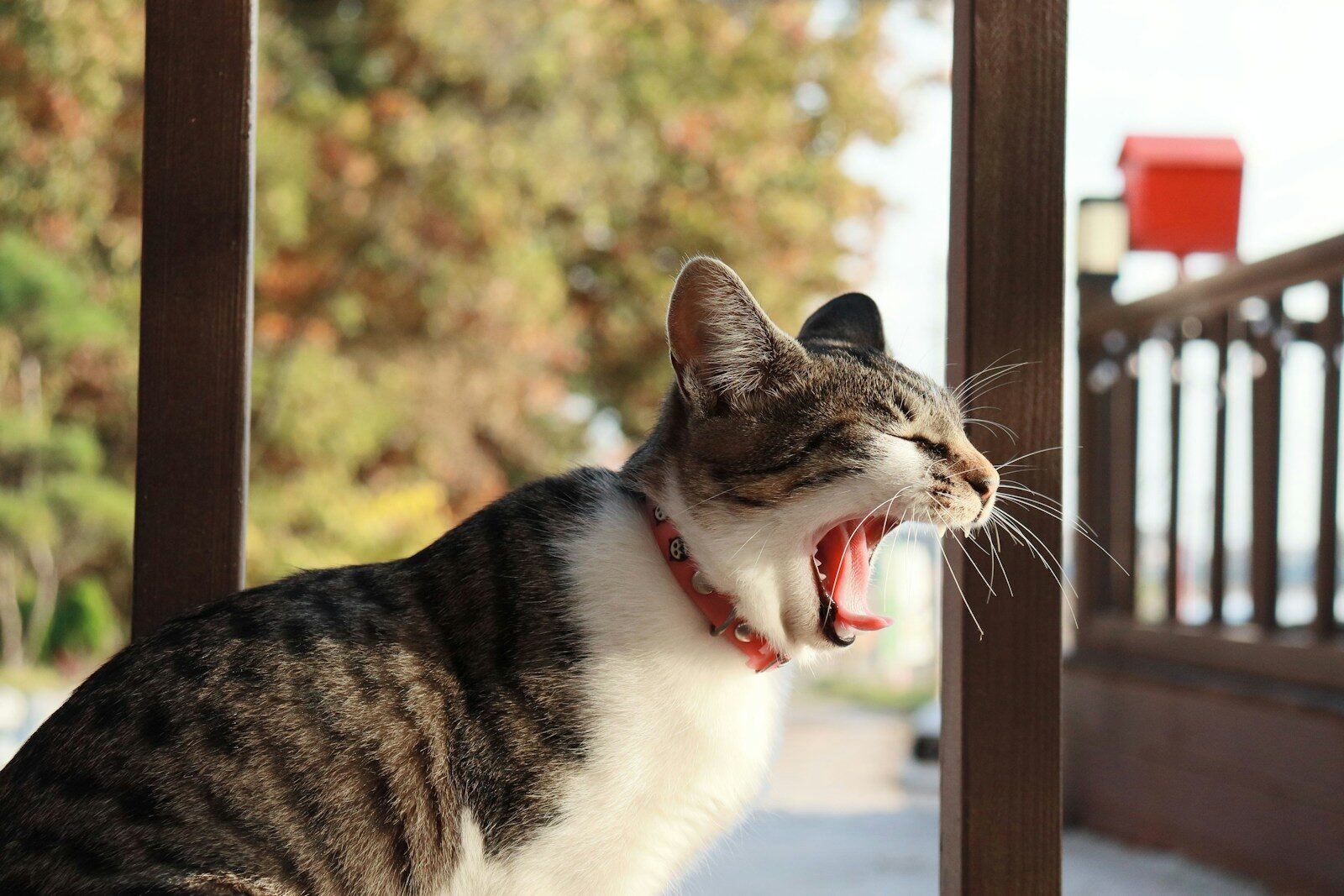
A cat’s sneeze can propel respiratory droplets up to 13 feet through the air, creating a surprisingly wide contamination zone that puts other cats at risk. The force and distance of these droplets make sneezing in cats one of the primary transmission routes for contagious illnesses.
The Science Behind Feline Sneezing
When a cat sneezes, the body forcefully expels irritants and pathogens from the nasal passages at significant velocity. This explosive action releases thousands of microscopic droplets into the surrounding air, carrying viral and bacterial particles that remain airborne or settle on surfaces.
The mechanics of a feline sneeze involve rapid contraction of respiratory muscles, creating pressure that shoots particles outward. Research on respiratory droplets shows that these can travel considerable distances depending on the sneeze’s force and environmental conditions like humidity and air circulation.
Key factors affecting sneeze distance:
- Size and lung capacity of the cat
- Severity of the respiratory infection
- Room ventilation and air flow
- Temperature and humidity levels
Unlike humans who typically sneeze into their hands or tissues, cats have no way to contain their sneezes. This means every sneeze releases its full payload of droplets directly into shared living spaces.
Risks in Multi-Cat Homes
Multi-cat homes face elevated transmission risks because cats share food bowls, litter boxes, bedding, and close sleeping quarters. A single cat with an upper respiratory infection can rapidly infect housemates through repeated sneezing episodes throughout the day.
Feline herpesvirus and calicivirus spread particularly easily in these environments. One infected cat sneezing near a communal water bowl can contaminate it for every other cat in the household. The 13-foot range means a cat doesn’t need to be in direct contact to transmit illness.
Cats grooming each other or sleeping in close proximity create additional exposure points. When combined with airborne transmission from sneezing, the infection cycle becomes difficult to break without isolation measures.
Why Distance Matters for Disease Spread
The 13-foot transmission zone means cats separated by a single room may still be within contamination range. Pet owners often underestimate how far respiratory viruses spread through sneezing, assuming their cats are safe if they’re not touching.
Droplets landing on furniture, cat trees, and floors remain infectious for hours or even days depending on the pathogen. A healthy cat walking through contaminated areas can pick up viruses on their paws and transfer them to their face during grooming.
Practical implications for cat owners:
- Sick cats should be isolated in separate rooms
- Surfaces within 13 feet need regular disinfection
- Air purifiers may help reduce airborne particles
- Separate feeding stations reduce cross-contamination
Understanding this distance helps explain why respiratory infections in cats spread so efficiently through shelters and multi-cat households despite attempts at containment.
Common Causes of Cat Sneezing and Spread
Cat sneezing stems from viral infections like feline herpesvirus and calicivirus, bacterial invaders such as Bordetella and Mycoplasma, or environmental triggers that can mimic respiratory symptoms. These pathogens spread rapidly when droplets from a single sneeze carry infectious particles across significant distances in shared living spaces.
Viral Culprits: Herpesvirus and Calicivirus
Feline herpesvirus-1 (FHV-1), also known as feline viral rhinotracheitis (FVR), stands as the leading cause of viral upper respiratory infections in cats. This virus triggers persistent sneezing, watery eyes, and nasal discharge that can become dormant and reactivate during stressful periods. Once a cat contracts FHV-1, it remains a carrier for life, cycling through active and inactive phases.
Feline calicivirus (FCV) works alongside herpesvirus as another major contributor to cat flu. FCV causes similar respiratory symptoms but may also produce mouth ulcers in affected cats. Both viruses spread through airborne droplets when infected cats sneeze, making them highly contagious in multi-cat environments.
The FVRCP combo vaccine protects against both pathogens, though breakthrough infections can still occur. Cats dealing with upper respiratory infections from these viruses often show yellow or green discharge, signaling secondary complications that require veterinary attention.
Bacterial Offenders in the Nose
Bordetella bronchiseptica, Mycoplasma felis, and feline chlamydia represent common bacterial infections that complicate viral respiratory illnesses. These bacteria rarely cause primary infections on their own but jump in when viral infections weaken a cat’s nasal defenses.
Yellow or green nasal discharge indicates bacterial involvement in a cat’s sneezing episodes. Mycoplasma and Bordetella colonize damaged nasal passages, perpetuating inflammation and discharge long after the initial viral infection subsides. Treatment with antibiotics can dramatically reduce symptoms and help cats breathe more comfortably.
Bacterial infections create a feedback loop where ongoing inflammation allows more bacteria to thrive. This explains why some cats continue sneezing even after receiving initial treatment for respiratory problems.
Environmental Irritants and Reverse Sneezing
Dust, mold, pollen, and household chemicals trigger sneezing when cats inhale these particles. Environmental irritants typically cause isolated sneezing episodes rather than persistent symptoms, though chronic exposure can lead to ongoing nasal inflammation.
Reverse sneezing occurs when cats rapidly pull air through their nose, creating a snorting sound that owners often mistake for regular sneezing. This phenomenon happens when the soft palate becomes irritated, causing a temporary spasm. While alarming to witness, reverse sneezing rarely indicates serious health problems.
Foreign objects like grass blades can lodge in nasal passages, triggering intense sneezing fits as cats attempt to expel the material. Larger debris requires veterinary intervention through rhinoscopy or nasal flushing under anesthesia, since cats cannot remove these objects through sneezing alone.
Understanding Feline Upper Respiratory Infections (URIs)
Feline upper respiratory infections affect a cat’s nose, throat, and sinuses much like the common cold in humans. These infections spread rapidly between cats and can range from mild sniffles to serious illness requiring veterinary care.
Key Symptoms to Watch For
Cat sneezing is often the first sign something’s wrong, but it’s rarely the only symptom. Upper respiratory infections in cats typically cause nasal congestion, eye discharge, and drainage from the nose.
The discharge may start clear but can turn cloudy or yellow as the infection progresses. Many cats develop conjunctivitis, which causes red, swollen eyelids and squinting. Some cats get ulcers in their mouths, especially with certain viral strains.
Loss of appetite happens frequently because cats rely heavily on their sense of smell to eat. A stuffed-up nose makes food less appealing. Other symptoms include fever, lethargy, and enlarged lymph nodes. In severe cases, cats may struggle to breathe properly.
How Infections Move Through Households
Respiratory infections in cats spread through saliva and secretions from the nose or eyes. When an infected cat sneezes, those infectious particles can travel significant distances through the air.
Direct contact between cats is the most common transmission route. Cats sharing food bowls, water dishes, or litter boxes can easily pass infections back and forth. Even grooming each other or touching noses during greeting can spread the viruses.
The incubation period lasts 2-10 days after exposure before symptoms appear. During this time and for up to three weeks after symptoms start, infected cats remain contagious. Feline herpesvirus can survive less than 18 hours outside a cat’s body, while calicivirus may live up to 10 days on surfaces.
Chronic Versus Acute Cases
Most cat upper respiratory infections are acute, lasting 7-14 days if uncomplicated. Some cases persist for up to 21 days before resolving completely.
The bigger concern is chronic carrier status. About 80% of cats infected with feline herpesvirus become lifelong carriers. These cats may show no symptoms most of the time, but stress from boarding, moving, or other illnesses can reactivate the virus.
Around half of cats infected with calicivirus become carriers, though some only carry it for a few months. Cats with feline immunodeficiency virus or other conditions that weaken immunity face higher risks of severe, recurring infections. Chronic carriers can infect other cats even when they appear perfectly healthy.
Diagnosis and Testing: How Vets Get Answers
Veterinarians use a combination of physical examination, laboratory tests, and imaging techniques to pinpoint the cause of persistent sneezing in cats. The diagnostic approach varies based on the cat’s age, symptom severity, and how long the problem has been going on.
When to Seek Veterinary Help
A single sneeze here and there isn’t cause for alarm, but certain signs warrant a trip to the vet. Persistent sneezing that lasts more than a few days, especially when accompanied by nasal discharge, fever, or loss of appetite, needs professional evaluation.
Cats showing facial asymmetry, difficulty breathing through one or both nostrils, or significant weight loss require immediate attention. Older cats that start sneezing may warrant further diagnostics, as they’re more prone to serious conditions like nasal tumors.
Young kittens with mild symptoms often have simple viral infections that resolve on their own. However, cats with chronic disease that refuses to improve despite treatment fall into the “complex” category requiring more extensive testing.
Nasal Swabs, Cultures, and Bloodwork
PCR testing has largely replaced older methods for identifying viral infections in sneezing cats. A nasal swab can detect herpesvirus, calicivirus, and other pathogens through DNA analysis. However, aerobic cultures of nasal discharge should be avoided as they typically reflect secondary bacterial colonization rather than the actual cause.
Bloodwork including a complete blood count and chemistry profile helps screen for underlying health issues before anesthesia. Testing for feline leukemia virus and feline immunodeficiency virus is valuable, since immunosuppression increases susceptibility to infections like Cryptococcus.
A positive PCR result confirms the organism’s presence, but negative results don’t necessarily rule out infection. Fever during examination can support a diagnosis of viral infection, which commonly causes elevated body temperatures in affected cats.
Advanced Imaging and Nasal Lavage
Skull radiographs are commonly performed but can be difficult to interpret due to the small size of cat skulls and overlapping structures. CT scans and MRI provide far more detailed images of the nasal cavity and are increasingly available through specialist hospitals.
Rhinoscopy allows direct visualization of the nasal passages from both front and back approaches, though some bleeding is expected. When a rhinoscope isn’t available, vets sometimes use an otoscope cone for the front portion and a spay hook with dental mirror for the back.
A nasal flush using saline helps remove mucus and debris while collecting samples for analysis. During the procedure, the oral cavity is packed with gauze to catch fluid and tissue samples. This nasal lavage technique can provide short-term symptom relief while also gathering diagnostic material for histopathological evaluation.
Treatment and Recovery for Sneezing Cats
Treating a sneezing cat typically involves targeting the underlying cause with medications while providing supportive care to help them feel better during recovery. The goal is often to reduce the frequency and severity of symptoms rather than achieve a complete cure, especially in chronic cases.
Medical Solutions: Antivirals and Antibiotics
Veterinarians frequently prescribe antibiotics to treat bacterial infections in cats that develop as secondary complications from viral respiratory infections. These medications help cats feel better quickly by addressing yellow or green nasal discharge caused by bacteria like Bordetella, mycoplasma, and chlamydia.
For viral infections like feline herpesvirus, some vets prescribe antiviral medications such as famciclovir along with lysine supplements. While there’s no cure for feline herpesvirus, these treatments can help manage symptoms during flare-ups.
Treatment with steroids or NSAIDs may be necessary when inflammation is the primary issue. In severe cases, a nasal lavage performed under general anesthesia can flush out debris and provide temporary relief regardless of the underlying cause.
Supportive Care at Home
Pet parents can help their sneezing cats recover more comfortably through several home care measures. Using humidifiers or nebulizers helps keep nasal passages moist and makes breathing easier for congested cats.
Keeping the cat in a warm, quiet space reduces stress that might worsen symptoms. Gently wiping away nasal discharge with a damp cloth prevents crusty buildup around the nose.
Encouraging cats to eat is crucial since they rely heavily on their sense of smell for appetite. Warming up food slightly or offering strong-smelling options like tuna can entice cats who are struggling to smell their meals. Some cats may benefit from anti-nausea medications if they’re refusing food.
Preventing Secondary Infections
Bacterial infections almost always play a secondary role in respiratory symptoms, making prevention essential for cat health. Keeping a sneezing cat’s environment clean helps reduce exposure to additional irritants and pathogens.
Separating affected cats from healthy ones in multi-cat households prevents the spread of contagious respiratory viruses. Regular veterinary check-ups allow early detection of complications before they worsen.
Maintaining dental hygiene through regular tooth brushing helps prevent dental disease, which can contribute to sneezing when infected tooth roots penetrate the barrier between the mouth and nasal passages. Vaccination against common respiratory viruses like calicivirus provides important protection, though it won’t prevent all causes of sneezing.
Prevention and Health Management in Multi-Cat Households
Maintaining cat health in multi-cat homes requires a combination of proper vaccination, stress reduction, and consistent environmental management. These three pillars work together to minimize the risk of upper respiratory infections spreading through the household.
The Importance of the FVRCP Vaccine
The FVRCP vaccine protects cats against feline viral rhinotracheitis, calicivirus, and panleukopenia. This core vaccination is particularly critical in multi-cat homes where respiratory viruses can spread rapidly through sneezing and shared surfaces.
Kittens should receive their first FVRCP dose at 6-8 weeks of age, with boosters every 3-4 weeks until they reach 16 weeks old. Adult cats need boosters every 1-3 years depending on their risk level and veterinarian recommendations.
Even vaccinated cats can sometimes contract upper respiratory infections, but the vaccine significantly reduces symptom severity and duration. In households with multiple cats, keeping all animals current on their FVRCP vaccinations creates a protective barrier that limits outbreak intensity.
Reducing Stress and Limiting Spread
Stress weakens a cat’s immune system and makes them more susceptible to infections. Managing resources properly in multi-cat households helps reduce tension between cats and supports overall health.
Each cat should have access to their own food bowl, water station, litter box, and resting area. The general rule is one resource per cat plus one extra, distributed throughout the home in separate locations.
When a cat shows signs of illness like sneezing, watery eyes, or nasal discharge, immediate isolation prevents the infection from spreading to other household members. The sick cat should stay in a separate room with their own supplies until symptoms resolve. Good hygiene practices and isolating sick cats are essential steps in preventing transmission.
Routine Cleanliness and Environmental Controls
Regular cleaning disrupts the transmission cycle of respiratory viruses in multi-cat environments. Food and water bowls should be washed daily with hot, soapy water to eliminate viral particles.
Litter boxes require scooping at least twice daily and complete cleaning weekly for non-clumping litter or every 2-4 weeks for clumping varieties. Shared spaces like cat trees, bedding, and toys should be cleaned or washed regularly, especially if any cat shows illness signs.
Proper ventilation helps dilute airborne viral particles after a cat sneezes. Opening windows and using air purifiers can improve air quality in homes with multiple cats. Disinfecting high-touch surfaces with pet-safe cleaners further reduces the viral load in the environment.