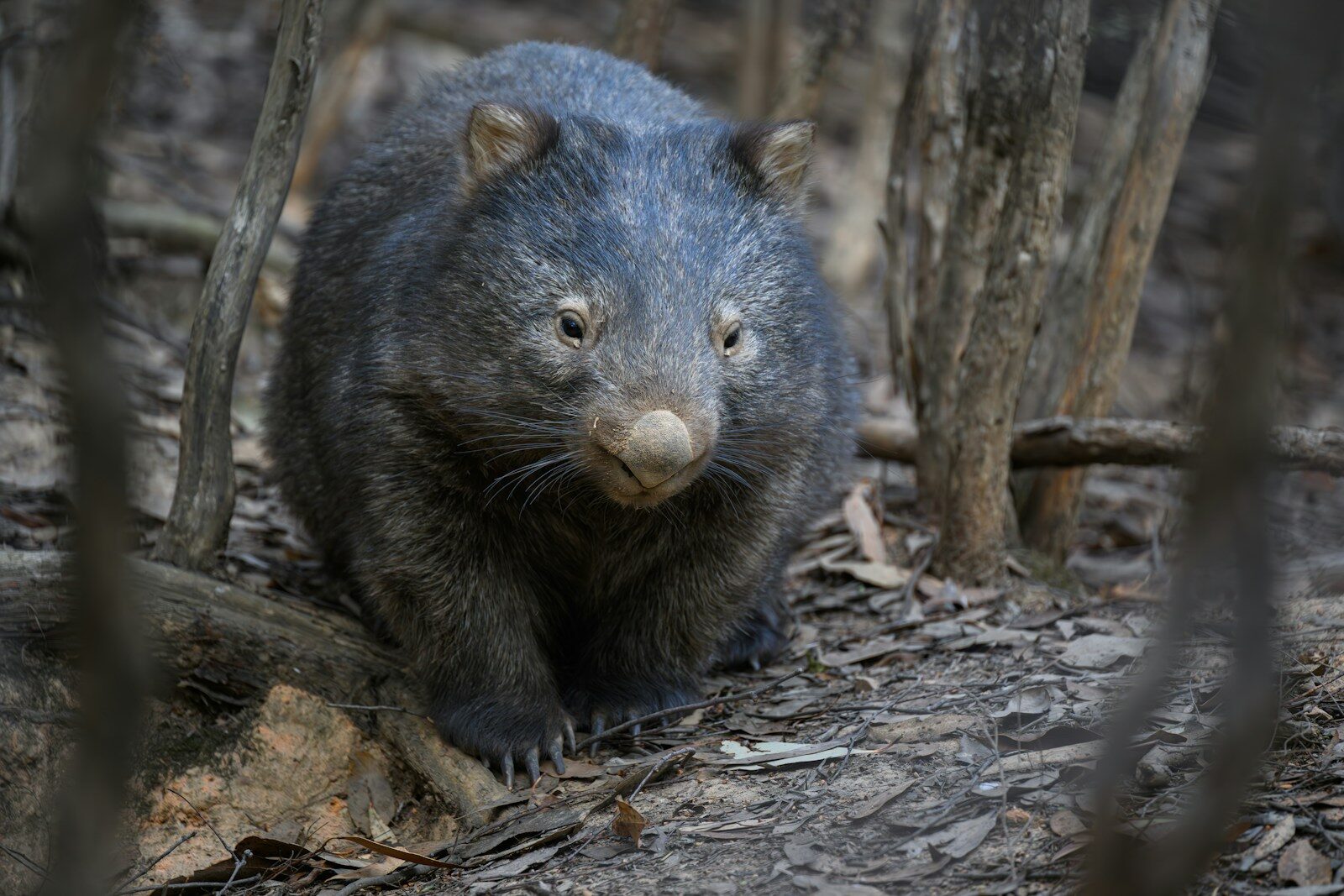
Wombat Poop Comes Out in Perfect Cubes and Scientists Finally Figured Out Why — Their Intestines Have Stiff and Stretchy Sections That Mold the Shape
The bare-nosed wombat holds a bizarre distinction in the animal kingdom: it’s the only creature that produces cube-shaped poop. While most animals leave behind round or formless droppings, wombats deposit neat little cubes, sometimes nearly 100 of them per day. For years, this peculiar phenomenon baffled scientists who couldn’t understand how a round anus could create such geometric precision.
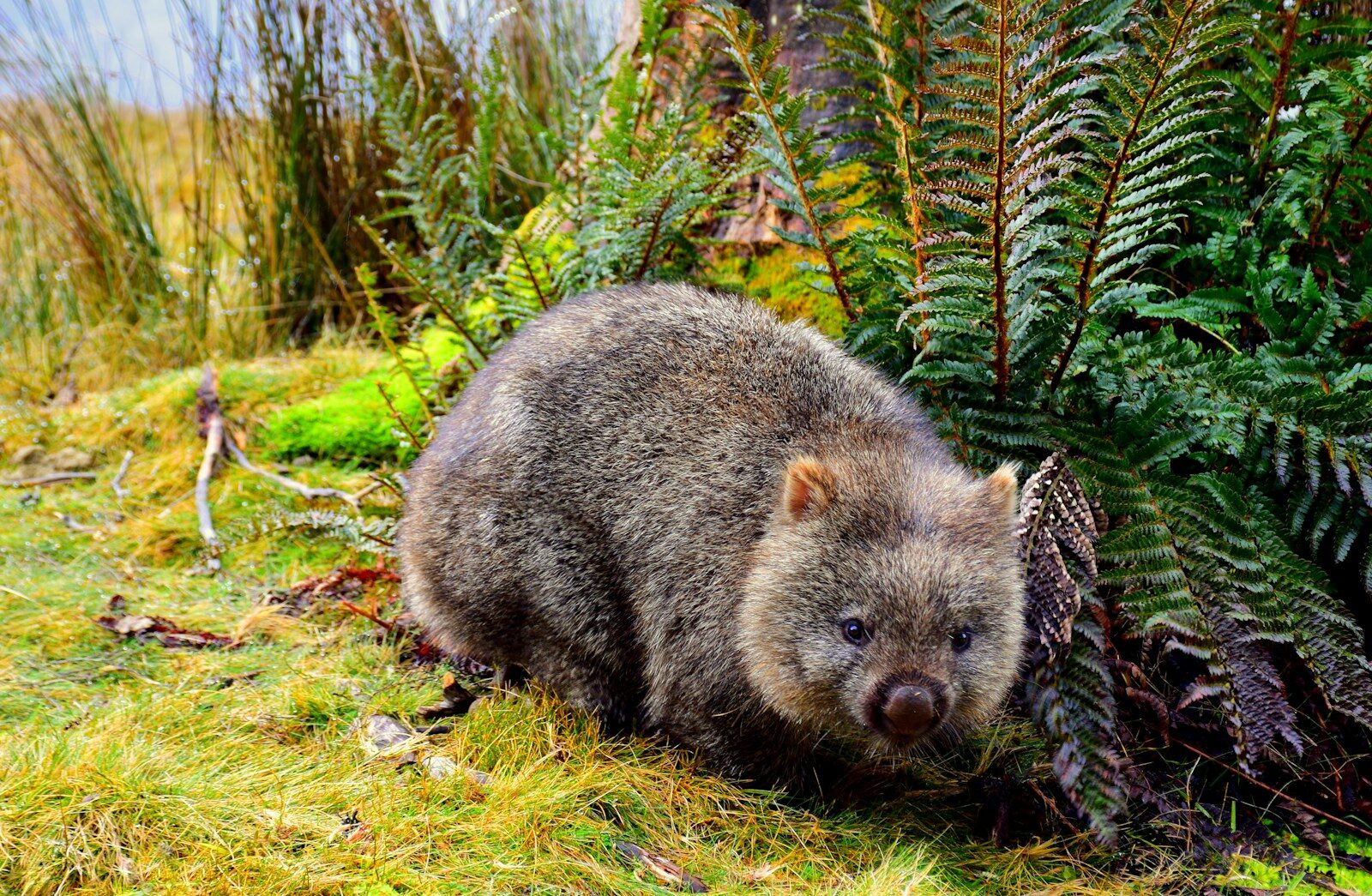
Researchers have finally cracked the mystery by discovering that wombat intestines contain alternating regions of stiff and stretchy tissue that act like a biological mold, shaping the feces into cubes over several days of slow digestion. The scientists dissected wombats and tested their intestinal muscles, finding that the stiffer portions contract faster than softer regions, creating the flat edges and sharp corners that make wombat poop so distinctive.
But the science behind how wombats make these cubes is only part of the story. The real question is why evolution would favor such an unusual shape, what this tells us about digestive engineering, and whether understanding cube-shaped poo could actually help humans design better manufacturing processes.
What Makes Wombat Poop Unique?
The bare-nosed wombat stands alone in the animal kingdom as the only creature that produces cube-shaped poop, releasing nearly 100 of these distinctive six-sided droppings each day. This Australian marsupial’s unusual excrement has a direct connection to the animal’s health and territorial behavior.
The Only Animal With Cube-Shaped Droppings
Wombats are truly one-of-a-kind when it comes to their bathroom habits. Scientists have confirmed that the bare-nosed wombat is the only animal on Earth that produces cube-shaped poo.
The Vombatus ursinus, which can weigh up to 35 kilograms, creates these distinctive droppings despite having a round anus like other mammals. This Australian marsupial lives in grassy plains and eucalyptus forests, spending nights grazing on plants and days in underground tunnels.
These territorial creatures use their unusual cube-shaped droppings as a calling card to mark their domain. The flat-sided shape serves a practical purpose—when wombats climb up on rocks and logs to leave their territorial markers, the cubes don’t roll off these elevated perches like round droppings would.
How Many Cubes Do Wombats Produce?
The production rate of wombat droppings is surprisingly prolific. A single bare-nosed wombat squeezes out nearly 100 six-sided turds every day, making them exceptionally productive in marking their territory.
Wombats can pass up to 100 deposits of poop in a single night during their most active periods. This high volume of cube-shaped poop allows them to establish extensive territorial boundaries across their habitat ranges. The animals strategically place these droppings in visible locations throughout their territory to communicate with other wombats.
Link to Wombat Health
The shape and quality of wombat droppings serve as important health indicators. Researchers raising wombats in captivity have noticed that their feces aren’t always as cubic as those produced by wild animals.
The squarer the poop, the healthier the wombat. This connection between cube definition and well-being gives wildlife caretakers a simple visual tool to monitor the animals’ condition. When droppings lose their distinct cubic shape, it may signal digestive issues or other health problems requiring attention.
This relationship between dropping shape and health status makes understanding the cube formation process valuable for conservation efforts and captive breeding programs.
Inside the Bare-Nosed Wombat: Anatomy and Digestion
The bare-nosed wombat’s digestive system operates on an exceptionally long timeline, processing food through an intestinal tract that stretches up to 10 meters in length. This extended anatomy allows the Australian marsupial to extract maximum nutrition from tough plant material over several days.
The Digestive System at a Glance
The bare-nosed wombat (Vombatus ursinus) has evolved a digestive system perfectly suited for its herbivorous lifestyle. These stocky marsupials, weighing up to 35 kilograms, spend their nights grazing on grasses and plants in Australia’s eucalyptus forests and grassy plains.
Their digestive tract functions differently from most mammals. While the basic components remain similar—stomach, small intestine, and large intestine—the proportions and processing times set them apart.
The intestinal structure contains regions of varying elasticity and thickness. Scientists discovered these specialized areas when they dissected wombats to understand their cube-shaped droppings. Two distinct grooves in the intestines mark where the tissue becomes more elastic compared to surrounding sections.
Intestinal Structure and Length
Wombat intestines measure approximately 10 meters long, which equals roughly 10 times the length of a typical wombat’s body. This extraordinary length provides ample surface area for nutrient absorption.
The intestinal walls feature layers of muscle and tissue with distinct properties. Stiffer regions contract faster, acting like tight rubber bands. Softer sections squeeze more slowly, creating the framework for the cubic shape formation.
These alternating zones of stiffness create an irregular contraction pattern. Unlike other mammals where intestinal contractions remain consistent in all directions, the wombat intestine contracts unevenly across multiple cycles of digestion.
Slow and Efficient Digestion
The digestive process in Vombatus ursinus takes up to four times longer than human digestion. Food items that would pass through a human gut in one or two days spend days working through the wombat’s system.
This extended timeline serves a critical purpose. The wombat extracts every possible bit of nutritional content from its fibrous plant diet. As food moves through the lengthy intestines, the gut continuously pulls nutrients and water from the material.
The slow contractions over several days gradually compress the waste. Water removal firms up the feces while the irregular muscle contractions begin molding the distinctive shape. By the time waste reaches the final sections of the intestine, it has been transformed into compact, geometric blocks ready for excretion.
How Wombats Make Cubes: The Science Explained
The wombat’s digestive system features regions of varying stiffness and elasticity that work together over several days to shape waste into cubes. These distinct intestinal sections contract at different rates during digestion, molding flat sides and sharp corners as the body extracts water and nutrients.
Stiff and Stretchy Sections of the Intestine
The wombat intestine contains two grooves where the tissue is significantly more elastic than surrounding areas. Scientists discovered this unusual anatomy by dissecting wombats and testing the different layers of muscle and tissue throughout the digestive tract.
These regions show varied thickness and stiffness along the intestinal walls. The stiffer portions act like tight rubber bands that contract quickly, while the softer sections squeeze more slowly. This creates an uneven pressure system that gradually shapes the waste material.
The combination of stiff and stretchy areas makes the wombat’s gut fundamentally different from other mammals. Where most animals have consistent intestinal muscle behavior, wombats have specially evolved intestines that create geometric shapes rather than typical round pellets or formless waste.
Peristalsis and Poop Formation
In most mammals, the wavelike contractions of peristalsis move food through the digestive system in a uniform pattern. The wombat’s peristalsis works differently due to the grooved tissue structure, creating irregular contractions that occur over multiple cycles.
The intestinal sections contract over several days rather than hours. During this extended period, the gut continuously pulls nutrients and water from the material, making it firmer and drier. This slow, methodical process is essential for cube formation.
The softer intestinal regions mold the final corners of each cube during the later stages of digestion. While the stiffer areas create flat surfaces, these elastic zones shape the distinctive 90-degree angles that make wombat poop cubes so geometrically precise.
Cubing Happens in the Final Stretch
The final section of the wombat intestine is where the cube shape becomes fully defined. This area has the most pronounced variations in elasticity, allowing for the sharpest corner formation before excretion.
Wombats produce nearly 100 cube-shaped droppings every day. Each cube measures roughly 2 centimeters across and maintains its six-sided shape even after leaving the body. The waste emerges through a round anus, which doesn’t affect the cube structure since the shape is already set.
Key factors in the final stretch:
- Maximum water absorption creates firm consistency
- Elastic grooves complete corner definition
- Pressure differences between stiff and soft regions finalize flat sides
The entire process demonstrates how the wombat intestines work as a biological molding system, transforming digested material into the only naturally occurring cube-shaped poop in the animal kingdom.
Why Evolution Favors Cube-Shaped Scat
The bare-nosed wombat’s unique cubic droppings serve specific survival purposes in the Australian wilderness. These cube-shaped formations prevent the scat from rolling away on sloped surfaces, while their distinctive shape enhances territorial communication among wombats.
Territory Marking and Communication
Wombats are highly territorial animals that rely on their droppings to establish boundaries and communicate with other members of their species. The Australian marsupial produces these cube-shaped poo deposits as calling cards throughout their range.
Each wombat can excrete up to 100 six-sided droppings every day. The animals strategically place these distinctive markers in visible locations to signal their presence to other wombats. The cubic shape makes these territorial markers more noticeable than round droppings would be.
The unique geometry also helps wombats stack multiple pieces together, creating more prominent visual signals. This stacking behavior amplifies the territorial message without requiring additional energy expenditure from the animal.
Poop Stacking on Rocks and Logs
The flat sides of cube-shaped scat provide a crucial advantage when wombats mark elevated surfaces. These nocturnal grazers climb up on rocks and logs to deposit their droppings in highly visible locations.
Round or cylindrical droppings would simply roll off these elevated perches, rendering them useless as territorial markers. The cubic geometry ensures wombat droppings stay put exactly where they’re placed. Each cube measures approximately 2 centimeters on each side with sharp edges and flat sides that provide stability.
This stability is particularly important in the grassy plains and eucalyptus forests where these animals live. The cubes remain in position through wind and weather, maintaining their territorial function for extended periods.
What We Can Learn from the Wombat’s Gut
The wombat’s unusual digestive system offers valuable lessons for manufacturing processes and medical research. Scientists believe the mechanisms that create cube-shaped feces could inspire new approaches to shaping materials and understanding digestive health.
Implications for Engineering and Design
Biomechanics researcher David Hu notes that the wombat’s strategy could help engineers design better ways to shape valuable or sensitive materials. The wombat intestine accomplishes something remarkable: it molds material into precise geometric shapes without external machinery or molds.
Traditional manufacturing often relies on rigid dies and intense pressure to create specific shapes. The wombat’s gut does this through varying tissue stiffness and precisely timed contractions over several days.
Potential applications include:
- Manufacturing processes for delicate materials that can’t withstand high pressure
- Creating shaped products using biological or biodegradable materials
- Developing soft robotics that manipulate objects through controlled squeezing
Engineers could adapt the principle of combining stiff and elastic sections to build machines that gently shape pharmaceuticals, food products, or other materials that require careful handling. The rhythmic contractions in the wombat intestines demonstrate how gradual pressure applied at different rates can achieve complex geometries.
Potential Insights for Human Health
Understanding how the wombat intestines function could provide insights into human digestive health. The unique combination of grooved tissue and irregular contractions that shape wombat feces demonstrates how intestinal structure directly affects digestive output.
Researchers raising wombats in captivity have noticed that the squarer the poop, the healthier the wombat. This connection between fecal shape and overall health suggests that intestinal muscle function and tissue elasticity serve as indicators of digestive wellness.
Medical professionals could potentially apply similar principles to assess human intestinal health. Variations in how intestinal sections contract and how tissue stiffness differs throughout the digestive tract might reveal digestive disorders or malfunction earlier than current diagnostic methods allow.
The research on wombat intestinal mechanics also advances understanding of how different tissue properties affect digestion timing and efficiency. These insights could inform treatments for conditions involving irregular intestinal contractions or tissue abnormalities.
The Cultural and Scientific Impact of Wombat Poop
The bare-nosed wombat’s cubic droppings have captured global attention, spawning widespread media coverage and scientific curiosity. Beyond the novelty factor, these distinctive feces have become valuable tools for conservation efforts and wildlife research in Australia.
Global Fascination and Media Coverage
Wombat poop has become an internet sensation, with major outlets like CNN covering the cube-shaped mystery that puzzled scientists for years. The story resonates because it combines the adorable appeal of wombats with a genuinely bizarre biological phenomenon—no other animal on Earth produces such geometrically precise waste.
Scientists getting to the bottom of this mystery has sparked countless headlines playing on poop puns and cube references. The research published in the journal Soft Matter became unexpectedly popular, reaching audiences far beyond typical scientific publications.
This fascination extends beyond casual interest. People are genuinely curious about how evolution could produce such an unusual trait, making the bare-nosed wombat an unlikely celebrity in the animal kingdom.
Wombat Poop in Conservation and Research
The shape and consistency of wombat droppings have practical applications for wildlife management. Researchers raising wombats in captivity discovered that the squarer the poop, the healthier the wombat, providing caretakers with a simple visual health indicator.
Scientists have identified 44 distinct compounds in wombat poo, creating a baseline for understanding wombat communication and territorial behavior. Since the bare-nosed wombat deposits nearly 100 cubes daily to mark territory, these droppings serve as non-invasive research tools.
The research also has unexpected engineering applications. While it won’t revolutionize plastic manufacturing, the intestinal mechanics could help engineers design better methods for shaping sensitive materials without external molds.