A Therapy Pig Named After a Mob Boss Now Visits Veterans Hospitals in Three States and Has His Own Frequent Flyer Number on a Major Airline
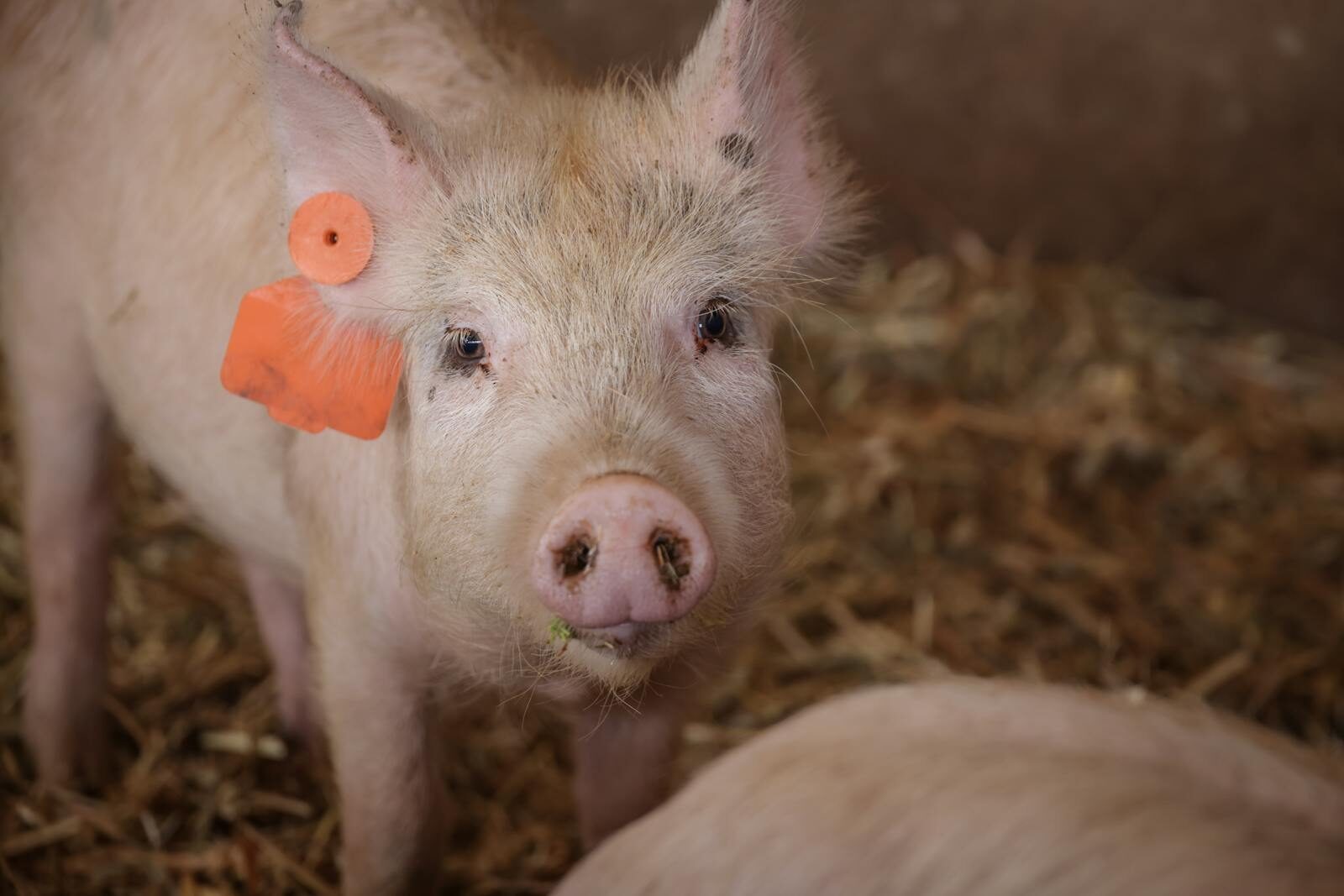
A miniature pig with a mobster’s name has become an unexpected hero in veterans’ healthcare facilities, traveling so frequently that he’s earned his own airline frequent flyer number. Therapy pigs like Brutus are bringing comfort and joy to veterans across multiple states, offering a unique form of emotional support that’s gained recognition from major healthcare institutions and even airlines. These intelligent animals have proven themselves as more than just novelty visitors—they’re making real differences in the lives of people who need it most.
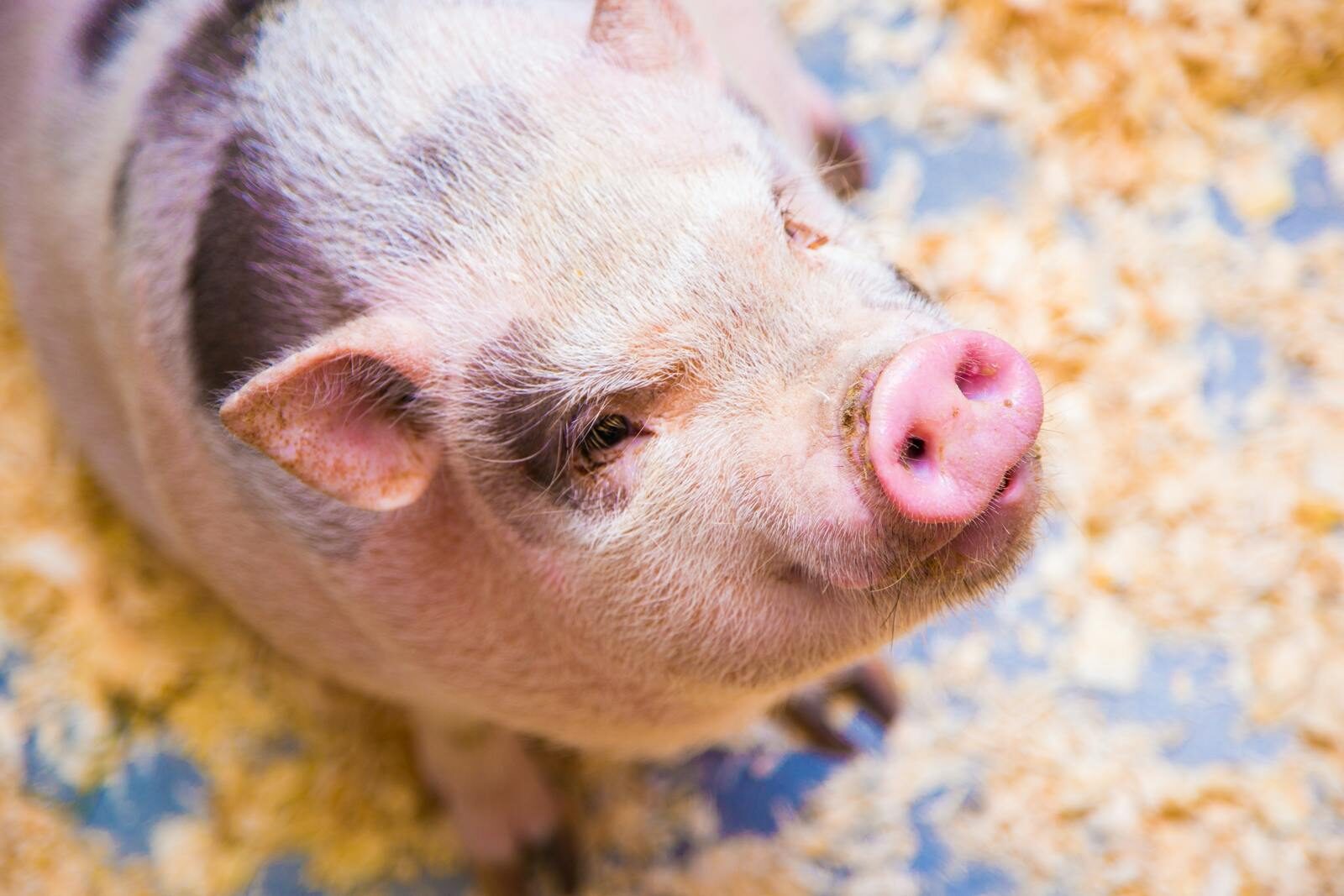
The concept of therapy pigs might sound unusual, but therapy animals have been visiting veterans and seniors for years with remarkable results. Unlike traditional therapy dogs, pigs bring an element of surprise and curiosity that can break through emotional barriers in ways other animals can’t. Their intelligence, trainable nature, and calm temperaments make them ideal candidates for this important work.
Recent events have highlighted both the incredible bond between children and their therapy pigs, as well as the challenges these animals and their families face. From heartwarming airport visits to controversial legal questions about therapy animal rights, the world of therapy pigs is more complex and fascinating than most people realize.
The Therapy Pig’s Journey Across Veterans Hospitals
This therapy pig travels extensively to bring comfort to veterans, accumulating enough miles to earn frequent flyer status while making emotional connections at VA facilities across multiple states.
Visiting Multiple States
The therapy pig’s work extends throughout northwestern Wisconsin, where he visits facilities like the VA in Tomah. His handler brings him to various locations where veterans gather, creating opportunities for therapeutic interactions.
Other therapy pigs serve veterans in different regions. Sir Sedgwick works with veterans in Central Oregon at a ranch focused on veteran mental health. In Northwest Florida, a retired first responder trains multiple therapy pigs specifically for veterans.
These therapy animals walk through hospital campuses and medical centers, helping veterans shift their focus from stress to moments of connection. The pigs visit both indoor facilities and outdoor spaces, adapting to whatever environment allows them to reach the people who need support.
Frequent Flyer Status and Travel Experiences
The most notable aspect of this particular pig’s travel routine is his frequent flyer number with a major airline. This status indicates regular air travel to reach veterans in different locations.
Airlines have specific policies for therapy animals in cabin, and maintaining frequent flyer status suggests consistent, scheduled visits across distances too far for ground transportation. The pig’s calm temperament makes him suited for airport environments and the demands of air travel.
His handler coordinates these trips to maximize the number of veterans he can reach while ensuring the therapy animal remains comfortable and effective in his work.
Emotional Impact on Veterans
Veterans respond strongly to therapy pig visits at medical facilities. The VA campus interactions help shift veterans’ attention away from stress and toward moments of delight and curiosity.
The therapy animal provides a non-judgmental presence that encourages interaction. Veterans who may struggle with traditional therapy approaches often find it easier to engage with an animal companion. The pig’s tricks and gentle personality create conversation starters that break down emotional barriers.
Many veterans dealing with isolation or PTSD find comfort in the predictable, calm nature of the therapy pig. The visits trigger memories and spark genuine smiles, offering therapeutic benefits that complement traditional medical treatments at these facilities.
What Makes Therapy Pigs Special
Mini pigs bring unique qualities to therapeutic work through their intelligence, social nature, and trainability. These animals require specific preparation and fall into distinct legal categories that differ from other support animals.
Benefits of Pigs as Therapy Animals
Pigs possess remarkable intelligence and sensitivity that make them excellent candidates for therapeutic roles. Mini pigs can provide companionship during visits to health care facilities and assist with physical and occupational therapy sessions.
These animals work effectively with diverse populations. Miniature pigs serve children with autism and adults suffering from post-traumatic stress disorder, bringing comfort and companionship to those in need.
Their novelty factor creates memorable interactions. Unlike dogs, which people encounter regularly, therapy pigs generate excitement and curiosity that can break through emotional barriers. Pig owners often choose to share their pig with their community schools and nursing homes, spreading smiles and laughter at fundraisers and events.
Training and Certification Process
The American Mini Pig Association offers a structured certification program for handlers who want to work with their pigs in therapeutic settings. The program requires completion of an online educational course covering mini pig care, health, behavior, and training techniques.
Required Skills:
- Sit and stay commands
- Come/recall responses
- Leave it/out/back commands
- Gentle treat taking
- Harness and leash walking
- Navigating stairs and ramps
- Walking in crowds
- Accepting touch to body
Additional requirements include spaying or neutering the pig. Pigs under one year receive “Therapy Pet in Training” status and can apply for full certification once they reach their first birthday.
Handlers work at their own pace through the course and submit videos demonstrating their pig’s mastery of required skills. The program emphasizes that not every pig suits this work—ideal candidates display a laid-back nature, social personality, and genuine enjoyment of training and public interaction.
Comparing Therapy, Emotional Support, and Service Animals
These three categories carry vastly different legal rights and functions. A therapy pet is a working animal owned by a non-disabled person that visits hospitals, schools, and nursing homes to brighten spirits.
Key Distinctions:
| Animal Type | Owner Status | Public Access Rights | Housing Rights |
|---|---|---|---|
| Therapy Animal | Non-disabled | None | None |
| Emotional Support Animal | Disabled | None | Limited (FHA) |
| Service Animal | Disabled | Full (ADA) | Full (ADA, FHA) |
Therapy animals have no ADA rights and FHA rules do not apply to them. Therapy pigs typically volunteer in places such as hospitals, retirement homes, libraries, community centers, and schools, but they access these facilities through specific arrangements rather than legal protections.
Emotional support animals provide comfort to their disabled owners but lack public access rights. Service animals receive full legal protections because they perform specific tasks for individuals with disabilities.
Stories of Beloved Therapy Pigs
Therapy pigs have touched countless lives through their work in hospitals, schools, and care facilities. From miniature pigs providing comfort to children with autism to potbellied pigs visiting senior centers, these animals demonstrate remarkable abilities to connect with people in need.
Inspirational Accounts from Families
Piglet, a therapy pig rescued from a difficult situation, now makes regular visits to schools, hospitals, and community centers alongside his owner, a nurse who specializes in trauma and healing. His work has significantly impacted individuals with disabilities.
In northern NSW, Tinky Watts breeds miniature pigs sold as therapy pets for children with autism and anxiety through her business Petite Piggies. Her own pig, appropriately named Piglet, actively works as a therapy animal in the community.
A potbellied pig named Poppy proved that therapy animals come in unexpected forms when she saved her owner Sarah’s life. Sarah had adopted Poppy as a therapy animal in a small rural town, not knowing her pet would one day become her hero.
Garrett Cox and Bootsy’s Bond
Garrett Cox shares a special connection with his therapy pig Bootsy, though their story represents just one of many remarkable human-pig partnerships in the therapy animal community. The American Mini Pig Association recognizes that pigs’ intelligence and sensitivity make them strong candidates for therapy work.
Kevin’s pig Piggy serves as a PTSD therapy pig, helping him through difficult times while demonstrating the healing power these animals provide. Their journey highlights the deep bonds formed between therapy pigs and the people they serve.
Community Reactions to Therapy Pigs
Rosie the therapy pig works at Czorny Alzheimer Centre, where Recreation Supervisor Kerry Netherton adopted her six years ago after getting the idea while waiting for a flight. Rosie has become a cherished team member in the care home’s innovative dementia programs.
Local senior citizens in Houston enjoyed visits from therapy pigs during Holiday Pig Therapy Day, where farmer Bengtson brought piglets aged 10 weeks and 10 months. He noted how gentle the pigs were with residents.
Pig owners frequently share their therapy animals with schools and nursing homes, spreading joy through community events and fundraisers. These visits generate smiles and laughter while demonstrating the unique comfort pigs provide.
Challenges and Legal Issues Surrounding Therapy Animals
Therapy animals face unique vulnerabilities, as demonstrated by recent criminal cases involving animal cruelty and the complex legal frameworks designed to protect them. The consequences of inadequate enforcement and unclear regulations can be devastating for families who depend on these animals.
Recent Animal Cruelty Cases
Animal cruelty charges have become more prevalent as therapy animals gain recognition in communities across the country. These cases often involve felony-level offenses when the animals serve therapeutic purposes for vulnerable individuals.
Aggravated cruelty to animals represents the most serious category of animal abuse charges. This felony designation typically applies when perpetrators intentionally cause severe harm or death to an animal. Law enforcement agencies have started treating these cases with increased seriousness, particularly when therapy animals are involved.
The legal system recognizes that crimes against therapy animals cause dual harm. They affect both the animal and the person who depends on it for emotional or psychological support. This understanding has led to more aggressive prosecution in recent years.
The Bootsy Incident: A Family’s Quest for Justice
Three people were arrested in connection with the death of therapy pig Bootsy in Jackson County, Georgia. The suspects—54-year-old Mai Vang-Moua, 59-year-old Maysy Moua, and 33-year-old Kee Moua—faced aggravated animal cruelty charges after the 400-pound pig was shot and killed.
The Jackson County Sheriff’s Office arrested all three suspects on May 6, 2026. Bootsy had belonged to 12-year-old Garrett Cox, who has ADHD that displays as level 1 autism. The pig had escaped from her pen before being shot by neighbors.
Garrett had raised Bootsy for nearly a year through the Future Farmers of America program. His mother described how the shy boy’s confidence went “through the roof” because of their relationship. The family discovered Bootsy dead shortly after hearing a gunshot near their property.
Animal Welfare Laws and Enforcement
State laws governing therapy animals vary significantly, creating inconsistencies in protection and enforcement. Therapy animals don’t have special legal protections unlike service animals covered under the ADA.
The lack of standardized requirements makes prosecution challenging. Some states have introduced specific legislation for therapy animal programs, while others rely on general animal cruelty statutes. Property identification methods like livestock ear tags help establish ownership but don’t prevent intentional harm.
Liability concerns and animal welfare remain primary legal issues in animal-assisted therapy settings. These challenges extend beyond individual cases to affect how communities view and protect therapy animals. The Jackson County Sheriff’s Office continues investigating the Bootsy case as the suspects await court proceedings.
Advocacy and Community Support
Therapy pigs like those certified through programs have sparked broader conversations about expanding access to unconventional therapy animals in healthcare settings and strengthening legal protections for these working animals across different states.
Raising Awareness for Therapy Animals
Therapy pigs have become unexpected ambassadors for the wider therapy animal movement. EddieThePigMD has built a following of over 160,000 on TikTok, demonstrating how social media helps educate the public about therapy animals beyond traditional dogs and cats.
Organizations like the American Mini Pig Association certify therapy pigs to meet professional standards for hospital and facility visits. This certification process validates mini pigs as legitimate therapy animals rather than novelty pets.
Key advocacy efforts include:
- Documenting therapy pig visits to hospitals and veteran facilities
- Sharing success stories of patients who benefit from pig therapy
- Educating healthcare administrators about mini pig temperament and cleanliness
- Building partnerships between pig handlers and medical facilities
The visibility of working therapy pigs helps challenge stereotypes. When veterans and patients share their positive experiences, it opens doors for other facilities to consider alternative therapy animals.
Local and National Efforts to Protect Therapy Pets
Legal protections for therapy animals vary significantly by location. Some therapy pig handlers have needed doctor’s prescriptions to keep their pigs within city limits, highlighting gaps in current regulations.
Advocacy groups work to distinguish certified therapy animals from emotional support animals in legislation. Therapy pigs that complete formal training programs deserve recognition similar to therapy dogs under facility access policies.
Protection efforts focus on:
- Standardizing therapy animal certification across states
- Clarifying facility access rights for certified therapy pets
- Educating local governments about therapy pig programs
- Supporting handlers who face housing or travel restrictions
Programs like Kadoosis provide free services to military veterans and emergency responders, demonstrating the need for policies that support these specialized therapy animal programs rather than create barriers.
Getting Involved with Therapy Pigs
Training a mini pig to become a therapy animal requires commitment to proper certification and understanding what makes a good candidate. Organizations like the American Mini Pig Association offer structured programs to help owners prepare their pigs for therapeutic work.
How to Train and Certify Your Own Therapy Pig
The American Mini Pig Association offers a comprehensive therapy pet program that includes online educational courses covering mini pig care, health, and behavior. Owners complete the training at their own pace with no strict deadlines.
Certification requires pigs to master specific skills including sit, come, stay, leave it, gentle treat taking, harness and leash walking, navigating stairs and ramps, walking in crowds, and accepting touch to their body. A bonus skill like fist bump adds extra charm. All pigs must be spayed or neutered to qualify.
The program offers three pricing tiers ranging from $150 to $300. Each level includes lifetime certification, registration, training materials, and support. Higher tiers add cookbooks, training bundles with clickers and treat pouches, and exclusive therapy pet patches and badges.
Pigs under one year old receive “Therapy Pet in Training” status until they reach full maturity. Owners submit videos demonstrating their pig’s mastered skills for evaluation before receiving final certification.
Advice for Potential Therapy Pig Owners
Not every pig suits therapy work, and temperament matters more than training ability. The ideal therapy animal candidate shows a laid-back nature, social personality, and genuine enjoyment of human interaction. Mini pigs can provide companionship during healthcare facility visits and assist with physical and occupational therapy.
Prospective owners should research local regulations since some cities require doctor’s prescriptions to keep pigs within city limits. Therapy pig certification doesn’t grant ESA or service animal status or legal protections. Owners need liability coverage for public work.
Key considerations before starting:
- Does the pig enjoy attention and new environments?
- Can the owner commit to ongoing training and facility visits?
- Are there local venues interested in therapy pig visits?
Success stories like LiLou, who works with San Francisco SPCA’s Animal Assisted Therapy program, show how therapy pigs visit hospitals, retirement homes, and schools throughout their communities.