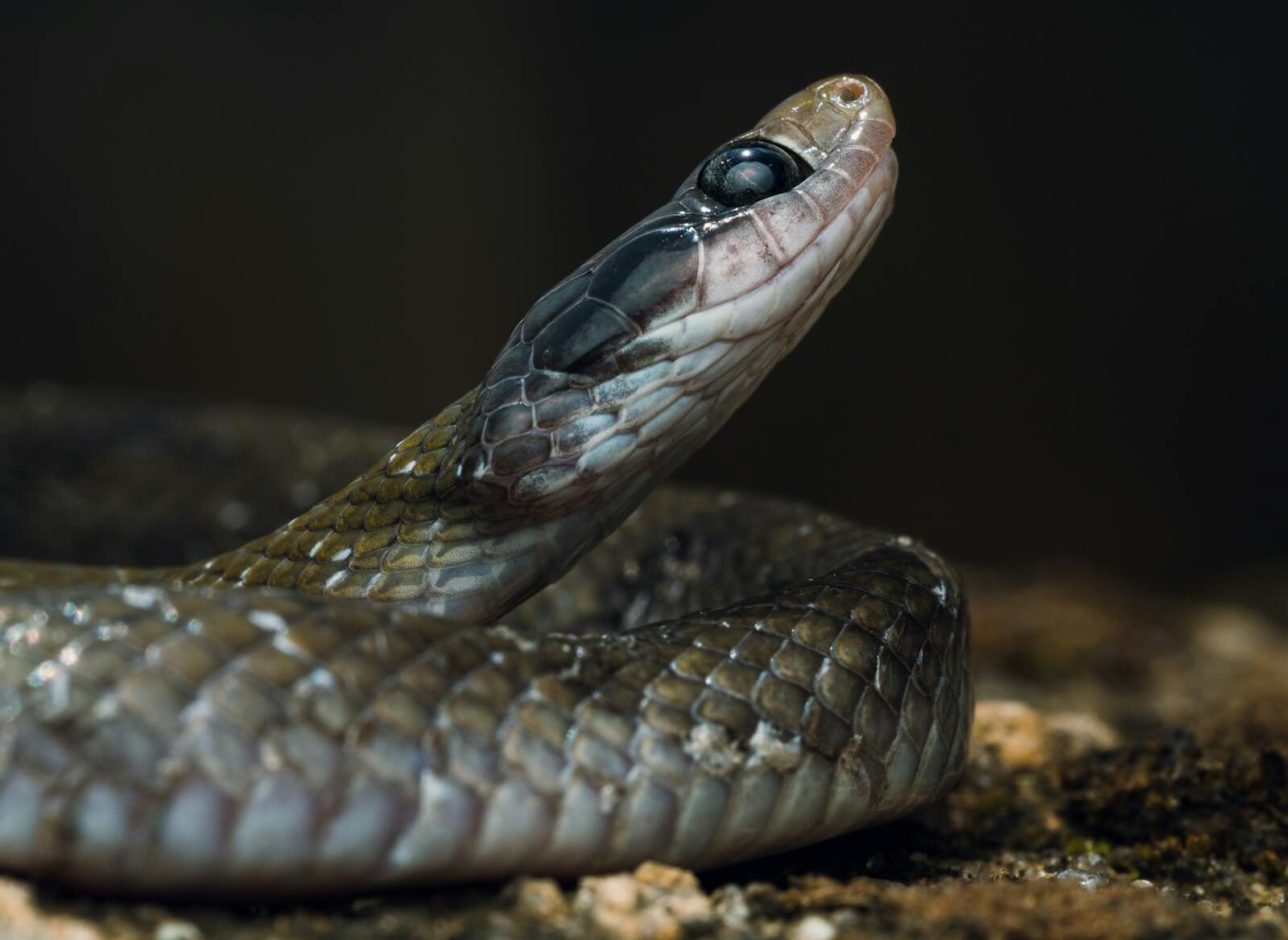
A Two-Headed Snake Hatched at a Texas Reserve and Lived Past Its First Year — Both Heads Make Independent Decisions and Sometimes Fight Each Other
A western rat snake with two fully functional heads has defied the odds at Cameron Park Zoo in Waco, Texas, captivating visitors and scientists alike. The rare snake, named Pancho and Lefty, was discovered as a baby in 2016 and has now survived for eight years despite having two separate brains that often send conflicting signals to its shared body. This condition, called bicephaly, makes even basic movements difficult as each head attempts to control where the snake goes.
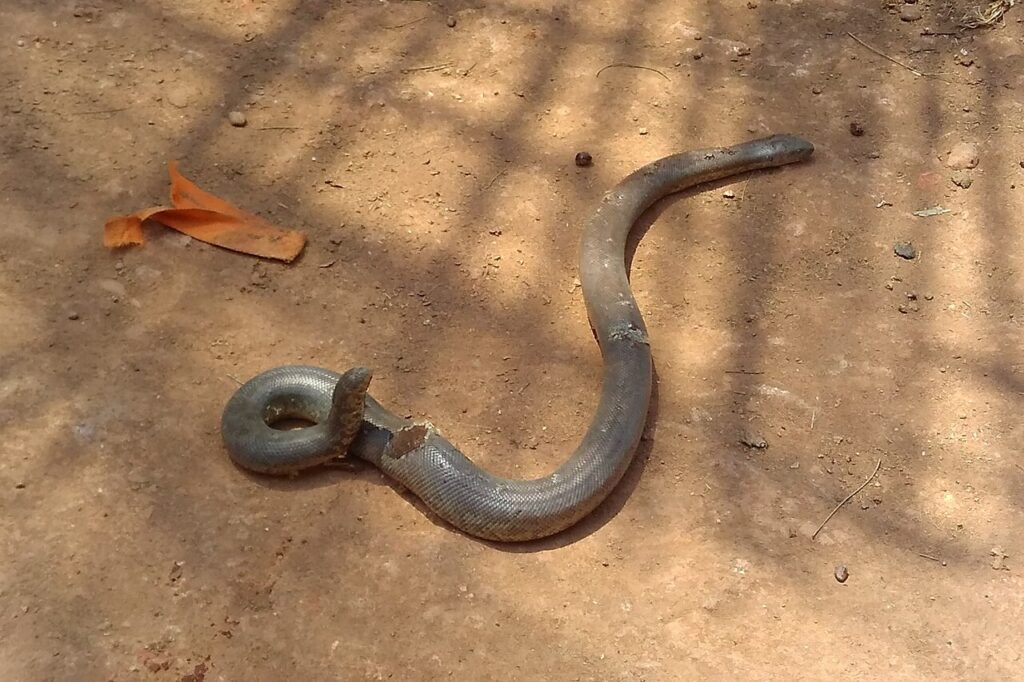
The two-headed snake’s journey has been anything but smooth. In 2021, Pancho and Lefty injured its left neck while the two heads tried to move in opposite directions simultaneously. The injury was serious enough that zookeepers removed it from public view for more than two years while it healed.
What makes this western rat snake particularly fascinating is how the two heads interact with each other. Each brain operates independently, sometimes leading to disagreements about which direction to slither or which head gets to eat. The right head has become more dominant over time, essentially dragging the left head along for the ride as it navigates its specially designed enclosure at the zoo.
Meet Pancho and Lefty: The Famous Two-Headed Snake
Pancho and Lefty is a western rat snake with two fully functioning heads, each with its own brain and personality. This remarkable two-headed western rat snake has called Cameron Park Zoo home since 2016 and has become one of the facility’s most popular residents.
Discovery in Waco and Arrival at Cameron Park Zoo
A woman living near Waco discovered the tiny snake in her backyard when it was just a baby. The eight-inch-long creature was estimated to be between six and eight weeks old at the time. She donated the unusual find to Cameron Park Zoo, where staff recognized the rarity of what they had.
The snake underwent an 18-month quarantine period before going on public display in 2018. This waiting period allowed zoo staff to monitor its health and ensure it wasn’t carrying any diseases. Biologists confirmed the snake had bicephaly, a rare condition where a single embryo starts to divide into identical twins but doesn’t fully separate.
Names, Personalities, and the Story Behind Them
The snake’s heads were named after a country western song, giving each brain its own distinct identity. Pancho is the left head, while Lefty is the right head.
When the snake first arrived at the zoo, the left head was more dominant and consumed most meals. However, things have shifted over the years. According to Maddie Michels-Boyce, senior zookeeper for reptiles and amphibians, the right brain now controls most movements while the left head is “seemingly just along for the ride.”
The two heads sometimes conflict with each other, sending different signals to their shared body. This coordination problem makes their movements awkward and uncoordinated.
Role at the Zoo and Public Reaction
The two-headed reptile lives in a specially designed enclosure within the freshwater aquarium building at Cameron Park Zoo. The exhibit contains only grass, with no rocks or branches that could injure the snake’s necks. This careful setup came after the snake injured its left neck in February 2021 while trying to move in opposite directions simultaneously.
After more than two years off exhibit for healing, the famous snake returned to public view in 2023. The snake is now eight years old and measures two to three feet long, slightly smaller than typical western rat snakes. Visitors flock to see this rare creature, making it one of the zoo’s most talked-about attractions.
Understanding Bicephaly in Snakes
Bicephaly occurs when an embryo starts to divide into identical twins but doesn’t fully separate, resulting in a single snake with two heads and two brains. Each head operates independently, which creates coordination challenges and sometimes leads to conflicts between the heads.
What Is Bicephaly and How Does It Occur?
Bicephaly is a form of polycephaly where incomplete embryonic splitting yields two heads on one snake. The condition happens during early development when twin embryos begin to separate but stop before fully dividing into two distinct individuals.
When this occurs in humans, it’s called conjoined twins. Scientists have traced this phenomenon back at least 150 million years through fossil discoveries, including a two-headed reptile fossil found in present-day China.
The condition is extremely rare. Incidence is estimated at 1 in 100,000 births among snakes.
Bicephalic snakes have been documented in 169 species across 93 genera. The degree of separation varies between individuals—some two-headed snakes have fully functional and independent heads, while others may have one dominant head controlling most body functions.
Why Two Brains Matter: Independent Decisions and Intra-Head Conflicts
Having two brains means the body receives signals from two separate command centers, which creates significant problems. Both heads tongue flick and react to movement, but not always in the same way.
The conflicting signals make movements uncoordinated and awkward. Each brain can make different decisions that inhibit the snake’s ability to function properly.
This becomes especially dangerous in crucial moments, like deciding which direction to flee from a predator. The heads sometimes even fight over food, competing with each other despite sharing the same digestive system.
Two-headed snakes are unlikely to survive in the wild because the two brains make different decisions. These coordination issues, combined with increased predation risk and feeding troubles, drastically reduce survival chances outside of captivity.
Other Notable Two-Headed Animals
While snakes are the most commonly documented two-headed animals, bicephaly isn’t limited to reptiles and amphibians. The condition can occur across various species, though it remains exceptionally rare in all cases.
In 2020, a family in Florida discovered a two-headed southern black racer snake after their cat dragged it into the house through the doggy door. Scientists have also noted other rare recordings, such as a venomous copperhead photographed in Virginia.
Two-headed animals have been observed in turtles, fish, and even some mammals, though documentation is limited. Most two-headed animals don’t survive long in nature due to the same coordination and survival challenges that affect bicephalic snakes.
Living With Two Brains: Behaviors and Challenges
Pancho and Lefty face daily struggles that typical snakes never encounter, from clumsy movements to disagreements over which direction to travel. The two-headed snake’s dual brains create constant complications in feeding, navigation, and basic survival.
Navigation Problems and Uncoordinated Movements
The two brains give conflicting commands to the single body, making Pancho and Lefty’s movements sporadic and awkward compared to normal snakes. Each head tries to control where the body goes, resulting in jerky, uncoordinated motion that makes even simple tasks difficult.
This coordination problem explains why two-headed snakes rarely survive in the wild. When a predator approaches, the conflicting escape signals from each brain can prove fatal. One head might want to flee left while the other insists on going right, leaving the snake frozen in indecision during critical moments.
The right brain has become much more dominant over time. According to the zoo’s senior zookeeper, the right brain now controls most of their direction, while the left brain just goes along for the ride.
Feeding Habits and Head Dominance
Feeding patterns have shifted dramatically since Pancho and Lefty first arrived at Cameron Park Zoo. The left head was originally dominant and consumed most meals, but that dynamic has completely reversed.
Now the right side calls the shots during feeding time as well as navigation. This shift in dominance affects how zookeepers manage the snake’s diet and overall care. Both heads still need proper nutrition, so staff must monitor that each side gets adequate food.
The competing heads sometimes create tension during meals. Each brain operates independently, meaning they can disagree about when to eat, what to eat, or which head gets to consume a particular meal first.
Injury Risks and How the Zoo Adapted the Habitat
In February 2021, the two-headed snake injured its left neck while trying to move in opposite directions simultaneously. This injury forced zookeepers to remove Pancho and Lefty from public view for over two years.
The wound took more than a year to heal, and veterinarians gave the snake an additional year off exhibit to ensure full recovery. Once ready to return, the zoo completely redesigned the habitat for safety.
The new enclosure in the freshwater aquarium building contains only grass—no rocks or branches that could snag either neck. This minimalist design provides cover for the snake to feel secure while eliminating hazards that caused the previous injury. The zoo hopes this setup will prevent future accidents while still allowing visitors to observe this rare creature.
Survival in the Wild Versus Captivity
Two-headed snakes face dramatically different survival prospects depending on their environment, with wild specimens rarely lasting more than days while captive individuals can live for years with proper care. The coordination challenges and feeding complications that prove fatal in nature become manageable obstacles under expert supervision.
Why Survival Rates Are Low for Two-Headed Snakes
Two-headed snakes struggle with coordination because each brain attempts to control the same body independently. This creates jerky, uncoordinated movements that make them easy targets for predators and poor hunters.
Feeding presents another critical problem. Both heads try to eat for the same body, leading them to compete over captured prey. This competition can result in choking if they consume food too hastily or starvation if the heads fight too much over meals.
The incidence of bicephaly occurs in approximately one in 100,000 births. Most two-headed animals don’t survive their first few days in the wild due to these compounding challenges. Anatomical issues from duplicated organs add further complications that reduce their chances of survival.
Adaptations for Longevity at Cameron Park Zoo
Cameron Park Zoo staff implemented specialized care protocols to help their two-headed southern black racer thrive past its first year. The controlled environment eliminates predation risks and allows handlers to manage feeding carefully.
Zookeepers monitor both heads during meals to prevent competition and ensure adequate nutrition reaches the shared body. A two-headed kingsnake lived for 17 years in captivity with similar attention, demonstrating how expert care extends lifespans far beyond what’s possible in nature.
The zoo’s reptiles and amphibians team tracks the snake’s development and behavior patterns. Each head displays distinct preferences and decision-making, requiring handlers to understand both personalities for effective care.
Community Involvement and Zoo Support
The two-headed animal became an educational ambassador for the zoo, drawing visitors interested in rare genetic phenomena. Public interest helps fund the specialized resources needed for its ongoing care.
Zoo staff use the snake to teach visitors about bicephaly and developmental biology. The specimen provides researchers opportunities to study how dual brains coordinate movement and process environmental stimuli in real-time.
The Western Rat Snake: Species Facts and Local Habitat
The western rat snake thrives across central North America with specific habitat preferences and physical traits that distinguish it from other reptiles. Understanding its natural range, behavioral patterns, and care requirements provides context for unusual specimens like two-headed individuals.
Western Rat Snake Range and Ecology
The western rat snake can be found west of the Mississippi River, spanning from southern and eastern Iowa southward through Arkansas and Missouri to western Louisiana. The range extends westward to eastern Texas and northward through eastern Kansas and Oklahoma to southeastern Nebraska.
These snakes live in diverse habitats including prairies, bayous, and rocky outcrops. They’re particularly common around farm buildings and wooded areas where their prey congregates.
Western ratsnakes are one of Missouri’s largest and most familiar snakes, often called “black snakes” by locals. Their glossy black appearance makes them seem imposing despite being harmless to humans. In Texas reserves near Waco and other central regions, these snakes play crucial roles as rodent control agents.
The species adapts well to human-modified landscapes. Agricultural settings provide ideal hunting grounds where they destroy many rodent pests.
Typical Behavior Versus Two-Headed Variants
Normal western rat snakes are solitary hunters that kill prey through constriction. They eat rodents, small rabbits, bats, bird eggs, and occasionally lizards. Young snakes consume frogs, lizards, and insects before transitioning to larger prey.
These skilled climbers frequently scale trees to raid bird nests for eggs and young. When threatened, they vibrate their tails and release a pungent musk from glands at the tail base. Some will bite in self-defense when cornered.
Two-headed specimens face unique challenges that typical rat snakes never encounter. Each head operates independently, making decisions about movement and feeding. This can create coordination problems during hunting or movement. The heads sometimes compete over food or directional choices, requiring both to cooperate for basic survival tasks that single-headed snakes perform instinctively.
Physical Characteristics and Care
Adult western rat snakes measure 42 to 72 inches long, occasionally reaching over 86 inches. The back appears shiny black, though some individuals display dark brown or black blotches, especially younger adults. Skin between the scales along the sides may show red coloring.
Coloration changes:
- Juveniles: Gray or tan with distinct dark brown or black blotches
- Adults: More uniform black after one to two years of growth
The belly is white with the front portion sometimes checkered with black. Western rat snakes can spread their head to look diamond-shaped like a pit viper, though their eyes remain visible from above unlike venomous snakes.
Reptiles and amphibians in captivity require specific environmental conditions. Temperature regulation proves critical since these species are ectothermal and cannot produce their own body heat. Two-headed specimens need extra monitoring to ensure both heads receive adequate nutrition without overfeeding the shared body.
Spotlight and Media Coverage
The snake’s unusual condition drew significant attention from local and national media outlets, bringing widespread awareness to this rare phenomenon. Cameron Park Zoo staff members became key voices in educating the public about the challenges faced by two-headed reptiles.
Dallas Morning News and Public Awareness
Local Texas media played a crucial role in bringing Pancho and Lefty’s story to audiences across the state. The two-headed western rat snake attracted attention when it first arrived at Cameron Park Zoo in 2016 after being discovered in a Waco family’s backyard.
News coverage helped explain why this condition is so remarkable. The snake became featured at Cameron Park Zoo in Waco where visitors could observe the coordination challenges firsthand. Media reports emphasized that two-headed snakes rarely survive long in wild conditions.
When the snake returned to public display in August 2023, it generated renewed interest. National outlets like Newsweek covered the story, explaining how the zoo had spent over a year treating a neck wound before the snake could safely be exhibited again.
Meet the Care Team: Maddie Michels-Boyce and Others
Cameron Park Zoo’s veterinary and reptile teams worked together to ensure the snake’s survival. The staff monitored the animal’s health closely, tracking feeding patterns and movement coordination between the two heads.
The care team faced unique challenges when treating injuries. They had to bandage and clean neck wounds that resulted from the heads trying to move in conflicting directions. This required specialized knowledge and patience over many months of recovery time.
Zoo staff designed a safer enclosure environment with minimal obstacles to prevent future injuries. Their dedication reflected the broader mission of educating visitors about rare biological conditions while maintaining high standards of animal welfare.