The Tongue-Eating Louse Crawls Into a Fish’s Mouth, Eats Its Tongue, and Permanently Replaces It — The Fish Then Uses the Parasite to Eat for Life
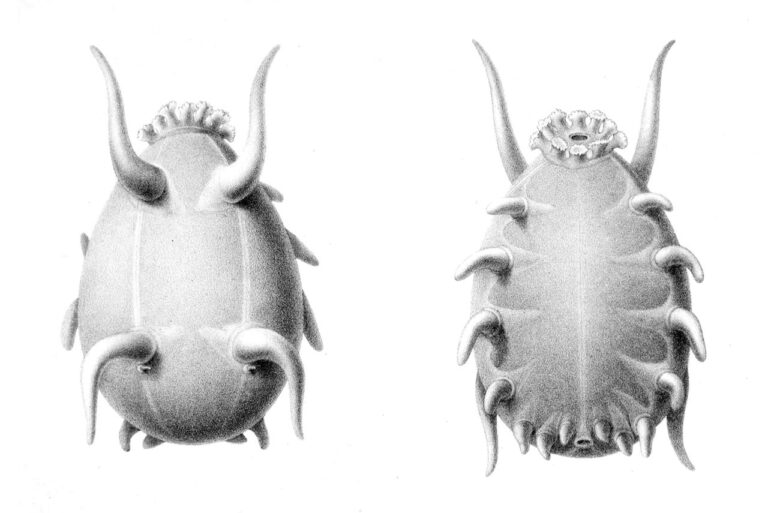
The ocean harbors countless bizarre creatures, but few are as unsettling as Cymothoa exigua, commonly known as the tongue-eating louse. This parasitic isopod enters a fish through its gills, severs the blood vessels in the tongue until it dies and falls off, then attaches itself to the remaining stub and functions as a replacement tongue for the rest of the fish’s life. It’s the only known parasite that completely consumes and replaces an entire organ of its host.
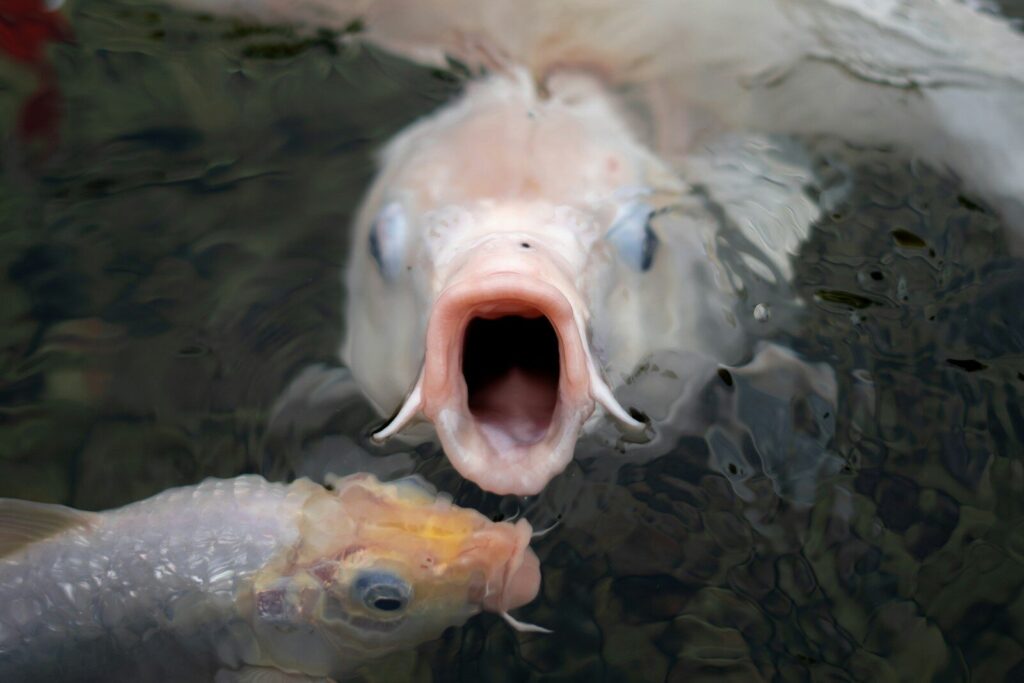
Despite how disturbing this sounds, the tongue-eating louse isn’t harmful to humans, though it regularly shows up in commercially caught fish like snappers. The fish itself often survives with its new parasitic tongue, using the louse to help manipulate food just as it would have used its original tongue. This creates one of nature’s strangest examples of parasitism, where the creature causing harm simultaneously becomes a functional body part.
Understanding how this parasitic isopod operates reveals fascinating details about marine ecosystems, the complex life cycles of ocean parasites, and the surprising ways fish can adapt to extreme circumstances. From reproduction strategies to geographic distribution, the biology of Cymothoa exigua challenges common assumptions about what parasites can do to their hosts.
How the Parasite Hijacks and Replaces the Fish’s Tongue
The tongue-eating louse executes a precise takeover that unfolds in stages, beginning with entry and ending with permanent replacement. The parasitic isopod severs blood vessels, causes the original tongue to die, and attaches itself to function as a living substitute.
Entry Through the Gills and Attachment
Cymothoa exigua begins life as a free-swimming juvenile searching for a fish host. The tiny isopod crustacean enters through the gills during this mobile phase, which doesn’t last long.
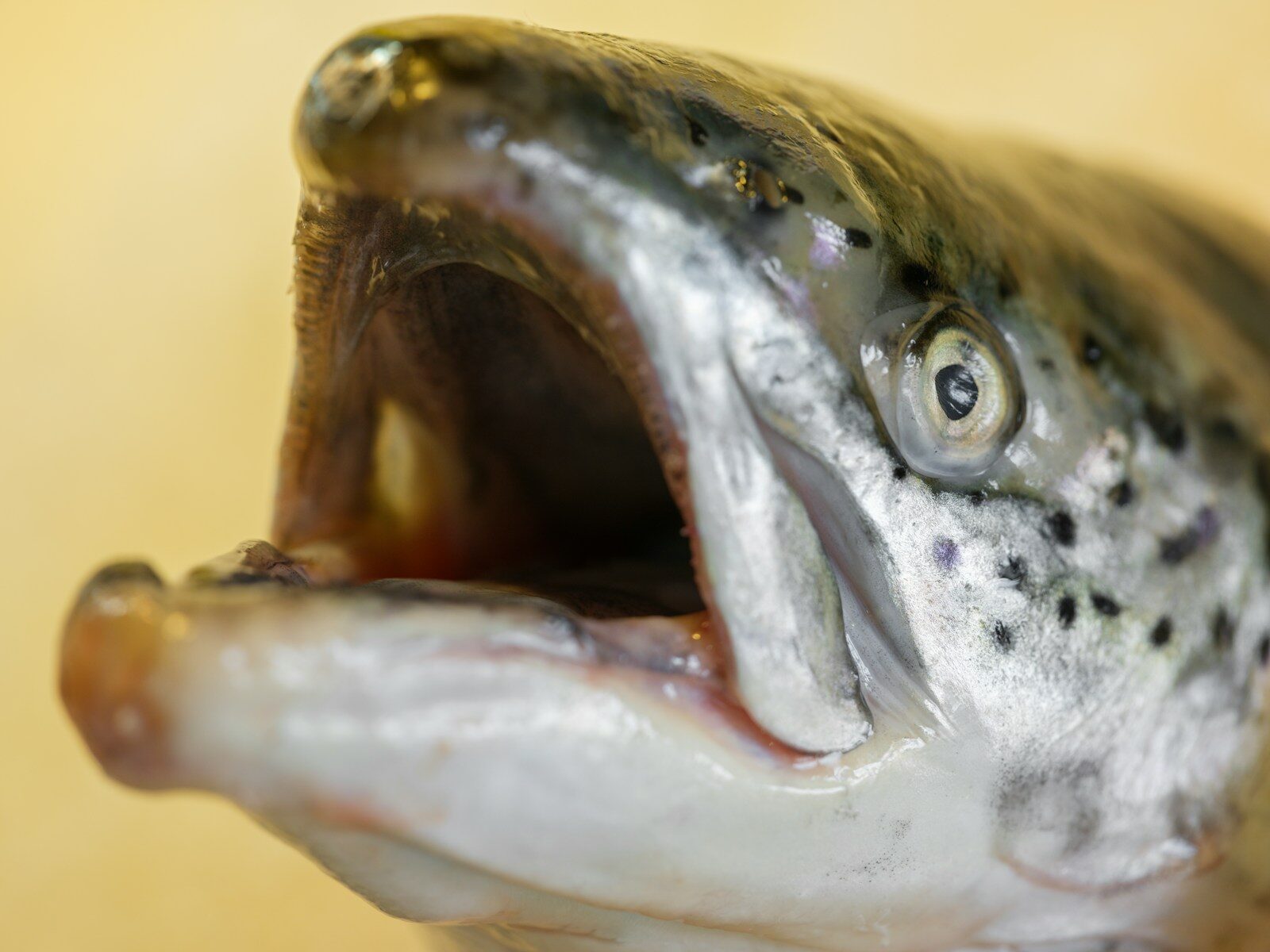
Once inside, the parasite makes its way to the fish’s mouth. Using sharp claws on its front legs, it clamps down onto the tongue with a grip tight enough to stay attached permanently. The fish host can’t dislodge it through normal movements or attempts to remove it.
All cymothoa exigua individuals enter as males since they’re protandric hermaphrodites. The first one to arrive attaches to the gills initially and feeds on blood. If a second male enters the same fish, the first develops into a female who then moves to the tongue itself.
Blood Vessel Severing and Tongue Loss
The tongue-eating louse uses its front claws to sever blood vessels in the fish’s tongue. This cuts off the blood supply completely. Without blood flow, the tongue tissue begins to die through a process called necrosis.
The parasite feeds on the blood during this phase. As tissue death progresses, the tongue withers away. Eventually the entire tongue falls off, leaving only a stub of tissue at the base where it was originally attached.
This process doesn’t happen instantly. The tongue-eating parasite gradually destroys the organ while maintaining its position in the mouth. The timing varies, but the end result stays consistent across different fish hosts.
Becoming the Fish’s New Tongue
After the original tongue is gone, the tongue-eating louse attaches its body to the remaining tissue stub. The isopod positions itself exactly where the tongue used to be. It becomes a functional replacement that the fish actually uses.
The fish host can manipulate food using the parasite as a prosthetic organ. The tongue-eating parasite continues feeding on blood and mucus from the fish while serving this dual purpose. It’s the only isopod species known to completely consume and replace a host’s tongue.
The cymothoa exigua can live up to three years in this position and grows along with its host. Female parasites reach 8-29 mm in length while males stay smaller at 7.5-15 mm. The relationship continues until either the fish or the fish tongue biter dies first.
Life Cycle and Reproduction of Cymothoa exigua
The tongue-eating louse begins life as a free-swimming juvenile before finding a fish host and undergoing a sex change from male to female. These parasitic isopods have developed a unique reproductive strategy where the first parasite to enter a host becomes female, while later arrivals remain male to fertilize her eggs.
Juvenile Stage and Finding a Host
Cymothoa exigua starts out tiny and independent. These juvenile parasitic isopods have a short free-living phase where they swim through ocean waters searching for suitable fish hosts.
The juveniles primarily target fish in shallow coastal waters between 2 to 60 meters deep. They show a preference for the Lutjanidae family, commonly known as snappers, though they’ll also infest grunts, drums, and other species. Once a juvenile locates a potential host, it enters through the fish’s gills and initially attaches there.
All juveniles enter as males at this stage. The young isopod feeds on blood from the gill area until it grows large enough to make its next move into the mouth cavity.
Protandric Hermaphroditism Explained
Members of Cymothoidae display protandrous hermaphroditism, meaning they all start life as males before transitioning to female. The first male Cymothoa exigua to successfully establish itself in a host’s mouth will develop into a female and migrate to the tongue.
If a second male enters the same host, something interesting happens. The presence of another male triggers the first to transform into a female after reaching at least 10 mm in length. Scientists suspect the female may release pheromones that prevent additional males from changing sex.
This sexual dimorphism is obvious in adult size. Females measure 8-29 mm long and 4-14 mm wide, while males only reach 7.5-15 mm long and 3-7 mm wide. Only the female takes over the tongue position, while males remain attached to the gill arches.
Mating and Offspring
Once a female has fully developed and replaced the fish’s tongue, the male fertilizes her eggs. The female carries her brood in a ventral marsupium, a protected pouch on her underside typical of isopods.
A single brood can contain over 400 eggs. There’s debate about whether these parasites produce one or multiple broods during their lifetime, though size variation suggests they may reproduce several times over a lifespan of up to three years.
After hatching, the larvae are immediately solitary and self-sufficient. They enter the water column to begin their own search for hosts, repeating the cycle without any parental care.
Impact on the Host Fish
While the tongue-eating louse successfully takes over a fish’s tongue and the fish can technically continue living, this parasitic relationship creates several documented problems for the host, from weight issues to tissue damage.
Effects on Feeding and Survival
The tongue-eating parasite affects fish feeding capabilities in ways that often leave the host underweight and struggling. Fish infested with two or more of these parasites are usually underweight, likely because they have difficulty eating properly.
The parasite targets multiple commercially important species. It commonly infests menhaden, drums, silverside, and various snapper species including the Colorado snapper and Jordan’s snapper.
Some researchers have suggested that cymothoa exigua simply acts as a functional replacement tongue. However, this optimistic view doesn’t hold up well against the evidence. Studies show there are actually quite a few negative effects from these parasitic infestations, though the severity varies from fish to fish.
Health Consequences for Fish
Beyond feeding difficulties, the tongue-eating louse causes additional health problems for its fish host. Infected fish may experience tissue damage and growth issues as direct results of harboring the parasite.
The effects aren’t uniform across all hosts. Some fish are affected quite negatively while others aren’t affected at all, creating an unpredictable outcome for any individual host.
After cymothoa exigua completely replaces the host’s tongue, some specimens feed on the host’s blood and mucus. This ongoing feeding relationship continues throughout the parasite’s life, which can last up to three years as it grows alongside its host.
Unusual Fish Adaptations
Despite the damage caused during initial infestation, the fish host develops a remarkable ability to work with its new situation. The host is able to use the parasite like a prosthetic organ, manipulating it for basic tongue functions during feeding.
The parasite remains attached to the tongue stub and moves somewhat like a natural tongue would. This allows the fish to continue eating, even if less efficiently than before.
Many fish actually outlive their isopod parasites. When the parasite dies first, the fish continues living without either its original tongue or the replacement. What happens to the parasite after its host dies remains unknown in wild populations, though survival without a host seems unlikely.
Diversity of Parasitic Isopods and Related Species
The Cymothoidae family contains roughly 400 described species of parasitic isopods, each with specific preferences for where they attach to their host fish. While Cymothoa exigua stands out for completely consuming and replacing a fish’s tongue, other related species employ different strategies, from clinging to scales to burrowing into flesh.
The Cymothoidae Family and Genera
The Cymothoidae family encompasses 383 species spread across various genera, all of which parasitize different types of fish worldwide. About eight genera specifically target the mouth area of their hosts, accounting for roughly 100 species found globally.
The genus Cymothoa includes multiple species beyond C. exigua. Cymothoa elegans parasitizes the mouth, lips, or gills of its host but doesn’t replace organs like its tongue-eating relative. Another recently discovered species, Cymothoa facimar, shares morphological similarities with C. exigua but features larger, slenderer adult females with distinct differences in their body segments.
Cymothoid species show remarkable host and site specificity, with some parasitizing the same fish species for over a century. This specialization extends to the genus or species level, determining whether a parasitic isopod targets gills, mouths, external surfaces, or internal flesh.
Other Tongue Biters and Organ-Replacing Parasites
Only Cymothoidae isopods are known to consume and replace host organs, making them unique among parasitic crustaceans. Besides C. exigua, two other species demonstrate organ-interfering behavior: C. borbonica and Ceratothoa imbricata.
C. borbonica attaches to fish tongues and has been documented reducing the growth of largespot pompano in studies. Ceratothoa imbricata similarly targets the oral cavity of its hosts. However, C. exigua remains the only species that fully consumes a tongue and permanently replaces it as a functional organ.
These tongue-targeting parasites share common traits, including their protandrous hermaphroditism and their ability to manipulate host tissue through blood vessel severance.
Attachment Strategies: Scale-Clingers, Flesh-Burrowers, and More
Cymothoid isopods have evolved specialized attachment methods based on their preferred location on the host. These parasites adapt to specific areas, which breaks down into several distinct categories:
Attachment Types:
- Mouth-dwellers — Species like C. exigua that occupy the oral cavity
- Gill-dwellers — Parasites that attach to gill arches and feed on blood flow
- Scale-clingers — Isopods with specialized appendages for gripping external surfaces
- Flesh-burrowers — Species that penetrate and embed themselves within host tissue
Each cymothoid isopod has mouthparts and claws adapted to its specific niche. Scale-clingers possess hook-like appendages for maintaining grip on slippery surfaces. Flesh-burrowers feature more robust cutting structures for penetrating skin and muscle tissue.
Distribution and Habitats
Cymothoa exigua primarily inhabits the coastal waters of the eastern Pacific Ocean, with a range extending from California down through Mexico and into parts of Central and South America. This parasitic isopod prefers shallow marine environments where its preferred fish hosts are abundant.
Where Cymothoa exigua is Found
The tongue-eating louse lives in coastal waters of the eastern Pacific Ocean, with its native range concentrated along the western coasts of North and Central America. It thrives in relatively shallow seas, typically found at depths ranging from 2 meters to 60 meters deep.
The parasite shows a strong preference for warm, tropical to subtropical waters where its host fish populations are most dense. These shallow coastal zones provide ideal conditions for the isopod’s lifecycle, offering plenty of opportunities to encounter potential hosts.
The Gulf of California represents one of the primary regions where this species naturally occurs. The warm, productive waters of this area support large populations of snappers and other fish species that serve as hosts for the parasite.
Common Regions and Notable Locations
Cymothoa exigua commonly parasitizes fish from the Lutjanidae family, particularly various species of snappers in the Eastern Pacific. The parasite has been documented infecting eight different fish species across multiple families, including snappers, grunts, drums, and menhaden.
It also targets silversides like the grunion. New host species continue to be identified, with recent discoveries including the Colorado snapper and Jordan’s snapper from Costa Rican waters.
In 2005, a parasitized red snapper was discovered in the United Kingdom, leading to speculation about range expansion. However, the isopod likely traveled inside the fish’s mouth after the snapper was caught in its native range and commercially imported. The Gulf of Guayaquil in Ecuador represents another confirmed location where this parasitic isopod has been found establishing itself in local fish populations.
Ecological and Human Context
Cymothoa exigua plays a specific role in marine food webs while intersecting with human commercial fishing interests. The parasitic isopod affects fish populations and economies in measurable ways, though many misconceptions surround its actual impact on people.
Role in Marine Ecosystems
The tongue-eating louse helps control fish populations in coastal waters of the eastern Pacific Ocean. It primarily targets species in the Lutjanidae family, commonly known as snappers, but also infests eight other fish species across multiple families.
Parasitic isopods like Cymothoa exigua influence the health and stability of their fish hosts. Infested fish with two or more parasites tend to be underweight due to eating difficulties. Some hosts experience tissue damage and growth issues, while others show minimal effects from infestation.
The parasitic isopod inhabits shallow seas between 2 meters and 60 meters deep, where potential hosts are abundant. Its presence affects fish behavior and survival rates, though the full ecological impact remains under active study by marine biologists.
Relationship with Commercial Fish and Human Activity
Cymothoa exigua appears regularly in commercially valuable species like snappers shipped worldwide for consumption. The parasite creates economic concerns for the fishing industry, as infested fish may appear less appealing to consumers and potentially suffer reduced market value.
A notable lawsuit in Puerto Rico involved a customer who claimed poisoning after eating an isopod cooked inside a snapper. The case was dropped because parasitic isopods are not harmful to humans, and some cultures even consume isopods as part of their regular diet.
The parasites may bite if handled or separated from their fish host. They pose no toxic threat to people, though their unsightly appearance in fish mouths can affect consumer perception and commercial value.
Misconceptions and Fun Facts
Many people incorrectly believe the tongue-eating louse is dangerous to humans or that it represents an expanding threat. A 2005 discovery of an infested red snapper in the United Kingdom sparked speculation about range expansion, but the isopod likely traveled in the fish’s mouth after commercial import from the Gulf of California.
Key characteristics include:
- All Cymothoa exigua start life as males before switching to female
- Females grow 8-29 mm long, while males reach only 7.5-15 mm
- They can live up to three years inside their fish host
- A single brood may contain over 400 eggs
Cymothoa exigua remains the only known animal to completely replace a body part of another organism in both form and function. The fish host continues eating normally with the parasitic isopod serving as a working tongue replacement.