Goats Have Rectangular Pupils That Give Them a 320-Degree View of Their Surroundings — The Shape Helps Them Spot Predators While Their Heads Are Down Grazing
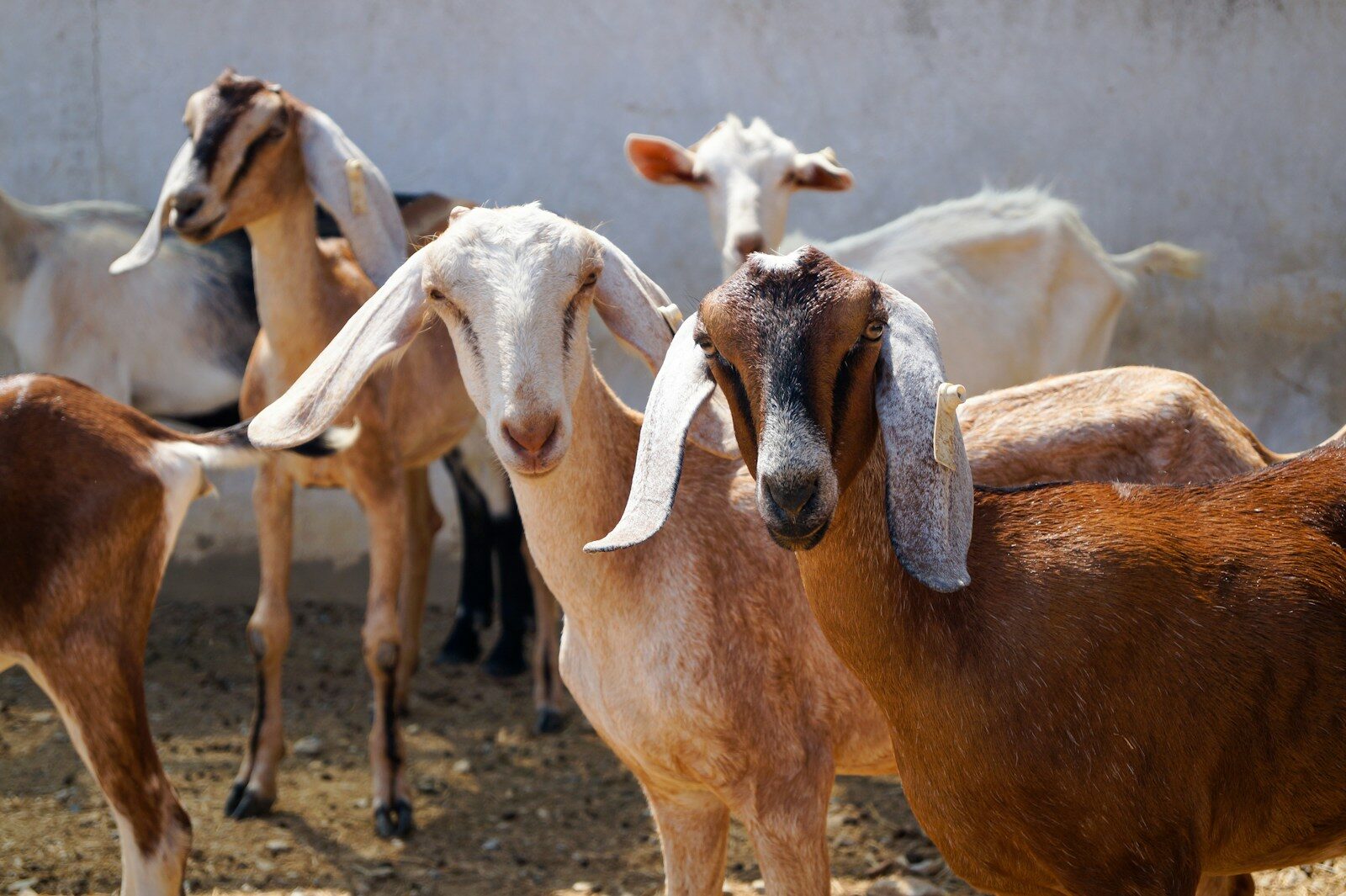
If you’ve ever looked closely at a goat, you might have noticed something unusual about their eyes. Unlike the round pupils that humans and many other animals have, goats have rectangular pupils that stretch horizontally across their eyes. It’s one of those odd features that makes you wonder what evolutionary advantage could possibly explain such a weird design.
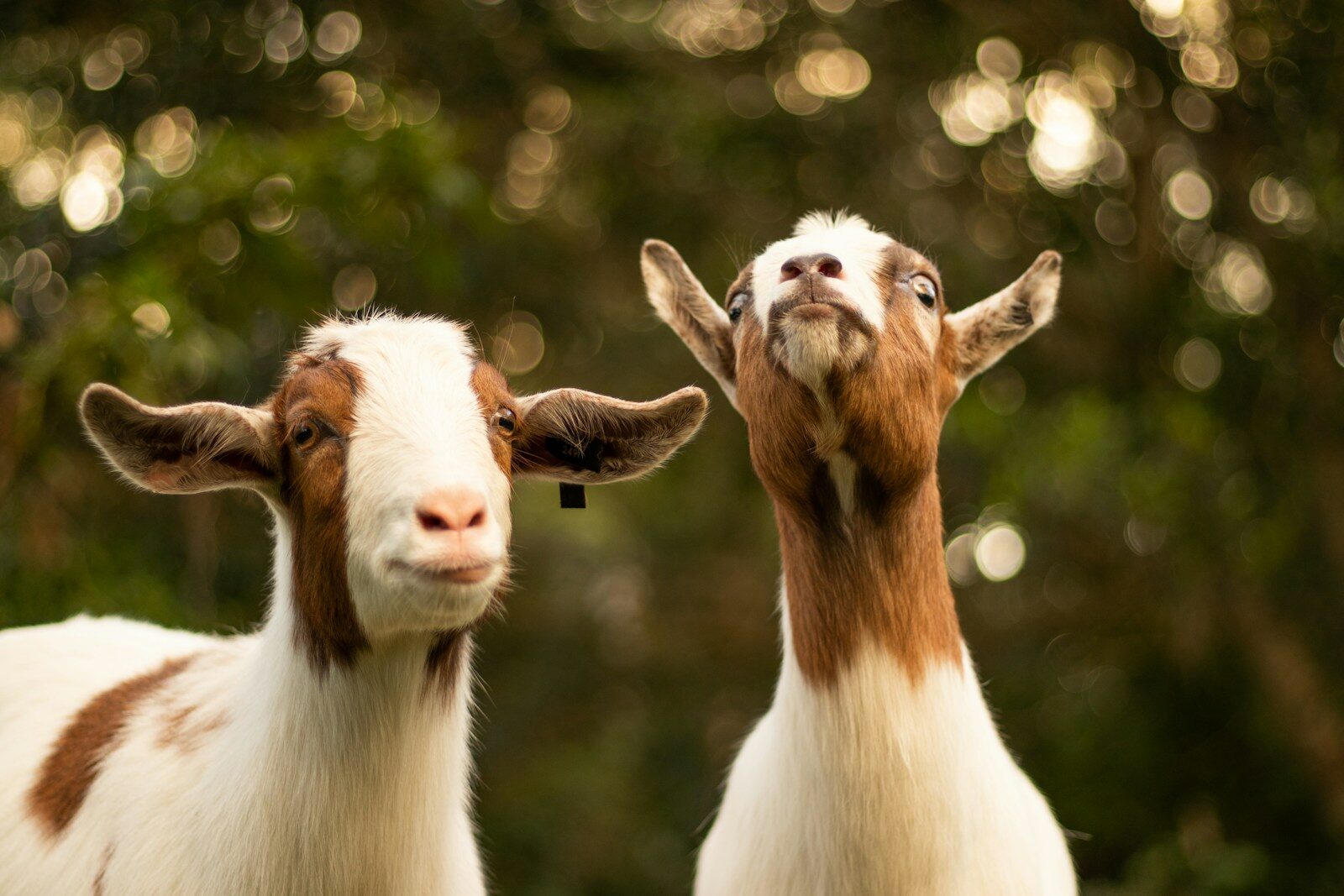
Goats’ rectangular pupils provide them with a field of vision spanning 320-340 degrees, allowing them to see almost entirely around themselves without moving their heads. This panoramic view is critical for prey animals that need to watch for predators while grazing. When a goat’s head is down munching on grass, those horizontal slits maintain a wide scan of the surroundings, detecting threats approaching from nearly any direction.
The shape of goat eyes isn’t just a random quirk of nature. Research on pupil shapes across hundreds of species has revealed that herbivores typically have rectangular pupils as a defense mechanism, while predators often have vertical slits to better judge distances when pouncing on prey. Understanding how these unusual pupils work reveals fascinating insights into how goats perceive the world around them.
Why Goats Have Rectangular Pupils
Goats evolved rectangular pupils as a survival mechanism tied directly to their role as prey animals in the wild. These horizontal eye slits provide specific visual advantages that help herbivores detect threats and navigate terrain while grazing.
Evolutionary Advantages in Prey Animals
Research analyzing 214 land species found that pupil shape links directly to an animal’s ecological role. Herbivores like goats developed rectangular pupils as a defense adaptation since they lack the physical weapons predators possess.
The horizontal orientation creates a panoramic field of vision that lets goats scan their environment without moving their heads. This becomes critical when their heads are down eating grass and they’re most vulnerable to attack.
Key survival benefits include:
- Detection of threats approaching from multiple directions
- Ability to monitor surroundings while grazing
- Enhanced forward vision for navigating rough terrain quickly
Goats can rotate their eyes more than 50 degrees per eye when bowing their heads down. This keeps the horizontal slits parallel to the ground at all times. Even while grazing, they maintain constant surveillance of their surroundings for lurking predators.
Comparison With Predators and Other Pupil Shapes
Predators typically have vertical slit pupils that help them judge distance accurately for pouncing on prey. This fundamental difference shows how pupil shape evolved based on whether an animal hunts or gets hunted.
Round pupils like those in humans restrict peripheral vision significantly. They work well for forward-focused tasks but provide limited awareness of side threats.
Goats share their distinctive pupil shape with other grazing animals. Sheep and horses also have rectangular pupils for similar defensive reasons. Domestic cats and some foxes have vertical slits suited to their predatory lifestyle.
The rectangular shape maintains wide horizontal scanning even when a goat’s head is lowered to graze. Round pupils would severely limit this peripheral awareness during feeding.
Unique Anatomy of Goat Eyes
Goat eye anatomy features horizontally elongated pupils positioned in laterally placed eyes. Their eyes sit more on the sides of their heads rather than facing forward like human eyes.
This arrangement allows goats to view nearly 320 to 340 degrees around them without turning their heads. The elongated shape filters light horizontally and increases visual clarity across a wide field.
The pupils adjust based on lighting conditions. In bright light, they constrict into thin horizontal slits. In darkness or dim conditions, they dilate into wider rectangles to capture more available light.
This adaptive feature gives goats better night vision since predators often hunt under cover of darkness. The rectangular shape allows more light to enter the retina compared to constricted round pupils.
How Rectangular Pupils Affect Goats’ Vision
The horizontal, rectangular shape of goat pupils fundamentally changes how these animals perceive their environment, providing them with an exceptionally wide visual field that spans 320-340 degrees. This unique eye structure enhances their ability to detect movement across a broad area while simultaneously allowing precise control over light intake.
Panoramic Visual Field and Peripheral Awareness
Goats have pupils which become more rectangular in bright light, enhancing their horizontal focus significantly. The horizontal slit design creates a visual field of 320-340 degrees, giving goats nearly panoramic vision without turning their heads.
This exceptional peripheral vision means goats can monitor almost everything around them at once. They can see threats approaching from the sides and even partially behind them while focusing on what’s directly in front. The rectangular shape specifically optimizes horizontal scanning, which is exactly what grazing animals need to watch for predators approaching along the ground.
Key advantages of this peripheral awareness include:
- Detection of movement across a wide horizontal plane
- Simultaneous monitoring of multiple directions
- Reduced need for head movement while feeding
Field of Vision Dimensions and Blind Spots
While goats have excellent peripheral vision, their visual coverage isn’t completely perfect. The 320-340-degree range leaves a small blind spot directly behind them, typically spanning only 20-40 degrees.
This narrow blind spot is significantly smaller than what animals with round pupils experience. Humans, for comparison, have a visual field of roughly 180 degrees, meaning goats can see nearly twice as much of their surroundings. The rectangular pupils also enhance depth perception along the ground plane, helping goats navigate rocky terrain and uneven surfaces where they typically live and graze.
Eye Rotation While Grazing
Goats can rotate their eyes within their sockets to maintain their rectangular pupils parallel to the ground even when their heads are tilted down. This ability ensures their panoramic field of vision remains effective regardless of head position.
When a goat lowers its head to graze, its eyes rotate up to 50 degrees to keep the horizontal pupils level with the horizon. This rotation means the shape of a goat’s pupil offers several advantages specifically for detecting predators during vulnerable feeding times. The pupils stay oriented to scan the landscape rather than pointing uselessly at the sky or ground, maintaining constant surveillance of potential threats approaching from any direction.
Predator Detection and Survival Benefits
The rectangular pupil shape gives goats a massive advantage when it comes to staying alive in the wild. Their wide field of view spanning 320-340 degrees means they can detect threats approaching from almost any direction, while their ability to keep the horizon level ensures they never lose sight of their surroundings.
Spotting Threats While Grazing
When a goat lowers its head to graze, it’s in a vulnerable position. Predators like wolves, leopards, and eagles could attack from multiple angles during this critical moment.
The rectangular pupil shape allows goats to maintain constant awareness even when their heads are down. They can rotate their eyes more than 50 degrees per eye—about 10 times more than humans can. This rotation keeps their horizontal pupils parallel to the ground at all times, ensuring their panoramic view stays intact.
As prey animals, goats evolved this visual system to prioritize predator detection over other visual capabilities. Unlike animals with round pupils that need to turn their heads to scan for danger, goats can spot threats from the sides without moving. This means they can keep eating while staying alert, which is essential for survival.
Keeping the Horizon in Focus
The horizontal orientation of goat pupils does more than expand their field of view. It enhances the image quality of objects directly in front of them, which helps them navigate rough terrain quickly when escaping danger.
This adaptation creates what researchers describe as a dual benefit. Goats need panoramic vision to detect predators approaching from various directions, but they also need clear forward vision to guide rapid movement across potentially hazardous ground. The rectangular shape accomplishes both tasks simultaneously.
The pupils also adjust based on lighting conditions. In bright light, they constrict into thin horizontal slits. In darkness, they dilate into wider rectangles to capture more available light.
Binocular Versus Monocular Vision
Goats primarily rely on monocular vision, where each eye operates independently to cover different areas. This contrasts with predators that use binocular vision for better depth perception when hunting.
The trade-off is intentional. While goats don’t have the same depth perception as hunters, their peripheral vision is far superior. They sacrifice some ability to judge distances in favor of detecting movement across a much broader range.
Key differences in vision types:
- Monocular vision (goats): Wide coverage, excellent for spotting danger
- Binocular vision (predators): Overlapping fields, better for judging distance
This visual strategy perfectly matches their role as prey animals that need to spot and escape threats rather than chase them down.
Balancing Depth Perception and Vision Range
Goats’ rectangular pupils sacrifice some visual precision for survival advantages. While humans excel at judging distances with forward-facing eyes, goats prioritize detecting threats across their expansive visual field.
Sacrifices in Depth Perception
The side placement of goat eyes limits their binocular vision—the overlapping visual area where both eyes see the same thing. This overlap is essential for depth perception, which allows animals to accurately judge how far away objects are. Humans have better visual acuity and depth perception than goats because our forward-facing eyes create a larger zone of binocular overlap.
Goats trade this three-dimensional precision for panoramic awareness. Their laterally positioned eyes create minimal overlap in their visual field, meaning they can’t judge distances as accurately as predators with forward-facing eyes. This makes sense for prey animals that need to detect movement and threats rather than chase down fast-moving targets.
The rectangular pupil shape further emphasizes horizontal scanning over depth judgment. It’s designed for spotting danger across the landscape rather than pinpointing exactly how far away a blade of grass sits.
How Goats Compensate in Rough Terrain
Despite limited depth perception, goats navigate rocky cliffs and steep mountainsides with remarkable skill. They rely on motion parallax—moving their heads to gather depth information from different angles. As they shift position, objects at varying distances appear to move at different speeds relative to each other.
Their excellent peripheral awareness also helps them place their feet carefully on uneven ground. They can monitor the terrain directly beneath and around them without losing sight of potential threats. Experience and memory play crucial roles too, as goats learn familiar paths and remember which surfaces provide stable footing.
Night Vision and Light Adaptations
Goats possess specialized eye structures that allow them to see effectively in both bright sunlight and low-light conditions. Their rectangular pupils work in tandem with reflective tissue to maximize visual capability across varying light environments.
The Role of the Tapetum Lucidum
Goats have a reflective layer behind their retinas called the tapetum lucidum. This tissue acts like a mirror, bouncing light back through the retina a second time to enhance visibility in dim conditions.
The tapetum lucidum is what causes the eerie glow when light hits a goat’s eyes at night. This same structure exists in many nocturnal and crepuscular animals, including cats and deer. For goats, it’s particularly useful during dawn and dusk grazing periods when predators are most active.
The reflected light gives photoreceptor cells another chance to capture photons they might have missed on the first pass. This adaptation doesn’t grant goats true night vision like some nocturnal species, but it significantly improves their ability to navigate and detect movement in low-light environments.
Controlling Light With Pupil Shape
The rectangular shape allows for precise light control that round pupils can’t match. In bright sunlight, goats can constrict their pupils into narrow horizontal slits that drastically reduce light intake while maintaining their wide field of view.
This ability to close down to tiny slits gives goats much more precise control over light exposure than animals with circular pupils. When darkness falls or they move into shadowed areas, the pupils dilate into wider rectangles to capture more available light.
The horizontal orientation means goats can simultaneously protect their eyes from overhead sun while keeping their peripheral vision intact for spotting threats. Their pupils adjust their shape based on lighting conditions, constricting into thin horizontal slits in brightness and widening in darkness to optimize vision throughout the day.
Other Animals With Rectangular Pupils
Goats aren’t alone in having this unusual eye shape. Several other grazing animals have evolved horizontal rectangular pupils to help them survive in environments where they’re potential prey.
Sheep, Horses, and Other Grazers
Sheep share the same rectangular pupil design as their goat relatives. Like goats, sheep have rectangular pupils that provide them with an expansive field of vision to watch for predators while grazing.
Horses also possess this distinctive eye feature. These large ungulates benefit from the wide-angle view that rectangular pupils provide, allowing them to detect threats approaching from multiple directions.
The trait appears most commonly in herbivorous ungulates that spend significant time with their heads lowered while eating. These animals can rotate their eyes to keep the horizontal slits parallel to the ground even when grazing. This adjustment ensures they maintain optimal peripheral vision regardless of head position.
Interestingly, octopuses and toads also have horizontal rectangular pupils, though they evolved this feature for different reasons related to their aquatic and amphibious lifestyles.
Why This Trait Is Rare in the Animal Kingdom
Research on 214 land species revealed that pupil shape connects directly to an animal’s ecological role. Predators typically develop vertical slit pupils because these help them judge distances better when pouncing on prey.
Rectangular pupils appear primarily in grazing herbivores that face constant predation risk. The trait provides specific survival advantages that other animals don’t need. Carnivores and omnivores at the top of the food chain have less reason to develop panoramic vision since they’re not constantly scanning for threats.
The feature requires specialized eye anatomy that only makes sense for animals spending hours each day grazing in open areas. Most species survive perfectly well with circular pupils, making rectangular ones an adaptation reserved for animals with very particular environmental pressures.
Color Vision and Visual Perception in Goats
Goats perceive colors differently than humans due to having only two types of color receptors instead of three, which limits their ability to distinguish certain hues but doesn’t significantly hinder their survival as prey animals.
Dichromatic Vision Explained
Goats possess dichromatic vision, meaning they have two types of cone cells in their eyes compared to the three that humans have. These two cone types allow them to see primarily in the blue and yellow-green spectrum. They can distinguish between blues, yellows, and greens relatively well, but struggle with reds and oranges.
This visual system is similar to what humans with red-green colorblindness experience. The trade-off for having fewer color receptors is that goats developed other visual adaptations that matter more for their survival. Their dichromatic vision works in tandem with their rectangular pupil shape to create a visual system optimized for detecting movement and scanning for threats.
Most herbivores share this dichromatic visual arrangement. The ability to differentiate between various shades of green helps goats identify edible plants and vegetation while grazing.
Strengths and Limitations in Color Detection
While goats can’t see the full color spectrum humans enjoy, their visual system excels at detecting contrast and movement across their wide field of view. They’re particularly sensitive to changes in light and shadow, which helps them spot predators approaching from different angles.
The limitations in color detection don’t pose significant problems for goats in their natural environment. They don’t need to see red to avoid danger or find food. Their dichromatic vision is sufficient for identifying fresh vegetation, navigating terrain, and recognizing other goats in their herd.
Goats compensate for limited color perception with superior motion detection and peripheral awareness. They can quickly notice even subtle movements at the edges of their visual field, which proves far more valuable than distinguishing between red and green when a predator approaches.
Implications for Livestock Handling and Welfare
Goat handlers and farmers who understand how rectangular pupils affect vision can reduce stress during herding, veterinary care, and transport. The wide field of view means goats detect human movement from unexpected angles, which influences how they react to handling procedures.
Understanding Goat Vision for Better Management
Handlers approaching goats from behind or the sides should move slowly and predictably. The animal’s 320-340 degree visual range means they can see someone approaching from almost any direction without turning their head. Sudden movements within this wide field of view trigger flight responses.
Best practices for approaching goats:
- Move within their line of sight rather than sneaking up
- Avoid quick gestures near their peripheral vision zones
- Use verbal cues so they track your location by sound
- Keep lighting consistent in handling areas
Facility design benefits from this knowledge too. Goats feel more comfortable in spaces where they can scan their surroundings without obstruction. Solid walls in narrow chutes or loading areas can cause panic since they block the panoramic vision goats rely on for safety assessment.
How Vision Influences Goat Behavior
The horizontal pupil orientation explains why goats constantly scan the horizon even in enclosed spaces. They’re hardwired to monitor for threats across a wide plane. This behavior isn’t nervousness but an adaptation to their visual system.
Goats resist having their heads restrained during medical procedures partly because it prevents them from using their enhanced peripheral vision. They can rotate each eye over 50 degrees to keep pupils parallel to the ground while grazing, so forced head positions feel particularly restrictive.
Handlers who work with rather than against these visual adaptations see calmer animals. Positioning themselves in front of goats during procedures allows the animals to use their clear forward vision. Group handling works better when goats can see herd mates within their wide visual field, reducing separation anxiety.